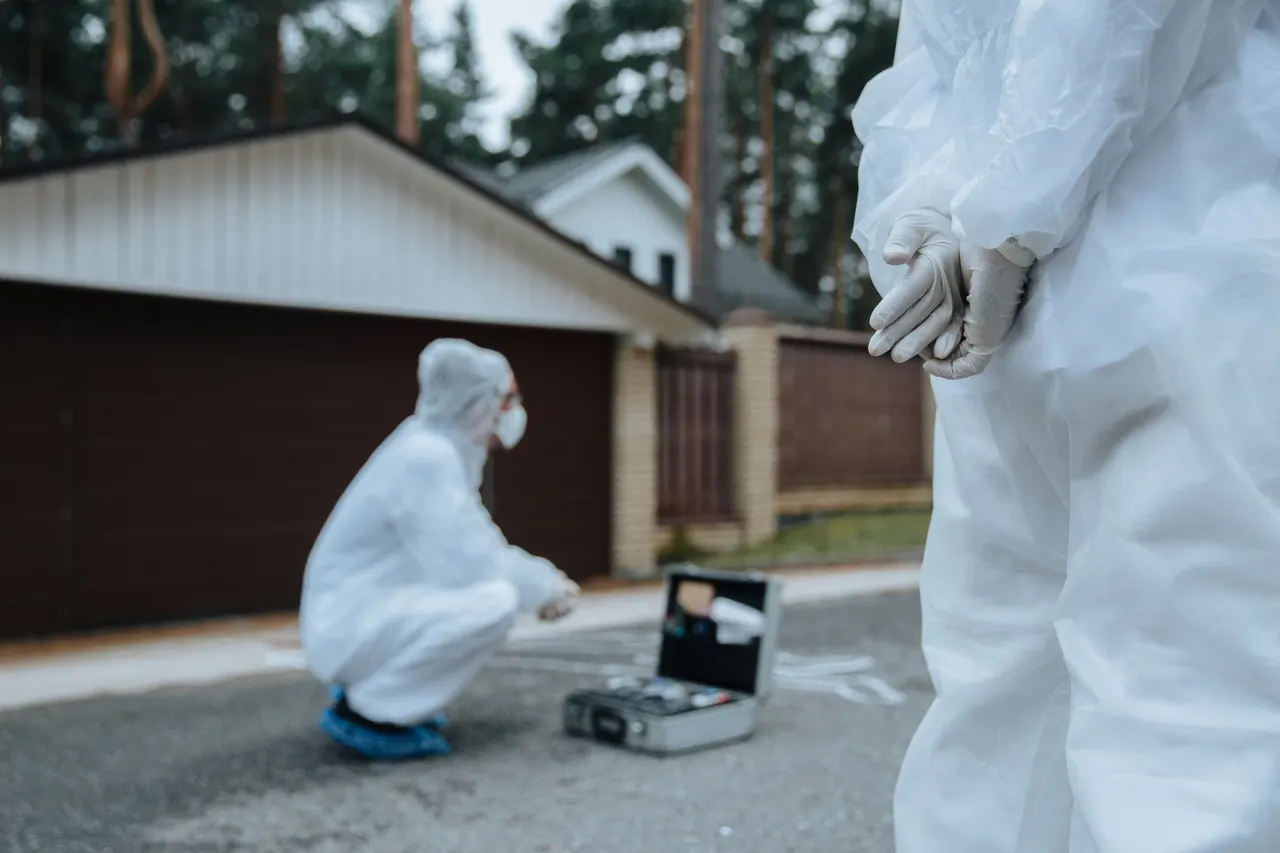
Gauge readings
Starting and ending pressure recorded on paper
Water Line Pressure Testing Princeton TX is how we prove whether the leak is under your slab, in a wall, or in the yard before anyone cuts concrete. We pressurize the line, watch the gauge, and use acoustic leak detection equipment to hear exactly where water is escaping. If you have a high water bill, a hot spot on the floor, or a meter that never stops spinning, call ClearSlab Solutions at +1 345 567 8766.
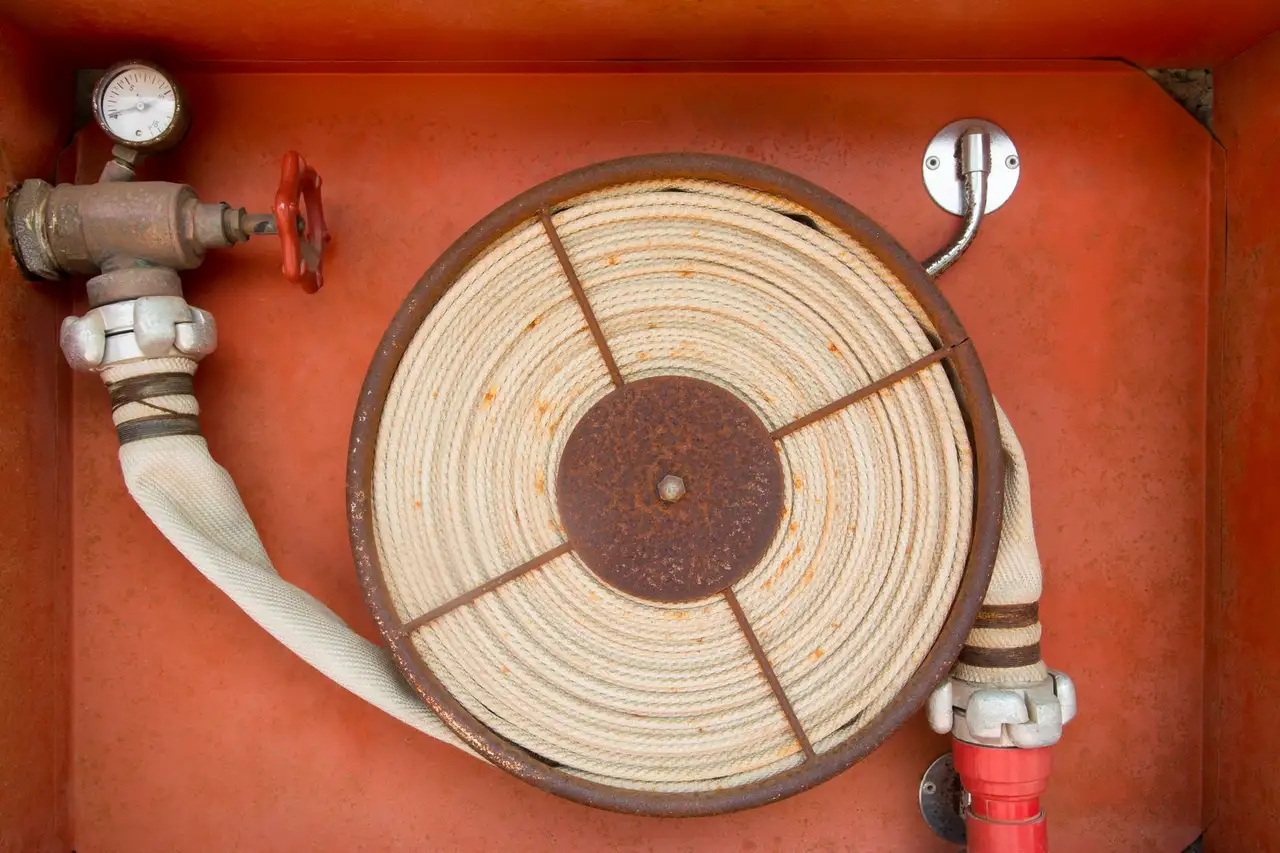
Every pressure test includes the full diagnostic sequence: meter check, system isolation, hydrostatic pressurization, and a written findings summary. If the test confirms a leak, we include acoustic and thermal localization in the same visit so you get a location, not just a yes-or-no answer. Repair work is quoted separately once we know what we are dealing with.


We test the water lines in your home to find hidden leaks before they damage your floors or foundation. Whether you have copper pipe or PEX tubing, we isolate the system and check whether it holds pressure.
We test water lines in commercial buildings and multi-unit properties to find leaks without disrupting tenants or shutting down operations. We schedule around your business hours and document every reading.
Water Line Pressure Testing Princeton TX is a controlled hydrostatic test that isolates your plumbing system, pressurizes it with a hydrostatic test pump, and measures whether the line holds pressure over a set period. We connect a pressure testing gauge to the system, bring it up to test pressure, shut the supply off, and watch. A line that drops pressure has a leak. From there we narrow it down with acoustic leak detection equipment, a thermal imaging camera, and a video pipe inspection camera to see inside the pipe itself.
Princeton homes on slab foundations deal with this constantly. Clay soil shifts with our wet springs and dry summers, and that movement stresses copper pipe and older PVC pipe until a pinhole becomes a water line leak. If you have searched water line pressure testing Princeton TX near me because your water bill jumped from $60 to $180, the test tells us in about two hours whether you are chasing a slab leak or a running toilet. We also serve commercial properties and rentals across Collin County.
We pressurize the line, watch the gauge, and find the leak before anyone cuts concrete.
Every job follows the same sequence. You know what is happening, what it costs, and what we found before we leave.
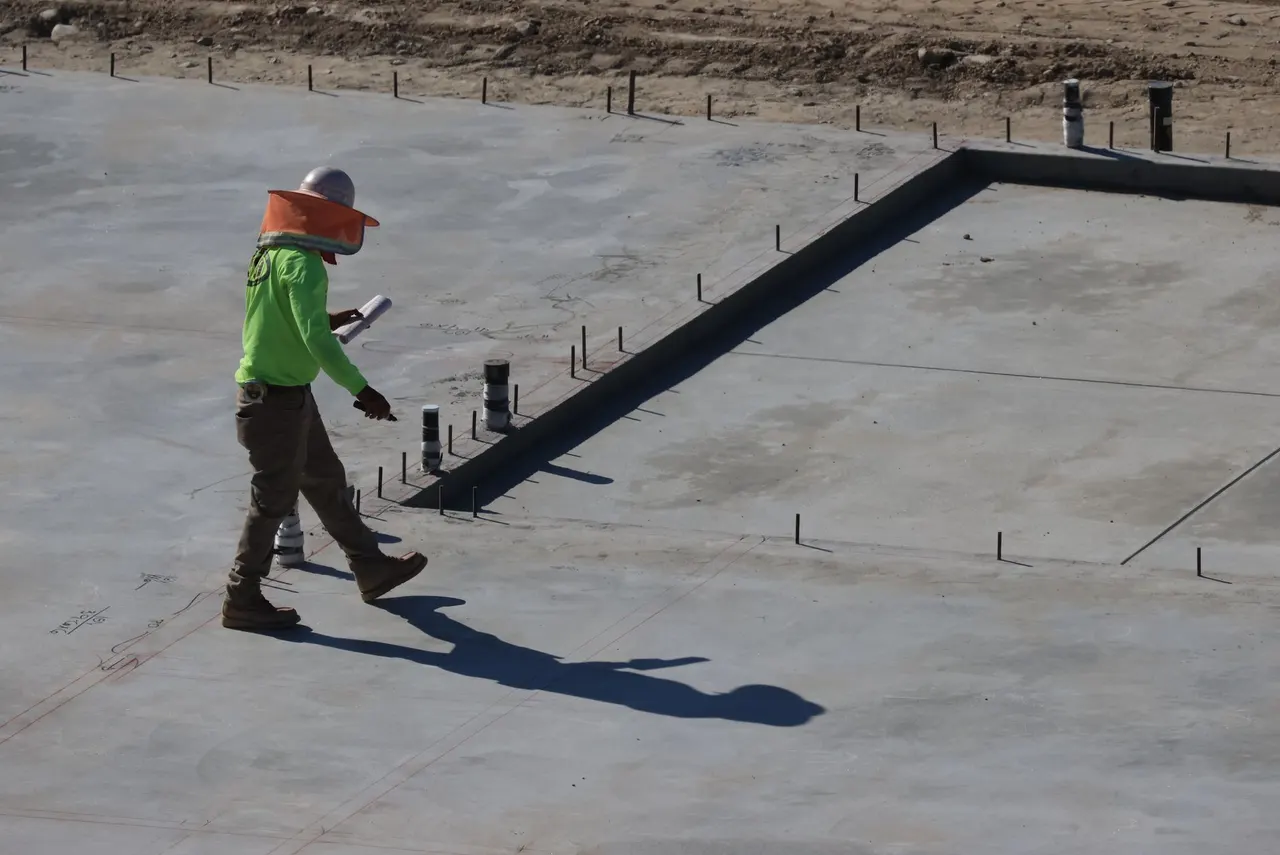
We start at the meter with every fixture in the house shut off. If the dial is still moving, water is escaping somewhere. This takes about 10 minutes and tells us whether we are dealing with a supply-side leak or a drain issue before we pressurize anything.
We isolate the domestic water system from irrigation, pool lines, and any other branch that could throw off the reading. A pipe locator and valve mapping confirm what we are actually testing. Skipping this step is why some tests give false positives.
A hydrostatic test pump brings the line up to test pressure, usually 50 to 80 psi depending on the system. We hold it and watch the pressure testing gauge. A drop of more than a few psi over 15 to 30 minutes confirms a leak. The whole test runs one to two hours.
Once we know there is a leak, we find it. Acoustic leak detection equipment picks up the hiss of escaping water. A thermal imaging camera shows temperature differences where hot water is bleeding into the slab. A video pipe inspection camera confirms pipe material and condition from the inside.
We walk you through what we found, show you the gauge readings, and lay out the repair options with pricing. If it is a spot repair, we schedule it. If the line is too far gone, we quote under-slab pipe replacement. You decide with real numbers in front of you.
Pressurizes the isolated water system to test pressure, usually 50-80 psi. This is the core piece of equipment for any pressure test.
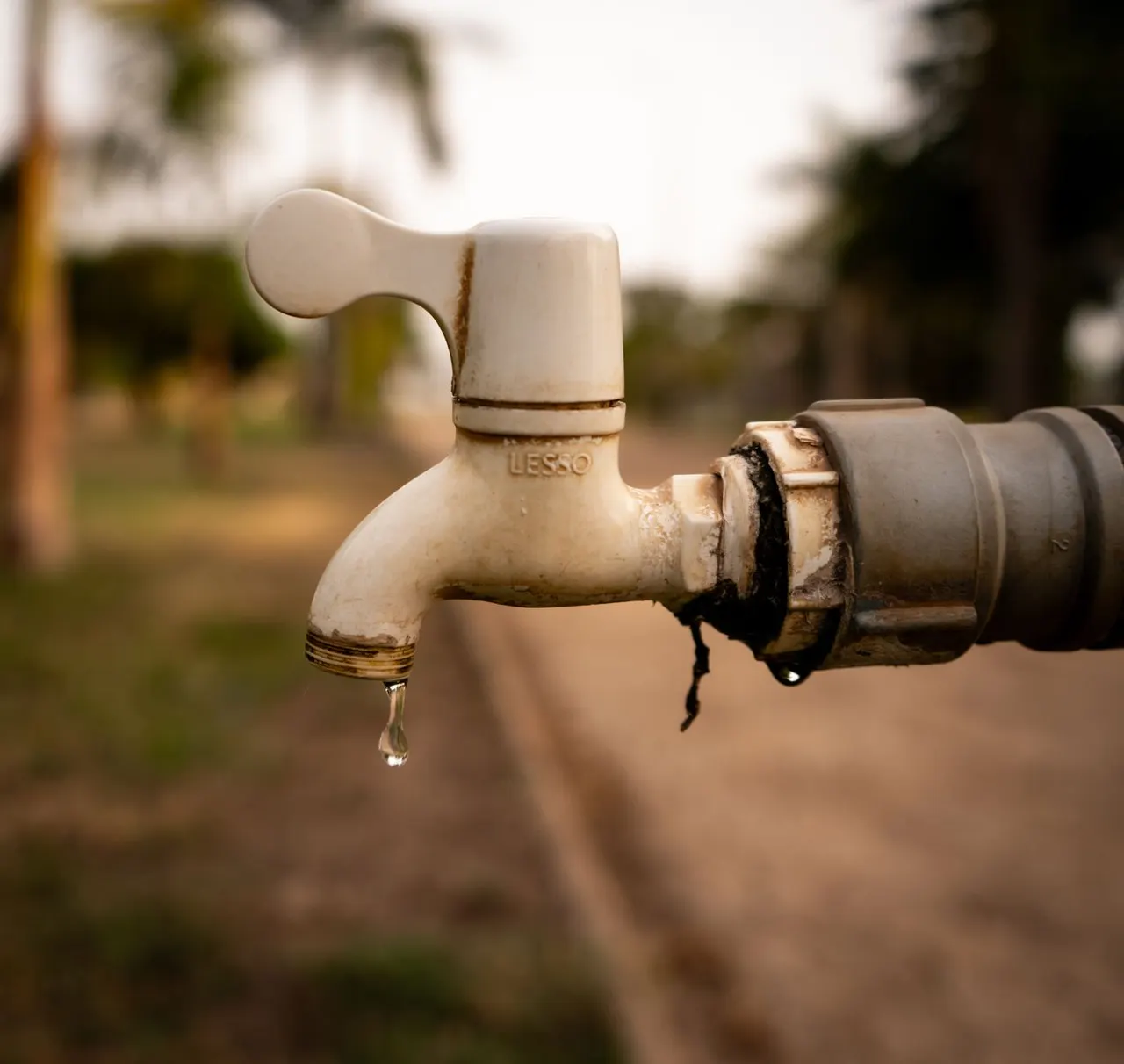
Calibrated gauge that shows whether the system holds pressure or loses it over the test period. We record starting and ending readings.
Sewerin and RIDGID listening gear that picks up the sound of water escaping under pressure. Used to narrow the leak location after the test confirms it.
Fluke thermal camera that shows temperature differences on the slab surface. Best for hot water line leaks where heat bleeds through the concrete.

General Pipe Cleaners camera that goes inside the pipe to show material, corrosion, and condition. Confirms whether a spot repair will hold.
Maps the underground pipe route so we know exactly what we are testing and where the line runs under the slab.

Confirms elevated moisture in flooring or baseboards, which supports the pressure test findings and helps rule out drain leaks.
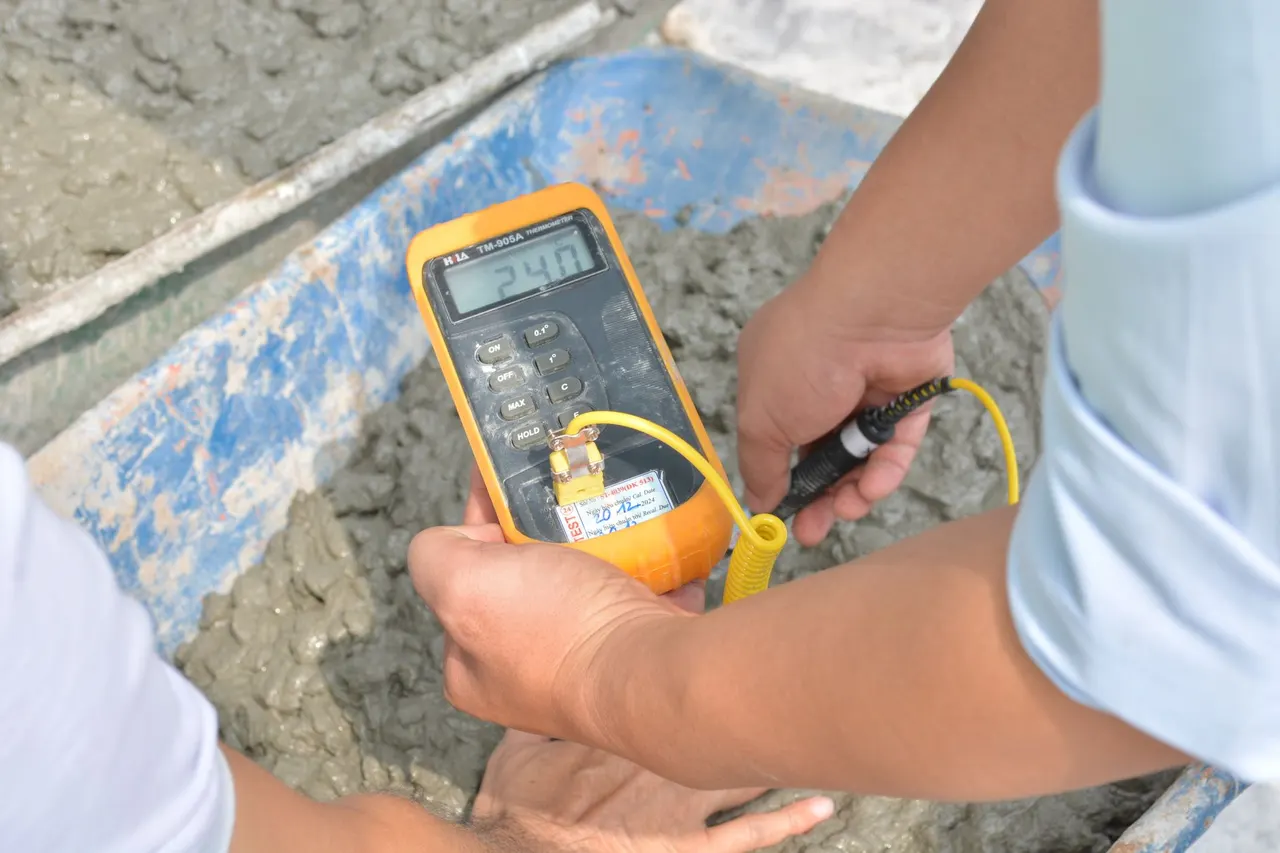
The standard method for confirming a supply-side leak. We isolate the system, pressurize it, and monitor the gauge. A drop of more than a few psi over 15-30 minutes confirms a leak. This is the first test we run on every call.
We run a full pressure test with all fixtures off. The gauge drops 12 psi in 20 minutes, confirming a supply leak. Acoustic equipment narrows it to the hallway slab. We quote a spot repair and fix it the next morning. The leak is repaired, the line holds pressure, and the next water bill drops back to the normal $65-$80 range.
We test the full system, document the gauge readings, and note the pipe material and condition. The test holds pressure, so we provide a clean report showing no supply-side leak at the time of inspection. The buyer gets documentation, the seller avoids a last-minute repair negotiation, and the closing stays on schedule.
Pressure testing confirms a hot water line leak. Thermal imaging marks the location within 18 inches. We open a small access point, repair the copper pipe, and re-test before closing. The tenant stays in the unit, the repair is done in one day, and the owner avoids a full floor replacement.
We pressure test the line and find it is losing pressure in two separate locations. That tells us the pipe is failing in multiple spots, so we quote under-slab pipe replacement with PEX tubing instead of another patch. The failing copper run is replaced with new PEX, pressure tested, and the homeowner stops paying for repeat repairs on the same line.
Princeton sits on expansive clay soil that swells when wet and shrinks when dry. That movement is hard on under-slab plumbing, especially in older neighborhoods where original copper pipe has been in the ground for 30-plus years. We see a spike in calls after the first hard freeze in January and again in late summer when the soil pulls away from foundations. Most of the slab leaks we find in Princeton are pinhole failures in copper, though newer builds with PEX tubing sometimes have fitting failures instead. Collin County code requires pressure testing after any under-slab repair, and we follow that on every job. If you are searching for emergency water line pressure testing Princeton TX 24/7 because water is pooling in a room, shut off the main at the meter first, then call us. We prioritize active leaks and can usually have a technician on site the same day.
A homeowner in Park Trails had a water bill that climbed from $72 to $215 over three months. No visible leak, no running toilet, no explanation. The meter dial was spinning with everything off.
Pressure testing confirmed a 15 psi drop in 20 minutes. Acoustic equipment located a pinhole in the hot water copper line under the hallway. We repaired the section, re-tested, and the line held at 75 psi. The next bill came in at $68.
We recommended checking the meter once a month with all fixtures off. If the dial moves, call us before the bill climbs again.
A homeowner in Abbey Crossing noticed a warm spot on the kitchen tile that grew from the size of a dinner plate to a full square over six weeks. The floor was hot to the touch in the afternoons.
Thermal imaging showed the hot water line bleeding heat into the slab. Pressure testing confirmed the leak. We cut one 24-inch access point, repaired the PEX fitting, and re-tested at 80 psi. The floor cooled within 24 hours.
We told the homeowner to watch for any new warm spots and to keep the water pressure regulator under 80 psi to reduce stress on the fittings.
A homeowner in Monte Carlo Subdivision had a slab leak repaired two years ago. The water bill started climbing again, and a second plumber quoted another spot repair on the same line.
Our pressure test showed the line losing pressure in two separate locations. That told us the copper was failing in multiple spots. We replaced the full under-slab run with PEX tubing and pressure tested the new line at 80 psi before backfilling.
We suggested an annual pressure check for the first two years after replacement to confirm the new line is holding and to catch any fitting issues early.
Most Princeton homeowners call us because something is wrong and they cannot see it. Pressure testing turns a vague symptom into a specific diagnosis.
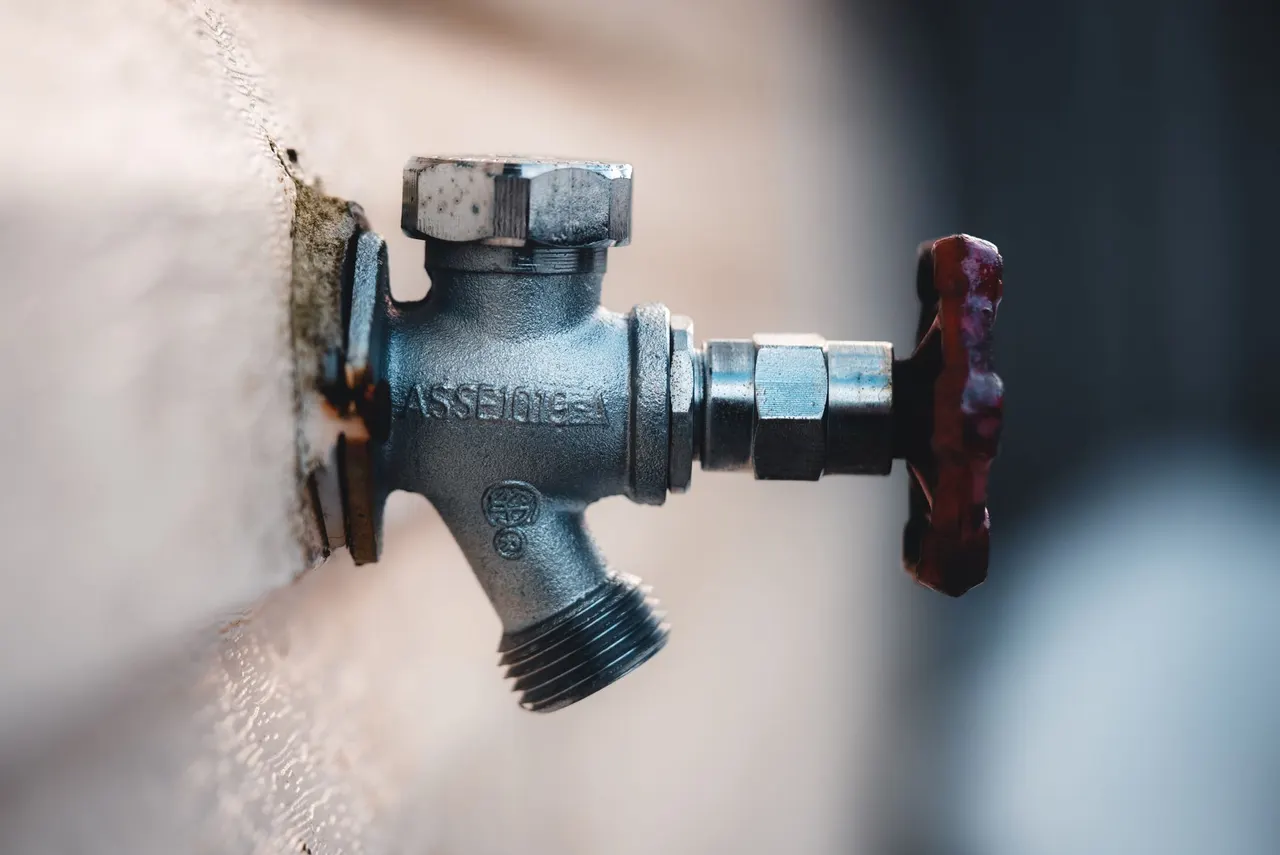
We run a pressure test to confirm the leak is on the supply side, then use acoustic equipment to find it. Most high-bill leaks we find in Princeton are pinhole failures in copper pipe under the slab, repairable with a spot fix in one day. A silent supply-line leak wastes 2,000 to 10,000 gallons a month and keeps climbing until the line is repaired or fails completely.
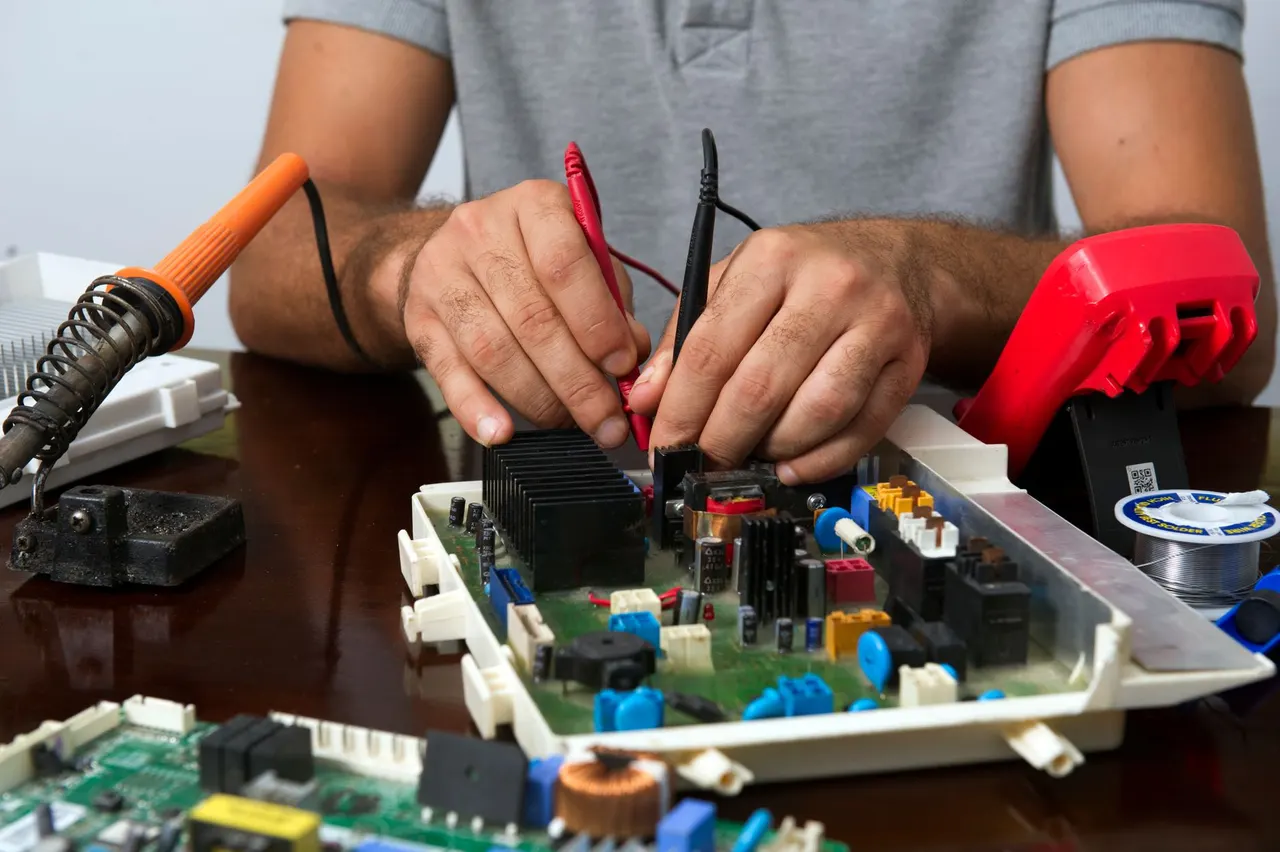
Thermal imaging paired with pressure testing confirms the leak and marks the location. We repair the failed section of pipe and re-test the line before closing the access point. A hot water line leak under the slab bleeds heat into the concrete. Left alone, it erodes the soil under the foundation and can lead to cracked slab and shifting floors.

We isolate the system and pressure test to confirm the leak is real, then use a pipe locator and video inspection to identify the pipe material and condition. You get a repair plan, not a guess. That sound is water escaping under pressure. It can run for months before showing up as a visible problem, and by then the soil under the slab has already moved.

A meter check plus hydrostatic test tells us whether the leak is inside the house or in the yard line. We test both sides and tell you exactly which one is losing pressure. This is the clearest sign of a supply-side leak. It means water is leaving the system somewhere between the meter and your fixtures, and it is costing you money every hour.
A pressure test narrows the leak to a specific run of pipe before anyone touches your floor. We combine the gauge reading with acoustic leak detection equipment and a thermal imaging camera to mark the spot. That means one small access cut instead of jackhammering half a room, and it keeps affordable water line pressure testing in Princeton Texas genuinely affordable.
An under slab leak rarely announces itself. You get a warm spot on the tile, a faint sound of running water at 2 a.m., or a water bill that climbs $40 to $120 a month. Testing catches it while the pipe is still repairable with a spot fix rather than a full under-slab pipe replacement.
Water escaping under a slab softens and shifts the soil beneath it. Left alone for a season, that movement shows up as cracked slab, sticking doors, and cracked drywall. Testing and repairing the line stops the water source, which is the only way to stop the foundation movement that follows it.
We record starting pressure, test pressure, and how long the system held it. You get the numbers in writing, which matters if you are filing an insurance claim or selling the house. It also gives us a baseline to compare against if you ever call us back for water pressure testing Princeton TX on the same property.
Clear records you can keep and share.
Starting and ending pressure recorded on paper
Marked area on the floor or wall
Spot repair, reroute, or replacement pricing
A visual inspection only shows what is on the surface. Pressure testing shows what is happening inside the pipe, under the slab, and behind the walls where you cannot see.
Pressure testing isolates the supply system. If the line holds pressure, the leak is on the drain side. That single distinction changes the entire repair approach and cost.
A line that drops pressure in one spot may have a single pinhole. A line that drops in multiple spots is failing along its length. The test pattern tells us which one you have.
Combining the pressure test with a video pipe inspection shows corrosion and scale inside the pipe. That tells us whether a spot repair will hold or whether replacement is the better long-term call.
Outside these areas? Call and ask if we cover your street. +1 345 567 8766
We isolate your domestic water system, pressurize it to 50-80 psi with a hydrostatic test pump, and watch a pressure testing gauge for 15-30 minutes. If the line loses more than a few psi with all fixtures off, there is a leak. From there we use acoustic leak detection equipment and a thermal imaging camera to pinpoint the location. The full test takes one to two hours.
Standard residential pressure testing runs $185 to $350 in 2026, depending on system size and how many branches we have to isolate. If we combine it with acoustic leak detection or thermal imaging, expect $250 to $450. The test fee is separate from any repair. We quote the test price before we start so there is no surprise on the invoice.
Yes, if you want to avoid exploratory demolition. A pressure test confirms whether the leak is on the supply side before anyone cuts concrete. Without it, you are guessing between a slab leak, a drain leak, and a running toilet. We have seen homeowners spend $2,000 on unnecessary concrete work because nobody ran a $185 pressure test first.
We use a hydrostatic test pump, a calibrated pressure testing gauge, and a pipe locator to map the system. For localization we bring RIDGID and Sewerin acoustic leak detection equipment, a Fluke thermal imaging camera, a moisture meter, and a General Pipe Cleaners video pipe inspection camera. That combination lets us confirm the leak and see the pipe condition from the inside.
If your water bill jumped, your meter is spinning with everything off, or you have a warm spot on the floor, call us. We test the line, show you the numbers, and tell you what it needs. Call +1 345 567 8766 or book online.
Call us at +1 345 567 8766 or email info@clearslabsolutions.com. We answer the phone during business hours and return after-hours messages first thing the next morning. Most Princeton jobs get a same-day or next-day arrival window. If you have a water bill in hand, have it ready.