Written summary
Repair location, material, and test result
Under Slab Leak Repair Princeton TX starts with finding the exact break before we cut concrete. Our techs use acoustic leak detection equipment and thermal imaging cameras to pinpoint the leak, then reroute or replace the line with copper pipe or PEX tubing. If your water bill spiked and your floor feels warm, call ClearSlab Solutions.

Every job starts with detection and ends with a pressure test. Here is what is covered in a standard Under Slab Leak Repair Princeton TX visit, and what we quote separately if your situation calls for it.
We repair under-slab water lines in Princeton homes without tearing up the whole floor. You get detection, a small access cut, a tested repair, and a level patch.
We work around your operating hours to repair under-slab lines in Princeton commercial buildings. You get a documented repair and a pressure test before we patch the slab.
Under Slab Leak Repair Princeton TX is the process of locating a pressurized water line leak beneath your foundation, exposing the failed section, and restoring it with code-correct materials. We start with electronic leak detection systems and a pressure testing gauge to confirm the line is losing water. Then we use a video pipe inspection camera to see the break, mark the slab, and cut only where needed. Most residential repairs take two to four hours once the leak is pinpointed.
Princeton sits on expansive clay soil that swells after heavy rain and shrinks in summer drought, and that movement stresses copper pipe under slab. Homes in Abbey Crossing and Princeton West Meadows built in the 1990s and 2000s often see pipe corrosion at fittings first. If you search for under slab leak repair Princeton TX near me after a high water bill, we can hydrostatic test the line and tell you whether a spot repair or a full under-slab pipe replacement is the smarter call.
Find the leak first, cut once, and test before the concrete goes back.
You should know exactly what happens from the first phone call to the final pressure test. Here are the five steps we follow on every Princeton job.
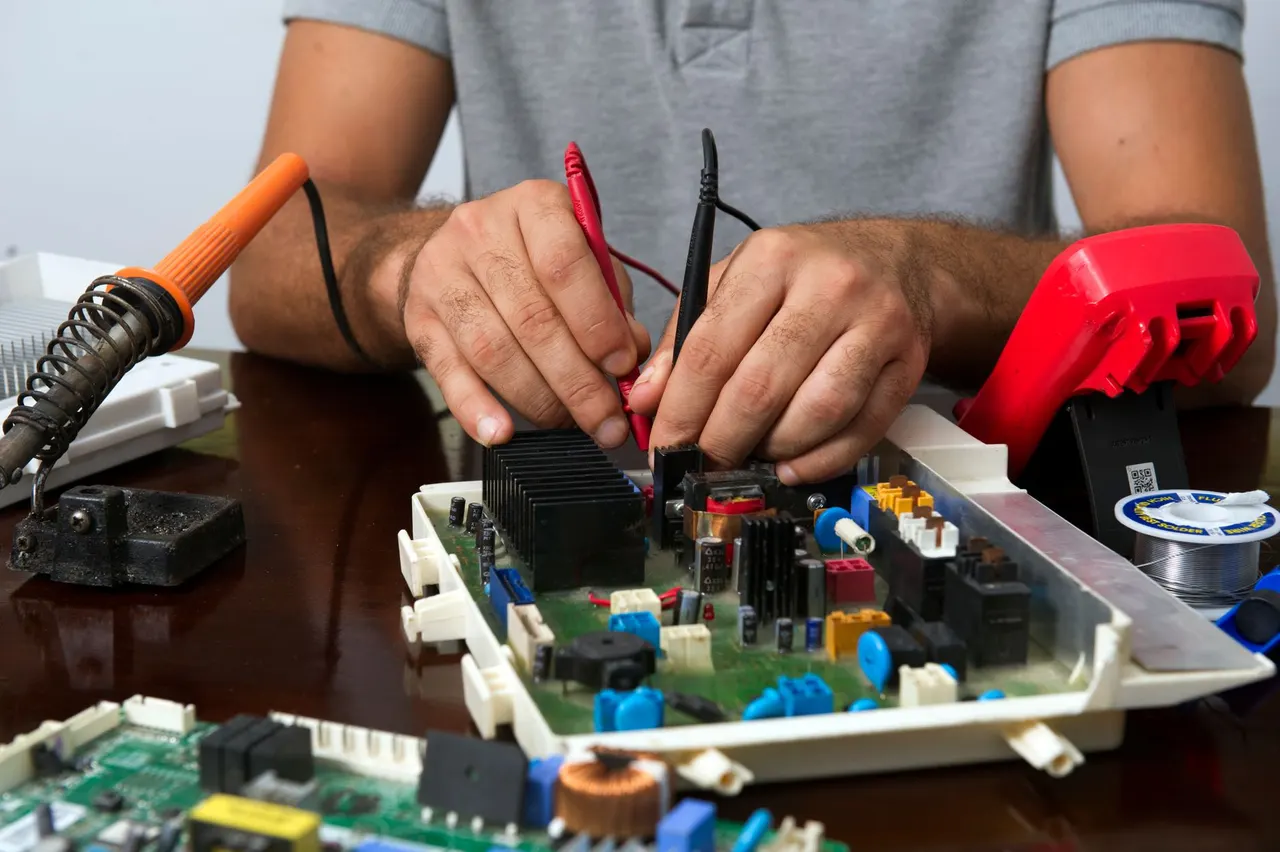
We ask about your water bill, hot spots on the floor, and whether the meter spins with all fixtures off. That tells us if it is a pressurized line or a drain leak. We schedule a same-day or next-morning visit, usually within a two-hour window.

Our tech walks the slab with a Sewerin acoustic listening device and a Fluke thermal imaging camera. We pressurize the line with a hydrostatic test pump and watch the gauge. Within 30 to 45 minutes we know the leak location and the pipe material.

We mark the slab with paint, show you the thermal image, and explain whether a spot repair, reroute, or full replacement is best. You get a flat price before any concrete is cut. No surprise charges when the job is done.
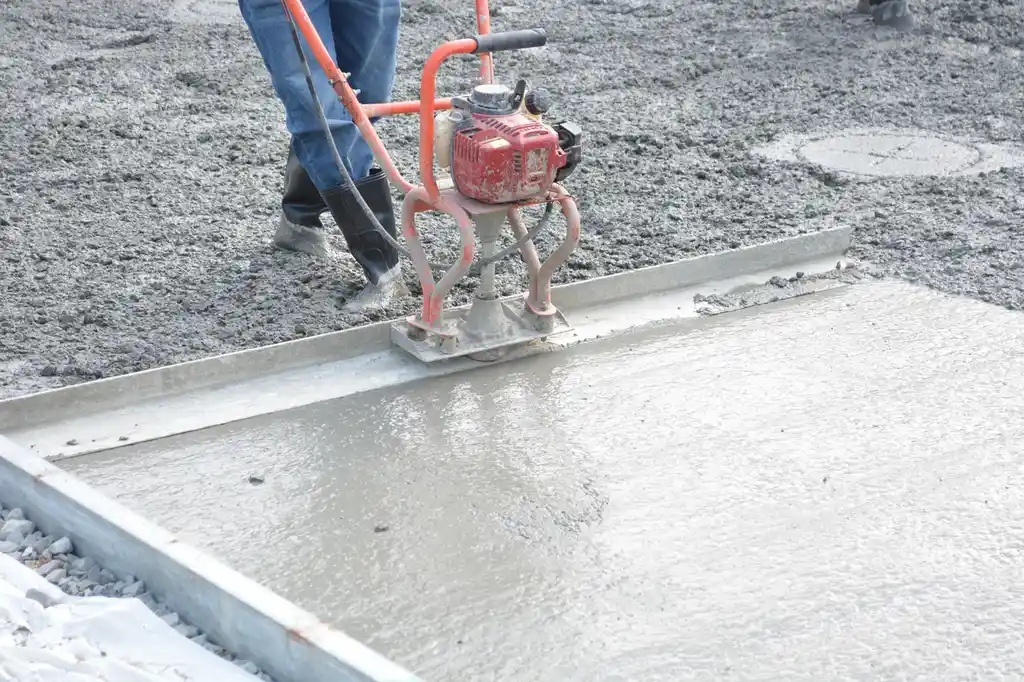
We cut a small access point, expose the pipe, and repair with copper or PEX tubing depending on what matches your system. After the fix we pressure-test at 80 psi for 30 minutes. If it holds, we backfill and patch the concrete.
We run every fixture, check the meter one last time, and hand you a written summary of what was repaired and where. You also get photos of the repair before the concrete went back. If anything looks off in the next 30 days, call us.
Listens for the sound of pressurized water escaping a pipe under the slab and narrows the leak to a small area.

Shows temperature differences on the floor so we can spot hot water line leaks and confirm the acoustic findings.

Lets us see inside the line to check for corrosion, scale, and the exact break before we cut concrete.
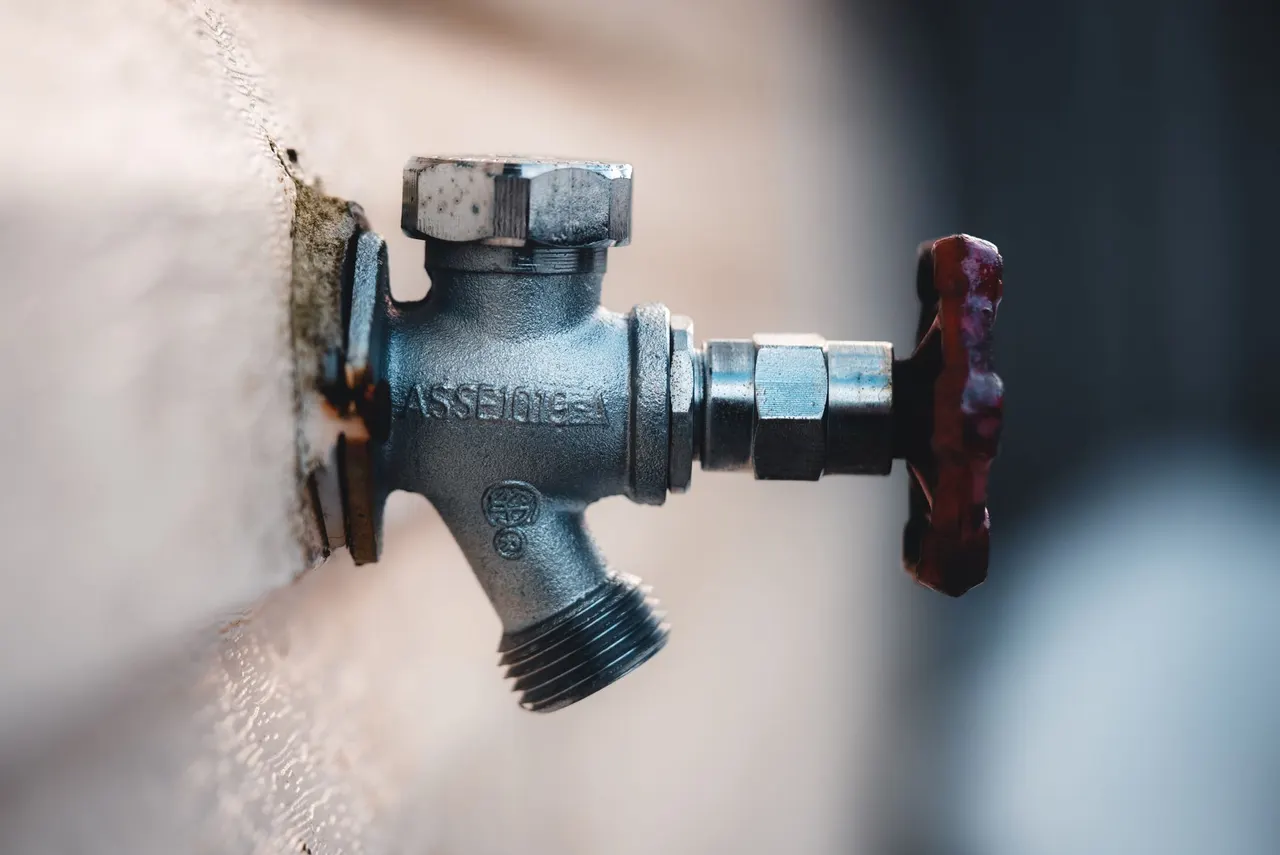
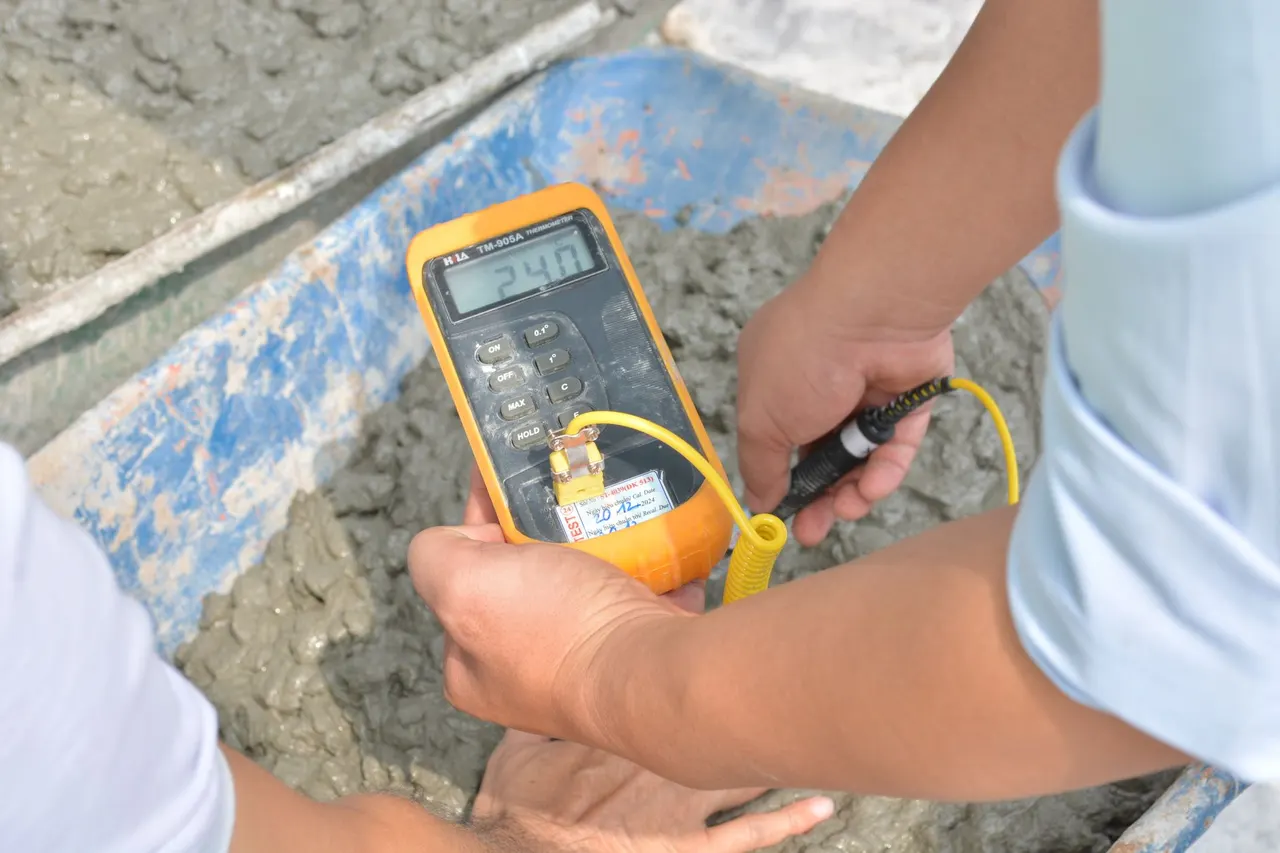
Pressurizes the line to confirm the leak before repair and to verify the fix holds at 80 psi afterward.

Traces the path of the under-slab line so we know where to cut and where to avoid.

Cut a clean, small access point in the slab with controlled dust and minimal damage to surrounding flooring.
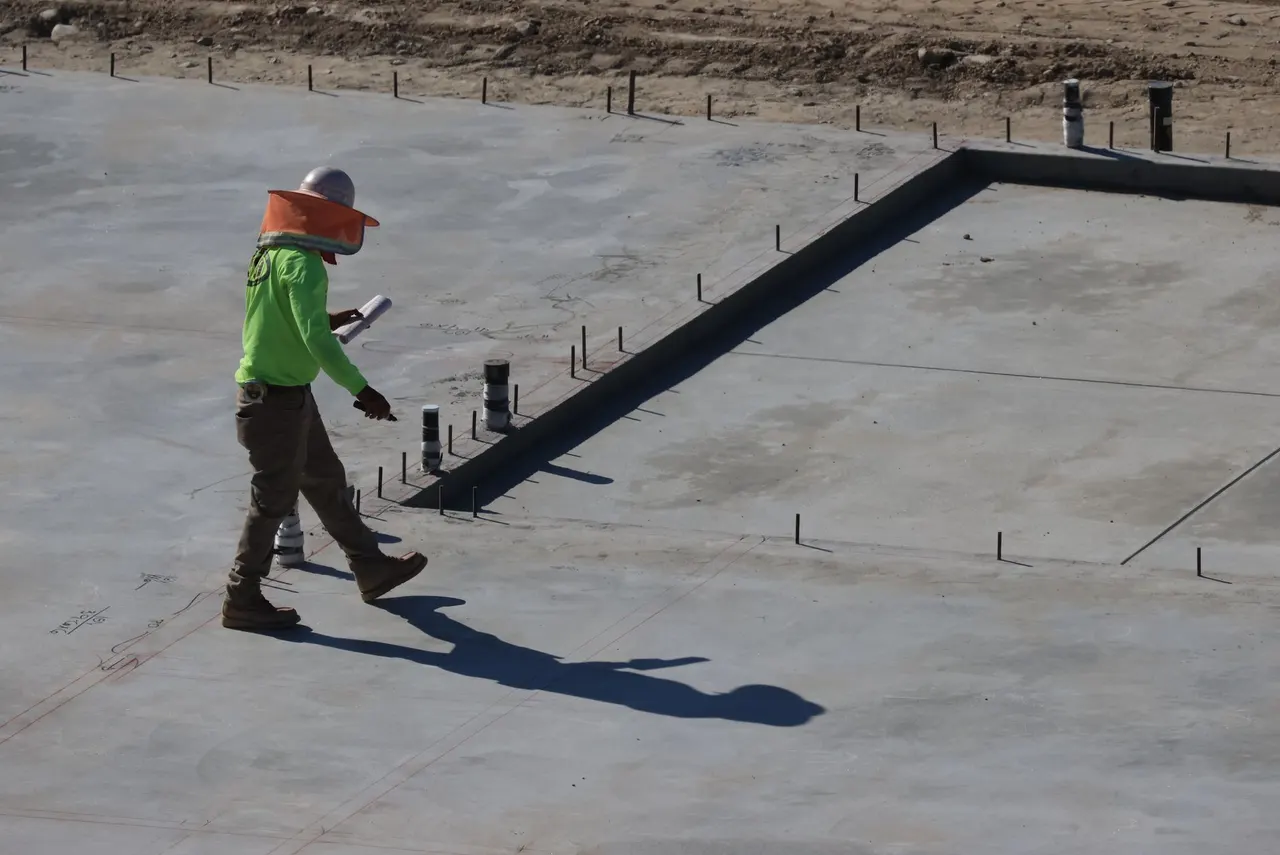
Checks the slab and surrounding soil after the repair to confirm the area is drying and the leak has stopped.

We never trust one tool alone. Acoustic gear finds the sound, thermal imaging confirms the heat signature, and the two together narrow the cut to a 2-foot area on most Princeton jobs.
We run acoustic detection and a hydrostatic test, find a pinhole leak in the copper line under the hallway, and repair it with a copper coupling. The cut is one 2-foot square. The leak is fixed the same day, the bill drops back to normal, and the homeowner avoids a foundation repair.
Thermal imaging confirms a hot water line leak. We reroute the line through the attic to avoid cutting the bathroom slab again, and pressure-test the new run. The tenant stays in place, the warm spot is gone, and the landlord has a repair that will not fail in the same spot.
We detect a slab leak near the kitchen line, repair it, and use a moisture meter to track the slab drying over the next two weeks. The leak stops, the soil stabilizes, and the tile cracks stop spreading. They get photos and a report for their insurance file.
We roll a truck, shut down the main, and isolate the leaking line. The next morning we return to do the full repair and pressure test. The emergency is contained overnight and the repair is finished the next day with no further water damage.
Princeton sits on Blackland Prairie clay that expands when wet and shrinks hard in summer. That cycle flexes the slab and stresses copper pipe at fittings, which is why we see so many under slab leak repair calls in older neighborhoods like Monte Carlo Subdivision and Abbey Crossing. Homes built in the 1990s and early 2000s often have original copper lines nearing the end of their service life. Newer builds in Trails at Riverstone and Princeton West Meadows use PEX tubing, which handles movement better but still fails at crimp fittings. Collin County requires a permit for slab penetration, and we pull it before we cut. If you need emergency under slab leak repair Princeton TX 24/7, we can shut the line down overnight and finish the repair the next morning. Our trucks carry detection gear and repair materials so we are not making supply runs mid-job.
A homeowner had a $215 water bill and heard water running at night. The hallway floor was slightly warm. We found a pinhole leak in a copper line under the slab with acoustic gear and confirmed it with a hydrostatic test.
We cut one 2-foot access point, repaired the copper with a coupling, and pressure-tested at 80 psi for 30 minutes. The patch was level and the bill dropped to $62 the next cycle.
Keep an eye on the water meter with all fixtures off once a month. If the low-flow dial moves, call us before the leak gets bigger.
A warm spot on the kitchen floor had been growing for weeks. Thermal imaging showed a hot water line leak under the slab. The surrounding copper was too corroded for a reliable spot repair.
We rerouted the hot water line through the attic with PEX tubing and Uponor fittings. The warm spot disappeared, and the water heater stopped running constantly. Job took a day and a half.
Check the attic run once a year for any signs of moisture at the fittings. Keep the area around the new line clear of stored items.
A homeowner called at 1 a.m. with water pooling at the baseboard in the laundry room. The main was shut down but the line was still losing pressure. We isolated the leaking under-slab line that night.
The next morning we cut a small access point, replaced the failed section with copper, and pressure-tested at 80 psi. The concrete patch was done by early afternoon. No flooring replacement was needed.
Watch for any new warm spots or unexplained bill increases. A monthly meter check catches most new leaks early.
Most Princeton homeowners call us after they notice one of these warning signs. Each one points to a pressurized line losing water under the slab, and each one gets worse with time.
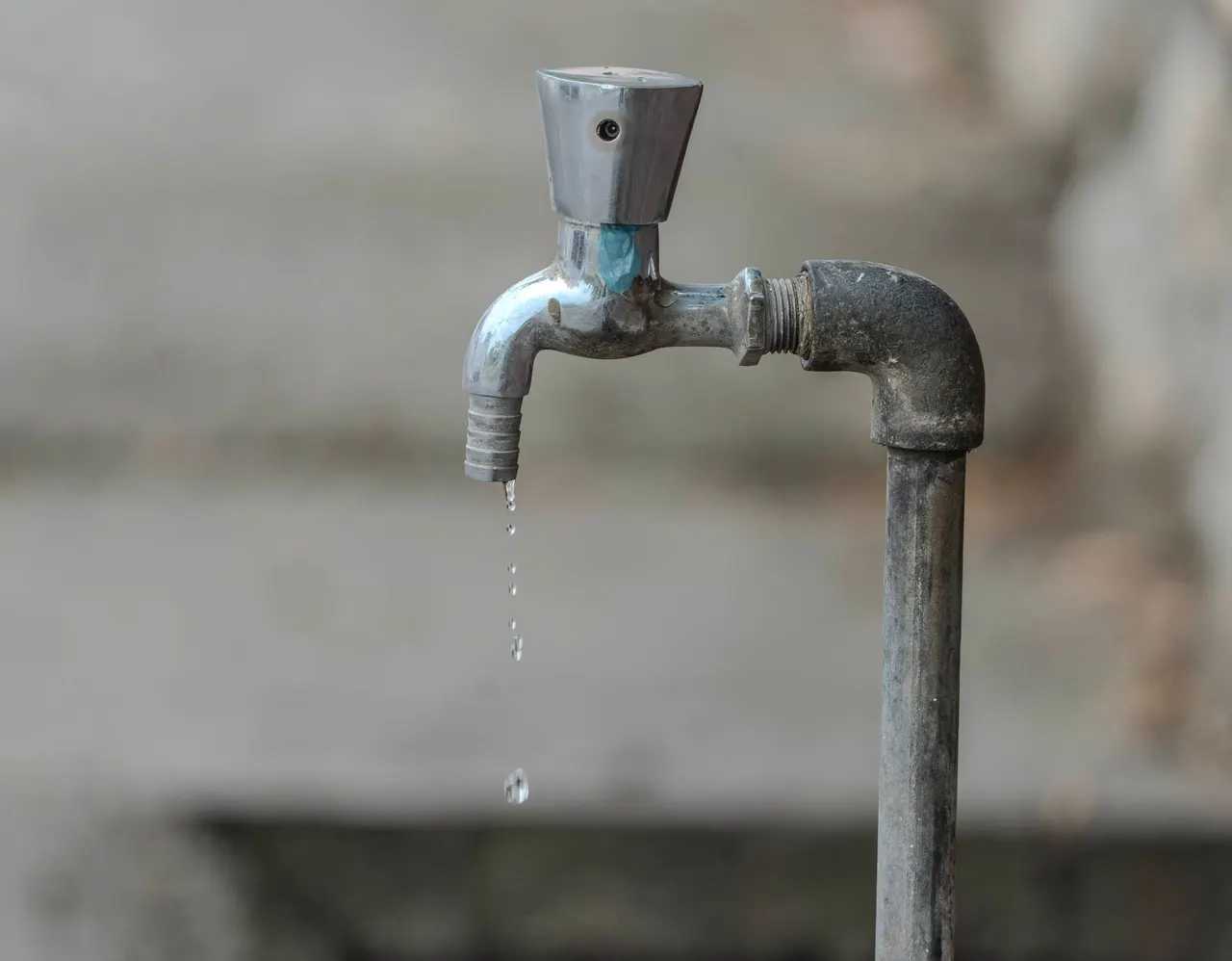
We isolate the line with a pressure testing gauge, find the leak with acoustic gear, and repair the failed section. Most customers see the bill return to normal the next billing cycle. A pinhole leak can waste thousands of gallons a month and quietly drive your bill up for several cycles before you notice.
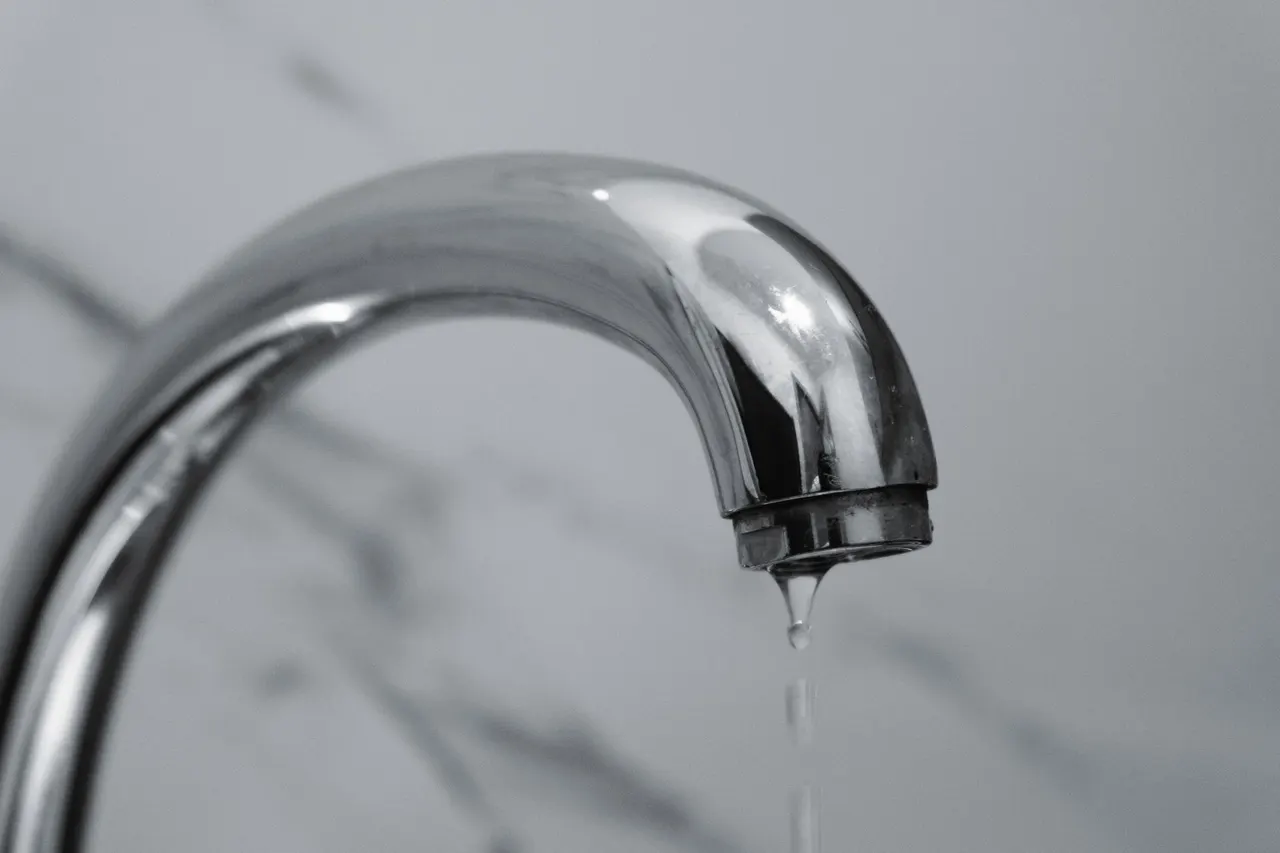
A thermal imaging camera shows the exact hot spot. We cut one small access point, repair the hot water line, and pressure-test it before patching the concrete. A hot water line leak heats the slab from below. Left alone, it warps flooring and keeps the water heater running constantly.
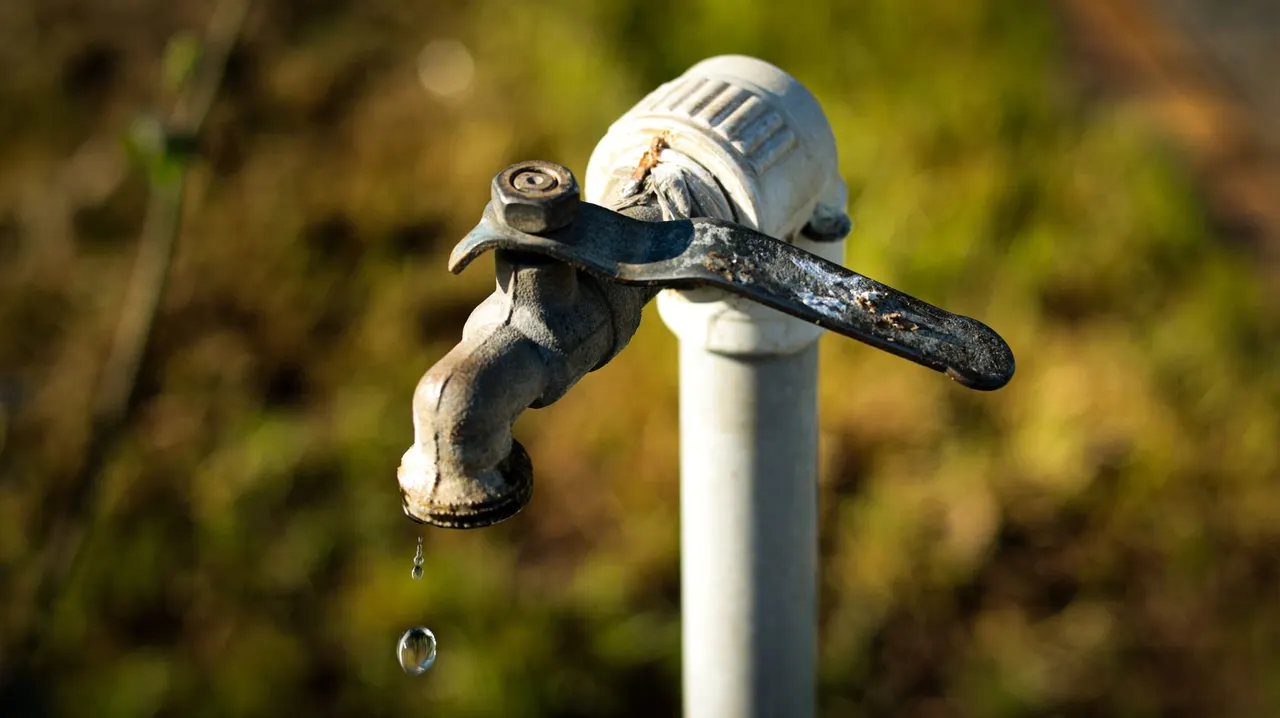
Acoustic leak detection narrows the sound to a small area. We repair the pipe, confirm with a hydrostatic test, and use a moisture meter to check the slab is drying. That hiss is pressurized water escaping under the slab. It erodes soil and can lead to foundation movement within months.
We fix the water source first, then document the slab condition with photos. Once the leak is stopped, the soil can stabilize and further movement usually stops. Water under the slab softens soil and lets the foundation shift. Cracks in tile and drywall are often the first visible sign of a slab leak.
A pinhole leak in a copper line can waste 10,000 gallons a month. We isolate the line, repair or reroute it, and pressure-test at 80 psi before we close anything up. Your next Princeton water bill should look normal again.
Water under a slab softens the soil and causes foundation movement. We fix the source, then use a moisture meter to confirm the slab is drying. Catching it early saves you from cracked slab repairs that cost five figures.
We do not jackhammer the whole floor. Acoustic and thermal tools narrow the leak to a 2-foot area, so we cut one small access point. Most homeowners are back to normal routine the same day.
Sometimes a spot repair with SharkBite fittings is all you need. Other times the pipe is too corroded and rerouting through the attic makes more sense. We show you both options with real numbers before we start.
Clear records you can keep and share.
Repair location, material, and test result
Images taken before the concrete patch
80 psi held for 30 minutes
A slab leak is a pressurized water line losing water under your foundation. It does not stop on its own, and the water keeps moving through the soil until the line is repaired.
Hot water line leaks warm the floor above them. Cold water line leaks usually show up as a high bill or a running water sound. The detection approach differs for each.
A spot repair works when the pipe around the leak is still solid. If the camera shows corrosion along the line, patching one spot just moves the next failure down the pipe.
Rerouting moves the line out of the slab and into the attic or walls. It costs more up front but removes the pipe from the soil movement that caused the leak.

Outside these areas? Call and ask if we cover your street. +1 345 567 8766
Most under slab leak repair in Princeton TX runs $1,200 to $4,500 in 2026, depending on access and pipe condition. A simple spot repair on an exposed copper line can land near the low end. A reroute through the attic or a full under-slab pipe replacement pushes toward the high end.
A standard spot repair takes four to six hours from arrival to final pressure test. Detection is 30 to 45 minutes, the concrete cut and pipe repair is two to three hours, and the patch and cleanup adds another hour. Reroutes and full replacements can run one to two days. We tell you the timeline before we start.
No. More importantly, you need acoustic and thermal tools to find the leak without cutting the wrong spot. Homeowner attempts usually mean a bigger concrete cut and a higher final bill.
The main causes are pipe corrosion, foundation movement, and abrasive soil. Princeton sits on expansive clay that shifts with wet and dry cycles, and that flexing cracks copper pipe at fittings and elbows. Older homes in Monte Carlo Subdivision see corrosion from decades of hard water. A pressure testing gauge and video pipe inspection camera confirm the cause before we quote the repair.
We answer the phone, ask the right questions, and get a tech to your door. Detection and repair under one roof, with a flat price before we cut concrete. Call ClearSlab Solutions at +1 345 567 8766.
Call us at +1 345 567 8766 or email info@clearslabsolutions.com. We answer the phone during business hours and return after-hours messages first thing the next morning. Most Princeton jobs get a same-day or next-day arrival window. If you have a water bill in hand, have it ready.