Marked floor plan
Leak zone marked on a printed plan.
Thermal Imaging Leak Detection Princeton TX uses infrared cameras to spot temperature differences under your slab, showing exactly where water is escaping. If your water bill jumped or a warm spot appeared on the floor, we find the source without tearing up your whole house. We serve homeowners across Princeton, Texas and Collin County with same-day diagnostics and honest repair options.

Every scan includes the full diagnostic set, not just a camera pass. We combine infrared, moisture, acoustic, and pressure testing so the finding holds up before any concrete is opened. Repair work is quoted separately once the leak is confirmed.


We scan your floors with an infrared camera to find where water is moving under the slab. You get a marked location and a repair plan before any concrete is opened.
We locate under-slab leaks in commercial buildings without shutting down your whole operation. Scans are scheduled around your business hours to limit disruption.
Thermal Imaging Leak Detection Princeton TX is an infrared diagnostic that reads surface temperature across your floors to reveal where water is moving under the slab. Wet concrete and soil hold heat differently than dry material, so a thermal imaging camera shows the leak as a distinct warm or cool pattern. We scan room by room, mark the anomaly, then confirm it with a moisture meter and pressure testing gauge before anyone picks up a jackhammer.
Princeton sits on expansive clay soil that swells after heavy rain and shrinks through dry summers, and that movement stresses copper pipe and PEX tubing under slab. A pinhole leak can run for weeks before you notice a high water bill or hot spots on the floor. That is why homeowners in Princeton Texas call us for thermal imaging slab leak detection Princeton Texas, and why we pair the camera with acoustic listening and a video pipe inspection camera to confirm the exact pipe.
We scan first, confirm with pressure, and cut only where the leak is.
We follow the same five steps on every call, whether it is a single-family home in Abbey Crossing or a rental property near downtown Princeton. You get a clear explanation at each stage and a written summary when we finish.

You describe the symptoms: high water bill, warm floor, sound of running water with everything off. We ask about your slab type and any past plumbing work, then schedule a visit. Most Princeton calls get a same-day or next-morning appointment.
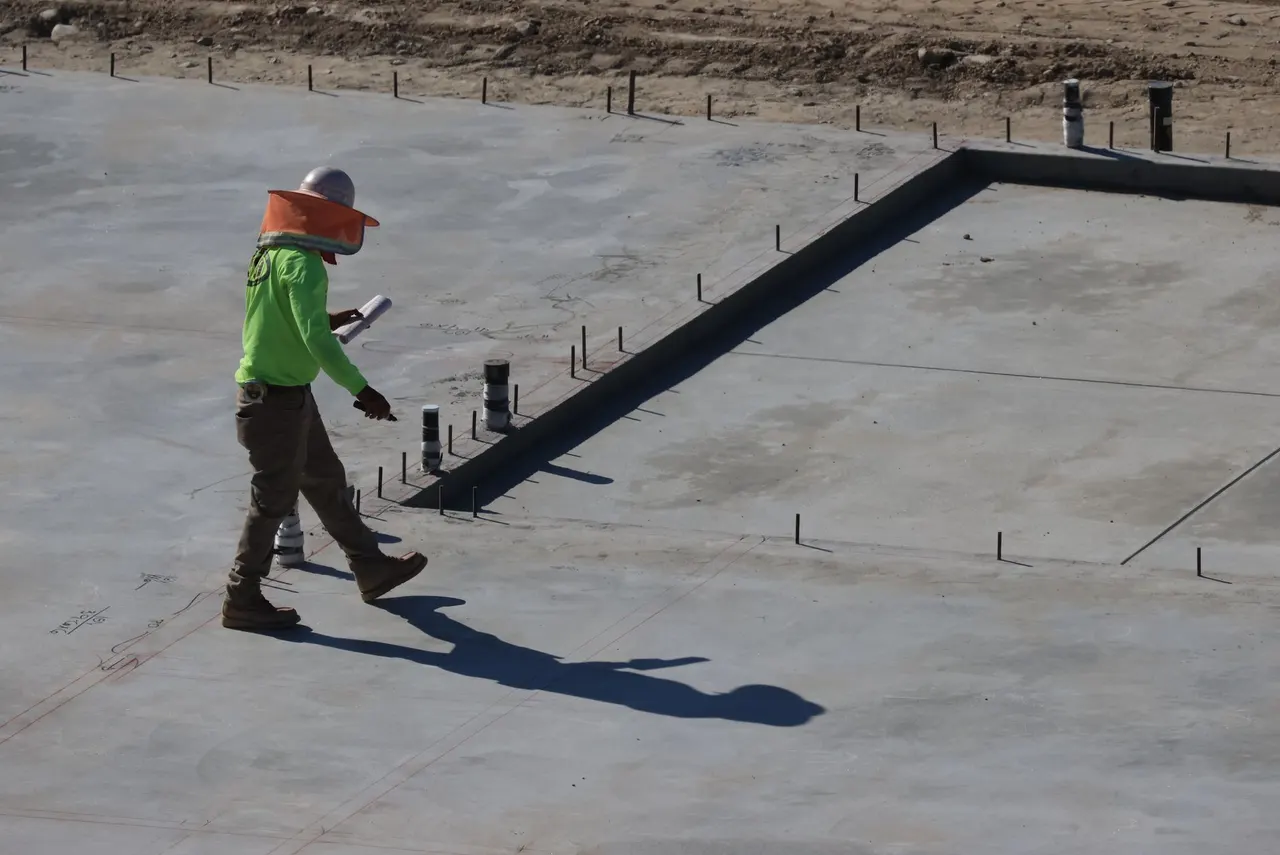
We walk the interior with a thermal imaging camera and record temperature across each room. The camera shows wet zones as warmer or cooler bands compared to dry slab. This step takes 20 to 30 minutes on a typical 1,800 square foot home.
We verify the thermal pattern with a moisture meter and an electronic leak detection system, then listen with acoustic equipment. If the line is accessible, a video pipe inspection camera shows the pipe condition. This is how we separate a slab leak from a drain leak or irrigation line.
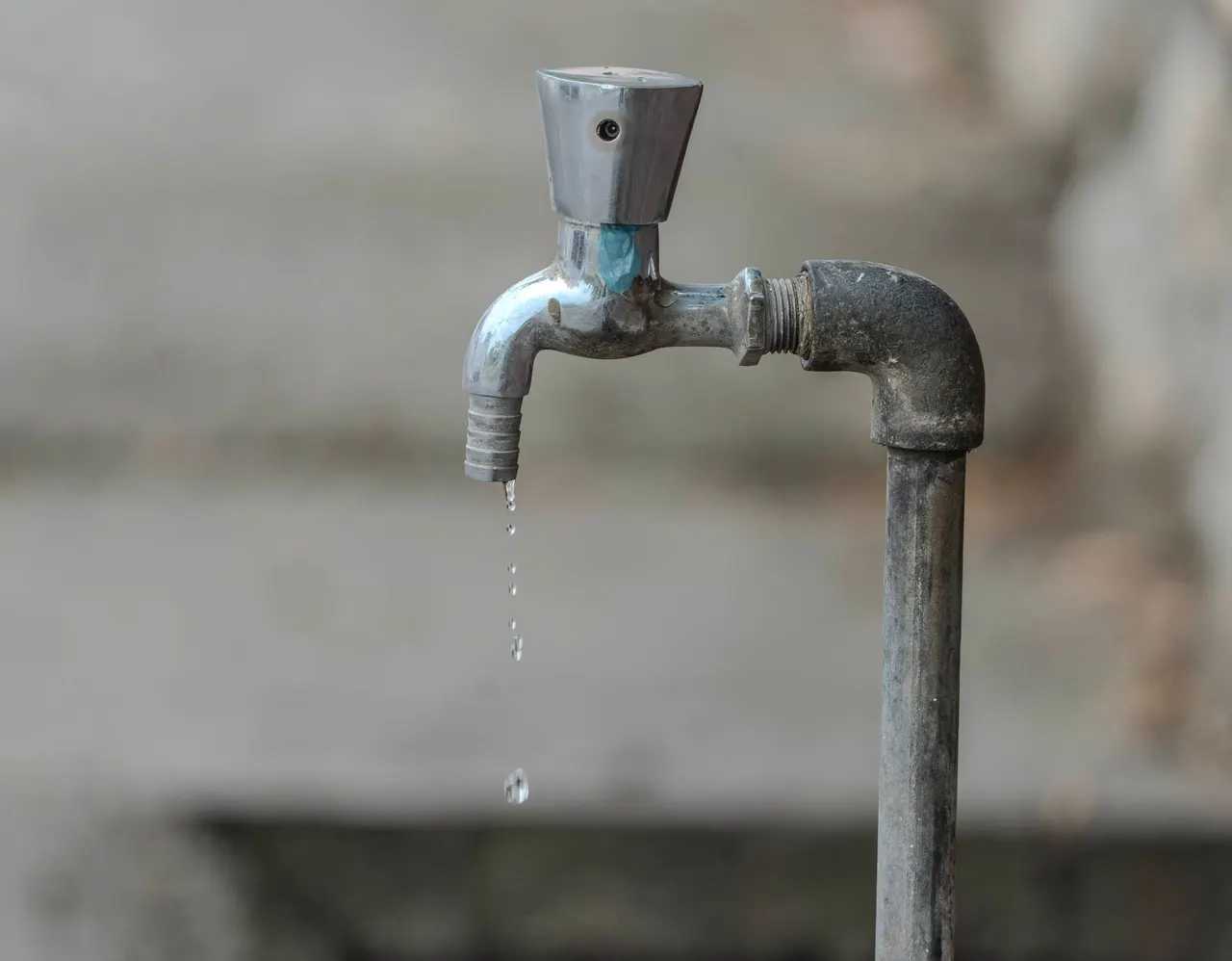
We isolate the hot and cold lines and run a hydrostatic test pump or pressure testing gauge to see which side loses pressure. That tells us whether the leak is on the domestic water line or the drain. Results are recorded and explained to you on site.

You receive a marked floor plan, photos of the thermal readings, and a repair recommendation with pricing. If you approve the repair, we schedule it, usually within a few days. If you want a second opinion, the report gives any plumber what they need.

Reads floor surface temperature to reveal wet slab zones as warm or cool bands. Calibrated before each job for accurate readings.

Listens for the sound of pressurized water escaping a pipe, confirming the thermal finding and separating supply leaks from drain leaks.

Traces the pipe path and confirms the leak location, especially useful on post-tension slabs where cutting must be avoided.
Isolates hot and cold lines and measures pressure loss to identify which line is leaking before any repair begins.
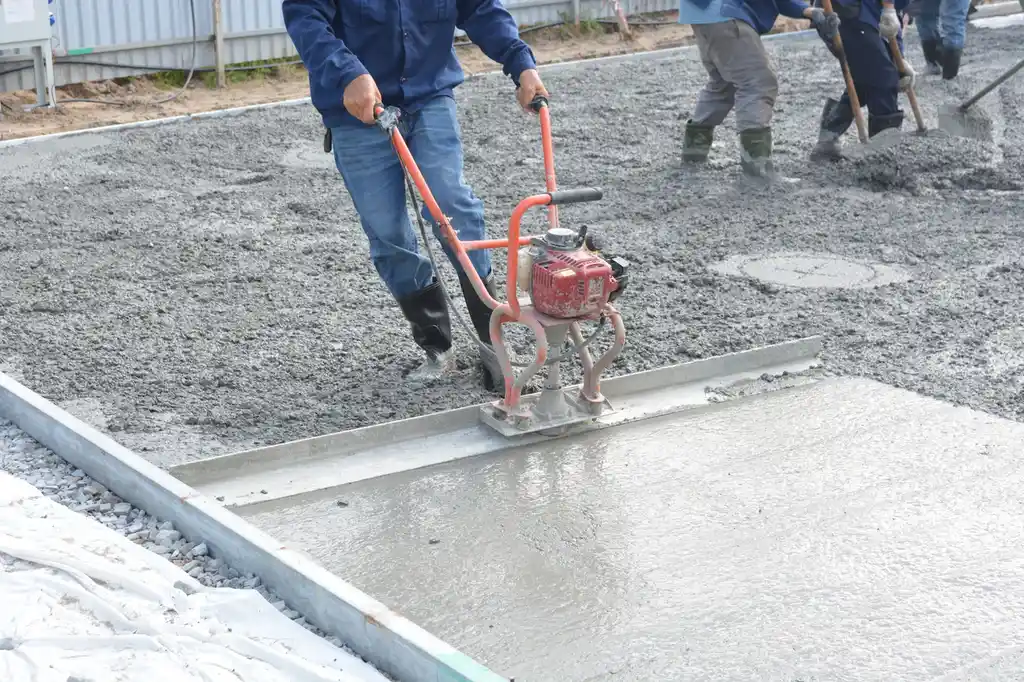
Shows the inside of accessible pipe to check for corrosion, scale, or a cracked section that explains the leak.

Verifies that a thermal anomaly is wet material and not a duct or sun-loaded floor, preventing false positives.
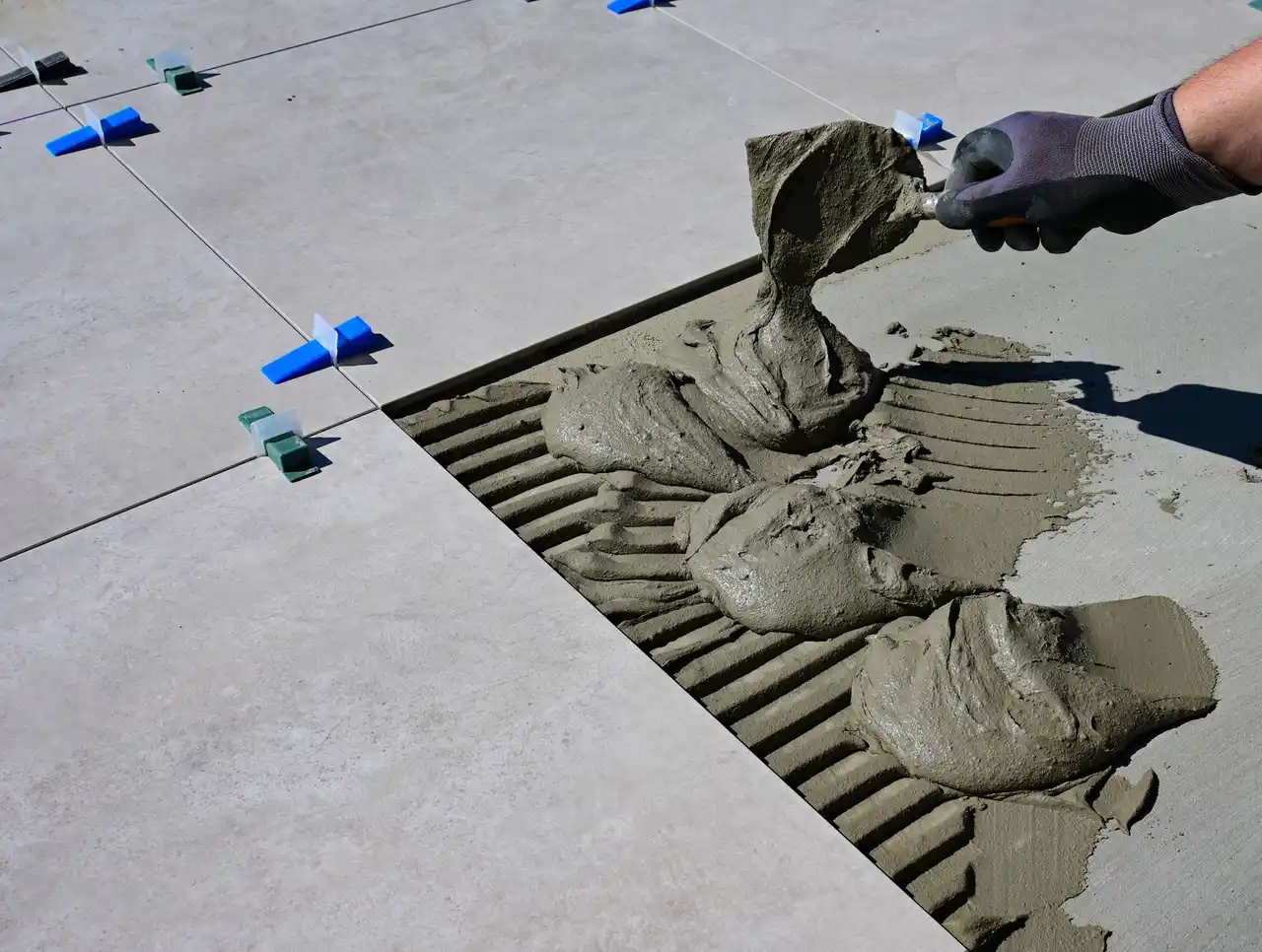
Maps the underground pipe route so the repair opening is placed directly over the confirmed leak.

We start with infrared scanning to narrow the search area, then confirm with moisture and pressure testing. This order keeps the diagnostic fast and avoids unnecessary demolition.
We run a thermal scan and pressure test to find the leaking line, then mark the slab location. If it is a supply leak, we repair or reroute the pipe and retest before patching. Your meter stops spinning, and the next full billing cycle returns to normal usage.
We perform a pre-purchase thermal scan and pressure test, then provide a written report with photos. The report flags any active leak or moisture pattern the inspector may have missed. You negotiate with real information instead of hoping the slab is dry.
Freeze events stress copper pipe and can open a pinhole leak. We scan the area, confirm with acoustic listening, and repair the split section with copper or PEX matched to your system. The leak is fixed before the soil under the slab saturates and shifts.
We provide thermal images, moisture readings, pressure test results, and a marked floor plan in one report. The file is formatted so an adjuster can follow the findings without a site visit. You submit a complete claim package instead of chasing paperwork.
Princeton sits on expansive clay soil that moves with our wet springs and dry summers, and that movement is hard on under-slab plumbing. Homes in Park Trails and Abbey Crossing often have copper pipe from the 1990s and 2000s, while newer builds in Arcadia Farms use PEX tubing. Both fail, just differently: copper corrodes at joints, PEX can kink or crack at fittings. When you call for thermal imaging leak detection Princeton Texas, we account for slab type, flooring material, and whether the home has post-tension cables that limit where we can cut. Winter freezes are the busiest season for us, followed by the summer dry cycle when soil shrinkage exposes stress on older lines. We keep detection gear on the truck so a call from ZIP 75407 can often be handled the same day. If you need thermal imaging leak detection Princeton TX Collin County service, we cover the full route from Princeton Place to Monticello Park.
A Park Trails homeowner saw the water bill climb from $80 to $210 over two months. No visible water, but the meter spun with all fixtures off. Two other plumbers suggested breaking out the bathroom floor without confirming the source.
Our thermal scan marked a warm strip in the hallway, and a pressure test confirmed a hot-line leak under the slab. We opened a 3-square-foot section, repaired the copper pipe, and pressure tested before patching. The next full billing cycle returned to $84.
Keep an eye on the meter monthly. If it spins with everything off, call for a scan before the leak spreads under more flooring.
An Abbey Crossing homeowner felt a warm spot near the kitchen sink and feared the entire tile floor would have to come up. The slab is post-tension, which limits where a plumber can safely cut.
Thermal imaging and acoustic confirmation located the leak at a single fitting. We cut a 2-square-foot opening away from the tension cables, replaced the fitting with a SharkBite connection, and tested the line. The tile was patched and matched within a week.
Check under the sink cabinet monthly for moisture. A slow drip there can signal a fitting starting to fail.
A property manager in Cypress Bend needed a leak located in a rental unit while the tenant was still living there. The symptom was a faint sound of running water and a slightly higher water bill.
We scanned the unit in 45 minutes, confirmed a PEX line leak with acoustic gear, and repaired it the next morning. The tenant stayed in place, and the manager received a written report with thermal images for the owner.
Have the unit scanned annually between tenants. Early detection keeps small leaks from becoming turnover emergencies.
Most slab leaks announce themselves through symptoms, not a visible puddle. We trace those symptoms back to the pipe so you are not paying to repair the wrong thing.
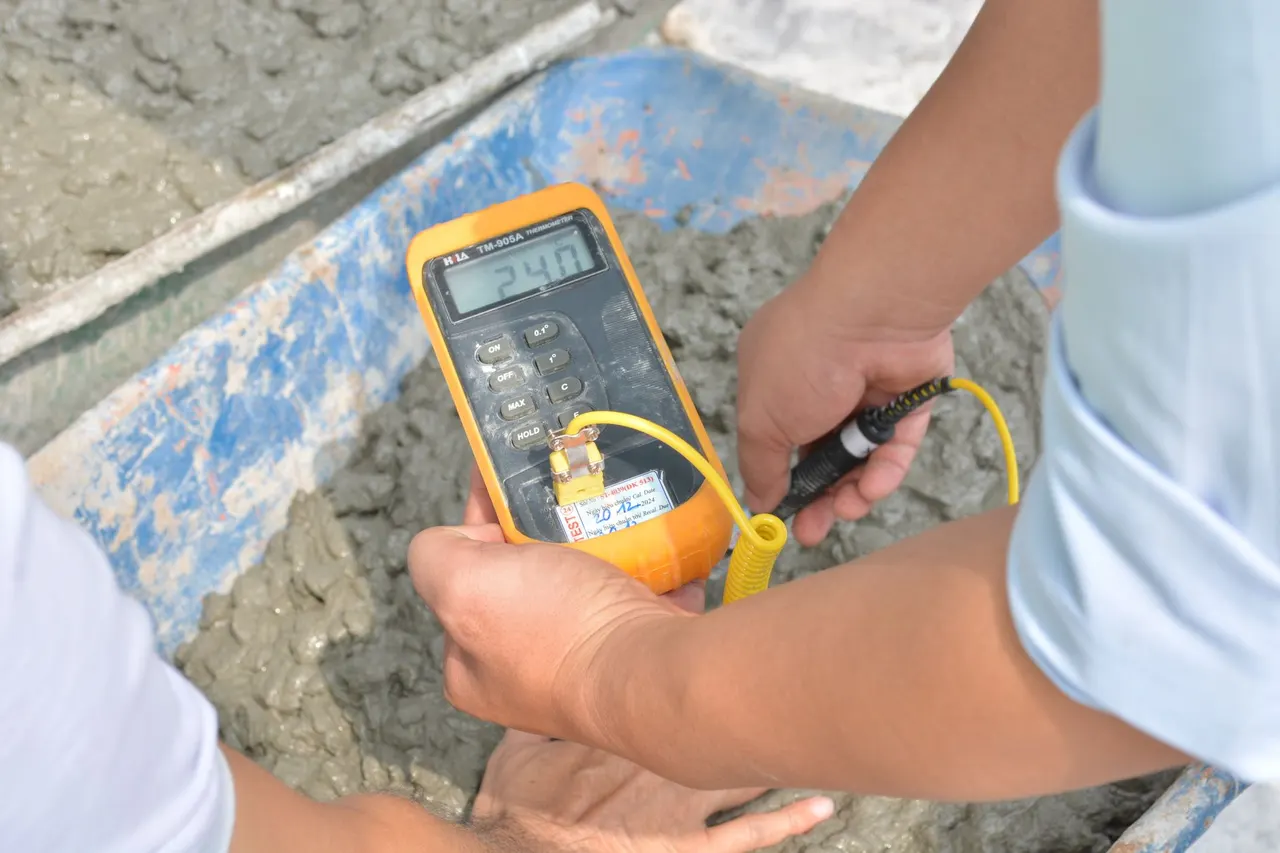
We scan the slab with infrared, confirm with a moisture meter, and pressure test the lines to isolate the leaking pipe. You get a marked location and a repair plan the same day, so the waste stops fast. A running slab leak can waste thousands of gallons a month and push your bill past $200 while damaging soil under the foundation.
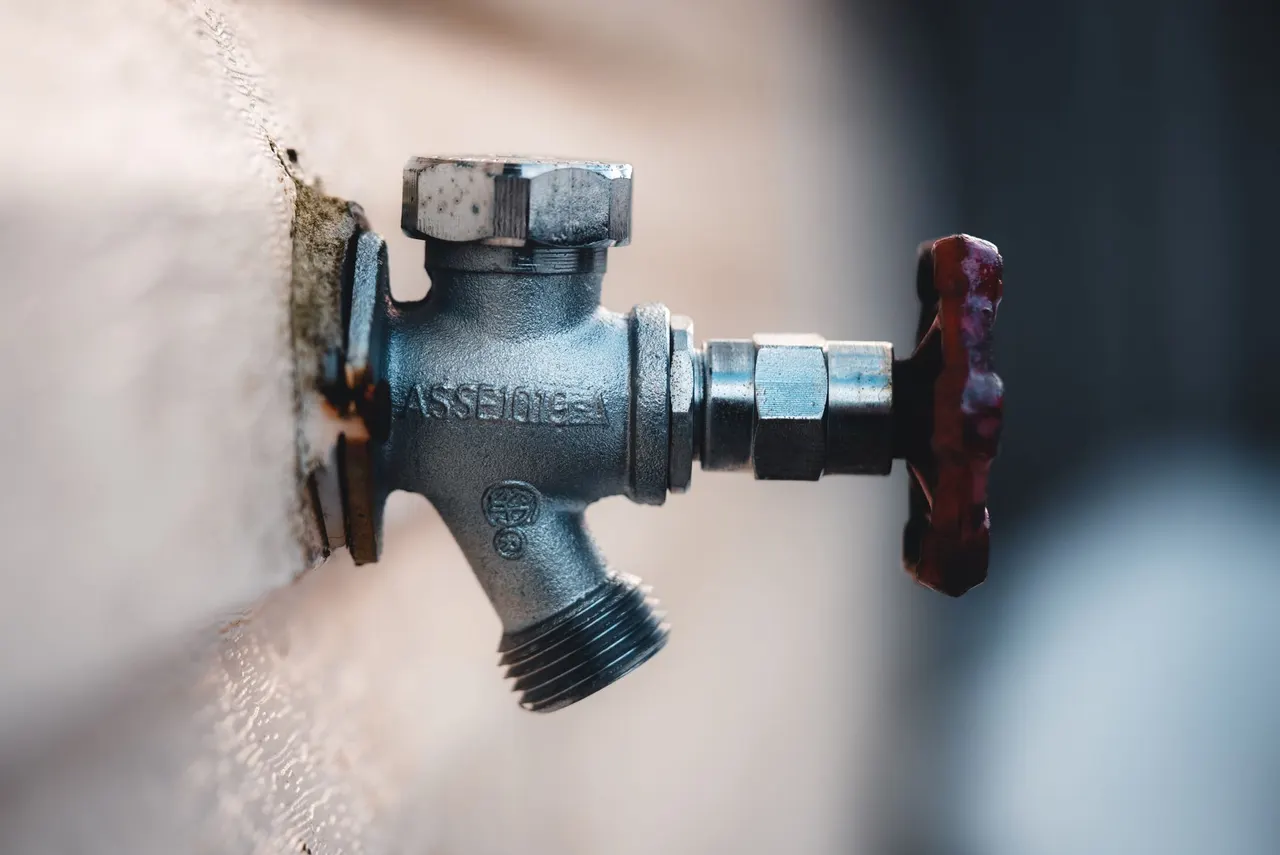
We confirm the hot line with a thermal scan and a hydrostatic test, then repair or reroute the failing section. Most hot-line leaks are fixed in one day with a small slab opening. A hot spot usually means a hot water line is leaking under the slab. Left alone, it softens soil, shifts the foundation, and can crack tile or drywall.
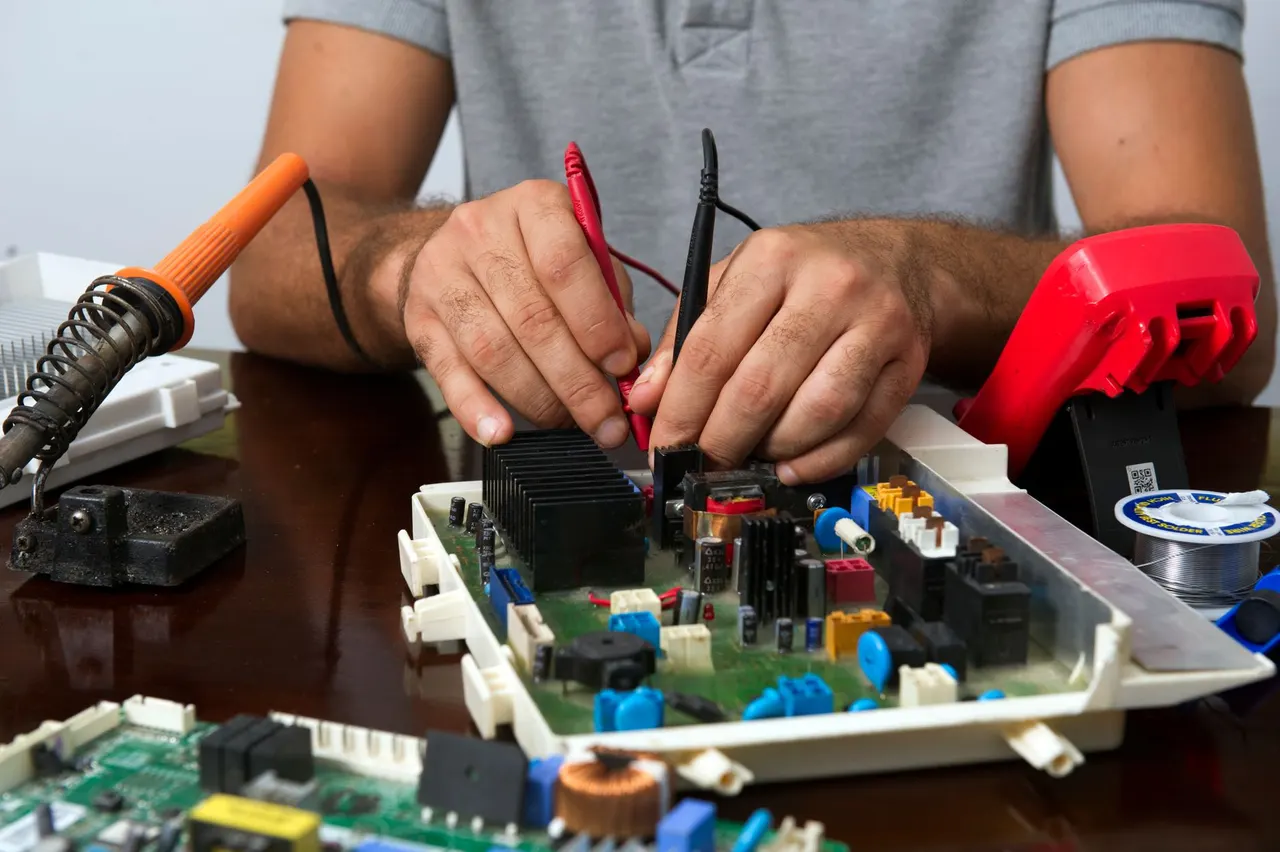
Acoustic equipment and thermal imaging work together to locate the sound source. We isolate the line, confirm with pressure testing, and repair before the pipe bursts. That sound often points to a pressurized supply leak under the slab that will keep growing until the pipe fails completely.

We find and stop the leak first, then document the moisture pattern so you have a record. Stopping the water is the first step before any foundation repair is considered. Foundation movement from saturated soil shows up as cracks and misaligned doors, and it gets worse the longer water runs under the slab.
We mark the leak zone on your floor with tape before cutting anything. Instead of breaking out an entire room, we open a small section, often 2 to 4 square feet, directly over the confirmed pipe. That keeps your flooring repair bill down and gets you back to normal faster.
Most thermal scans take 60 to 90 minutes from arrival to written findings. You get a clear answer the same day you call, which matters when water is actively spreading under your slab. We schedule emergency thermal imaging leak detection Princeton TX 24/7 for active leaks.
A slab leak can waste thousands of gallons a month and quietly push your bill past $200. Once we locate and repair the line, your meter stops spinning when no fixtures are running. Most customers see their next full billing cycle return to normal usage.
Water under a slab softens the soil and speeds up foundation movement, which shows up as cracks in drywall and sticking doors. Finding the leak early with affordable thermal imaging leak detection in Princeton Texas limits how much soil shifts. We document the moisture pattern so you have a record for insurance.
Clear records you can keep and share.
Leak zone marked on a printed plan.
Photos of each temperature reading taken.
Recorded gauge readings for each line tested.
A thermal camera reads surface temperature, not water directly. Wet slab areas change how heat moves, which is what the camera picks up.
Water under the slab changes how heat moves through concrete. The camera shows that as a warmer or cooler band compared to dry areas.
HVAC ducts and sun-loaded floors can create temperature patterns that look like leaks. We confirm every reading with a moisture meter before marking.
A thermal reading narrows the search, but a pressure test proves which line is leaking. We run both so the repair targets the right pipe.
Outside these areas? Call and ask if we cover your street. +1 345 567 8766
An infrared camera reads floor temperature and shows wet slab areas as warmer or cooler bands than dry concrete. We scan each room, mark the anomaly, then confirm it with a moisture meter and pressure test. The whole process usually takes 60 to 90 minutes on a typical Princeton home, and you get written findings the same day.
Typical 2026 pricing in this area runs $250 to $450 for a residential thermal scan with written findings, depending on home size and how many lines we isolate. If you hire us for the repair, we credit part of the detection fee. Commercial properties and multi-unit scans are quoted per square footage.
Yes, when the camera is paired with a moisture meter and a pressure test. Thermal imaging alone can be fooled by sun-loaded floors or HVAC ducts, so we always confirm with a second method. On Princeton slabs we also listen with acoustic equipment to separate a water line leak from a drain leak before any concrete is opened.
We cover all of Princeton and the surrounding Collin County area, including ZIP 75407. Neighborhoods like Park Trails, Cypress Bend, and Trails at Riverstone are on our regular route. Call and we will give you the next available window, with emergency thermal imaging leak detection Princeton TX 24/7 for active leaks.
If your water bill spiked or a warm spot appeared on the floor, call ClearSlab Solutions. We answer with a real person, schedule a same-day or next-morning visit, and give you written findings before any repair. One call gets you a clear answer.
Call us at +1 345 567 8766 or email info@clearslabsolutions.com. We answer the phone during business hours and return after-hours messages first thing the next morning. Most Princeton jobs get a same-day or next-day arrival window. If you have a water bill in hand, have it ready.