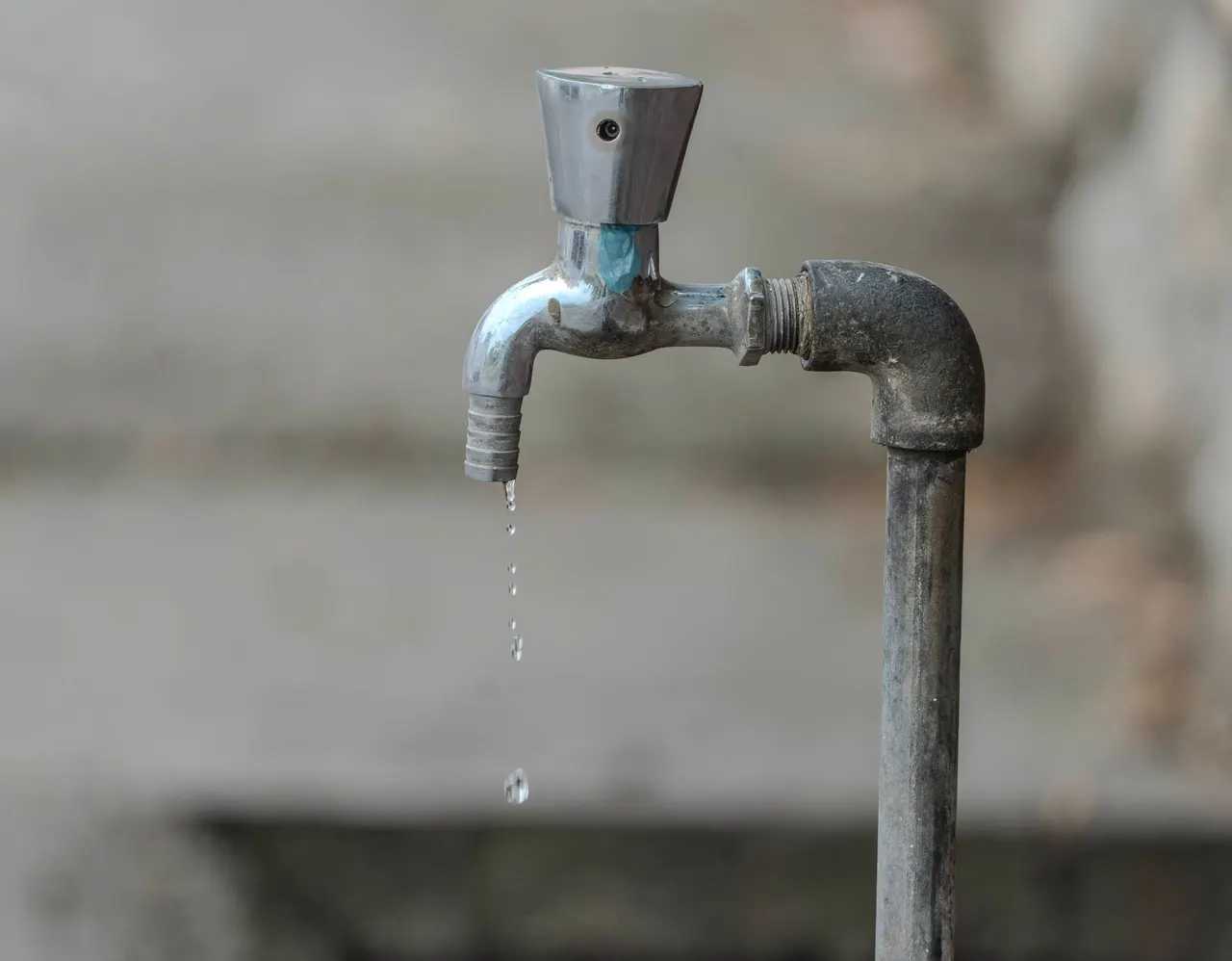
Marked leak location
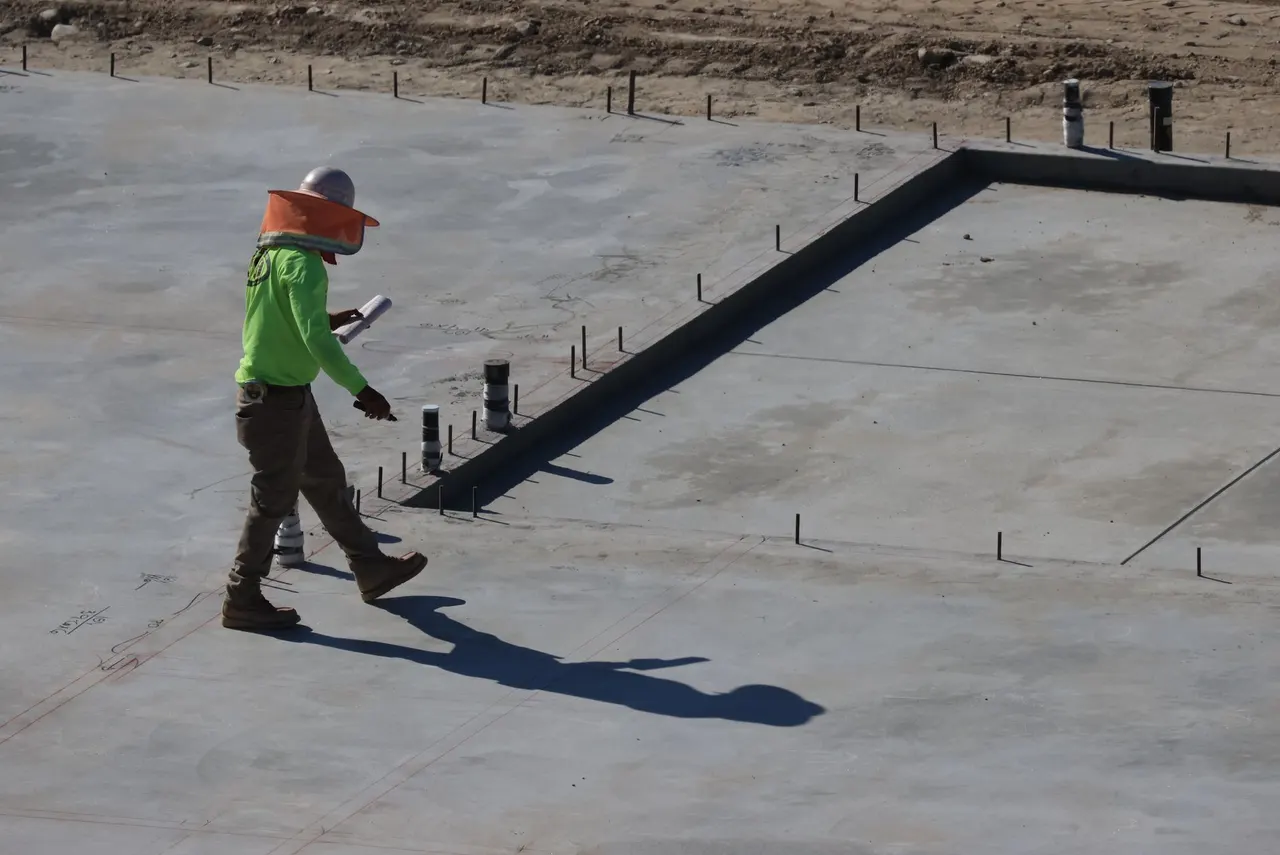
Floor marked before any cutting starts
Slab Leak Repair Princeton TX starts with finding the leak, not guessing at it. We use acoustic listening gear and thermal imaging to pinpoint the break under your floor, then fix the line with copper or PEX and pressure-test it before we leave. If your water bill jumped and the floor feels warm, call ClearSlab Solutions.

Every job we quote includes detection, access, repair, and a pressure test before the slab goes back down. What varies is how much pipe gets replaced and whether the repair is a spot fix or part of a larger reroute. Here is the breakdown so you know what you are paying for.
We handle slab leaks in houses, duplexes, and rentals across Princeton. You get detection, a small access cut, the pipe repair, and a pressure test before the slab goes back down.
We work on small commercial buildings and multi-unit properties in Princeton. The goal is the same: find the leak fast, fix the line, and keep the building open while we do it.
Slab Leak Repair Princeton TX is the process of locating a pressurized water line break beneath a concrete foundation, exposing the failed section, and restoring the pipe so the line holds pressure again. We start with acoustic leak detection equipment and a thermal imaging camera to hear and see where water is escaping. From there we isolate the branch with a pressure testing gauge, mark the floor, and cut a precise access point instead of tearing up half the room.
Most Princeton homes we open up are on post-tension or conventional slab foundations built during the last two decades of fast growth in Collin County. Copper pipe from that era is now hitting the age where pinhole corrosion and fitting failures show up, and PEX tubing installed early on is starting to fail at crimp rings. If you have been searching slab leak repair Princeton TX near me because your meter spins with everything off, that is exactly the call we handle every week.
We find the break with sound and heat, then fix the pipe and prove it holds.
From the first phone call to the final pressure test, here is what actually happens when you book Slab Leak Repair Princeton TX with us. No mystery, no surprise charges, no crew standing around waiting on a decision.

We ask three questions: is the meter spinning with everything off, is any floor spot warm, and is there a sound of running water with no fixture on. Your answers tell us whether this is a hot-side or cold-side break, which shapes the whole job. Most calls take under 10 minutes.
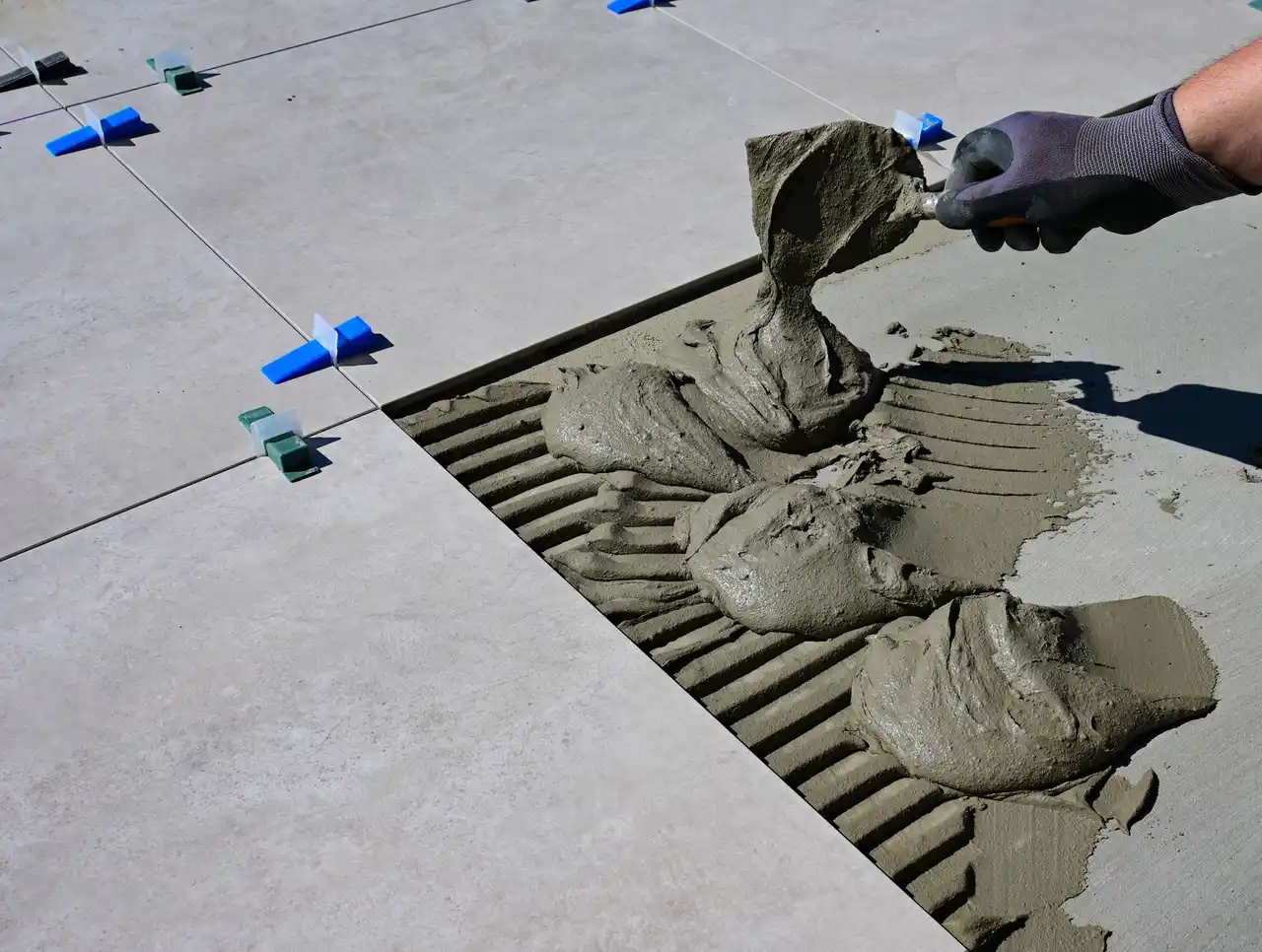
We walk the house with acoustic leak detection equipment and a thermal imaging camera, then confirm the location with a pressure testing gauge on the isolated branch. Expect 45 to 90 minutes depending on slab size and how many lines run under it. You get a marked floor and a straight answer.

We cut a controlled access point, usually 2 by 2 feet, and expose the failed pipe. Copper gets a new section soldered in with couplings; PEX gets cut back and re-crimped with new fittings. A straightforward spot repair runs two to four hours from cut to close.
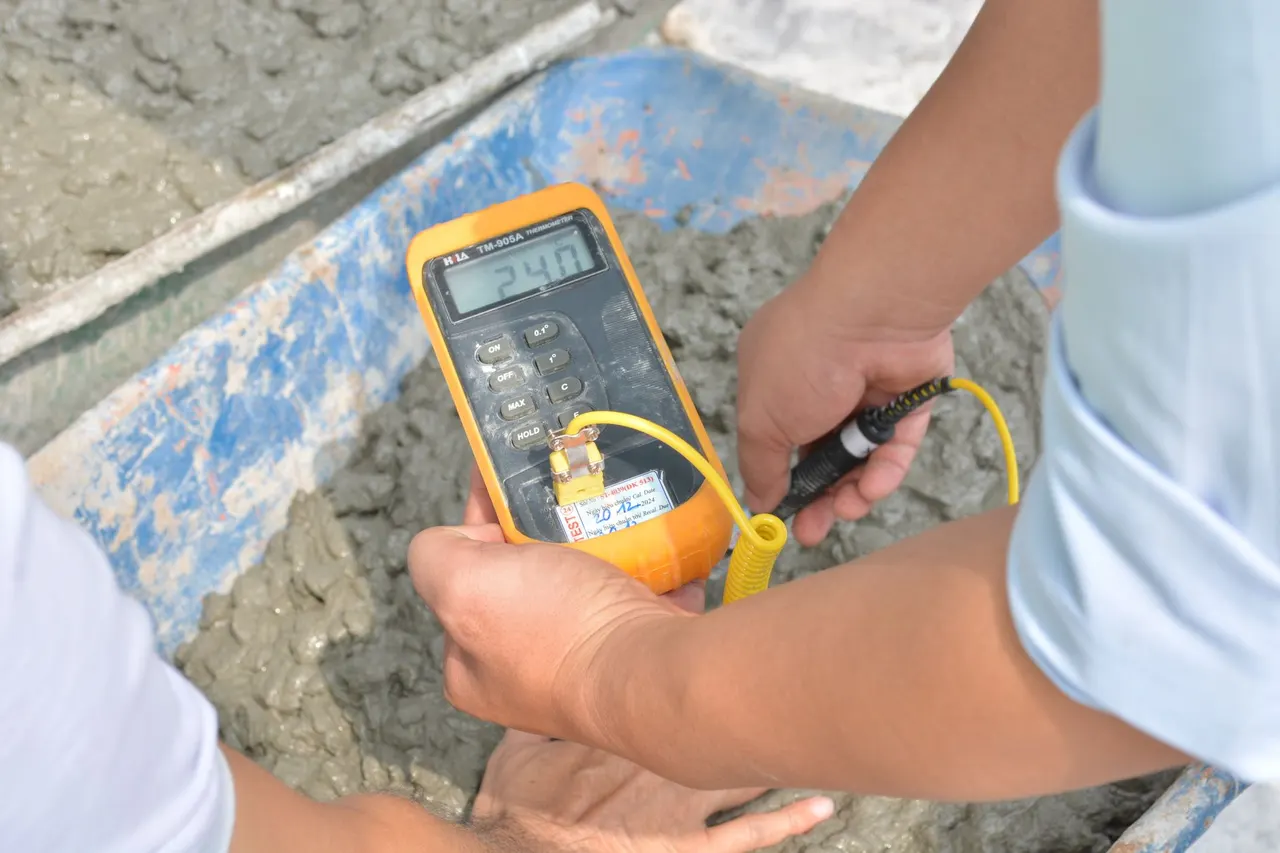
Before anything gets patched, we pressurize the repaired line and hold it. If it drops, we find out now, not next week. Once it holds, we backfill, pour the patch, and leave the area clean enough that you can walk on it the same day.
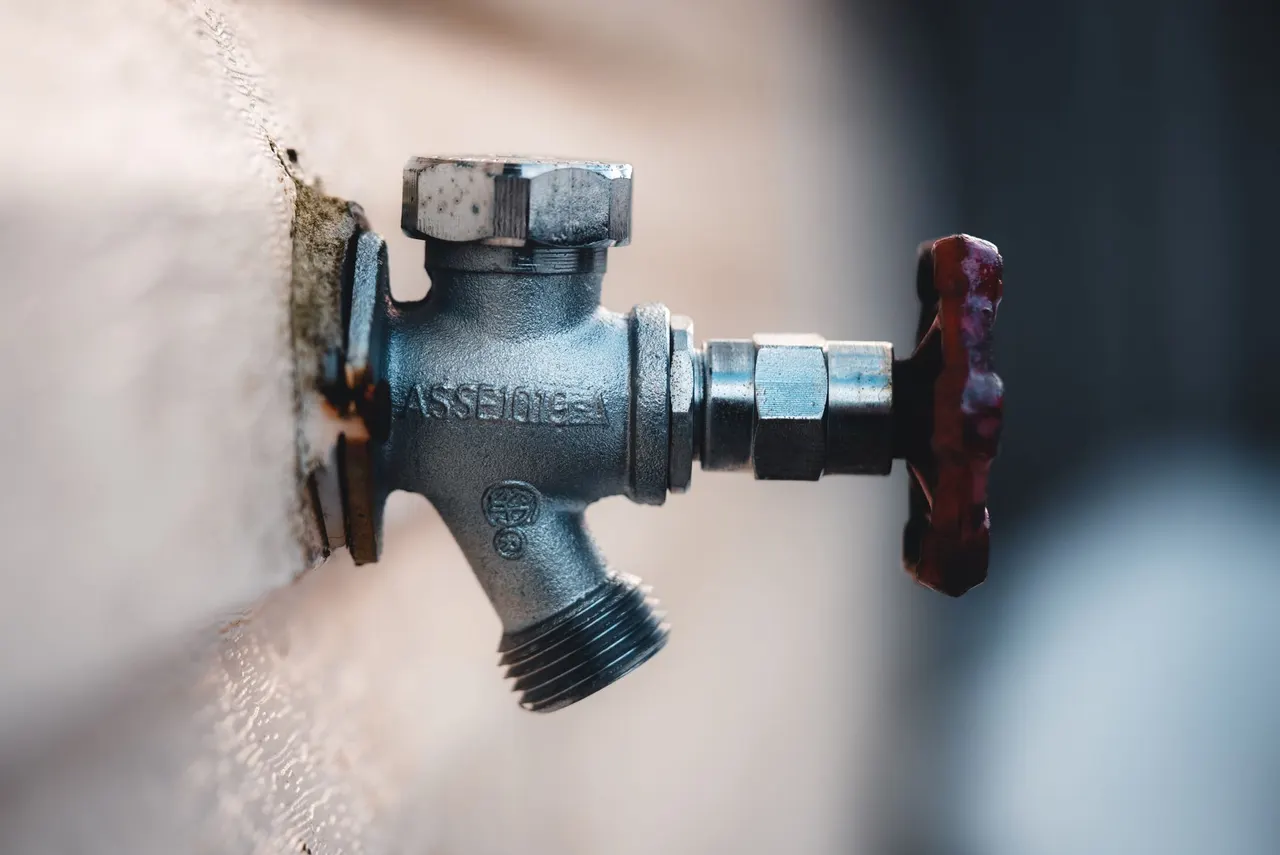
We show you the repair, the test result, and what to watch for over the next 30 days. If the line was old enough that a second failure is likely, we tell you straight and quote rerouting or under-slab pipe replacement so you can plan instead of react.
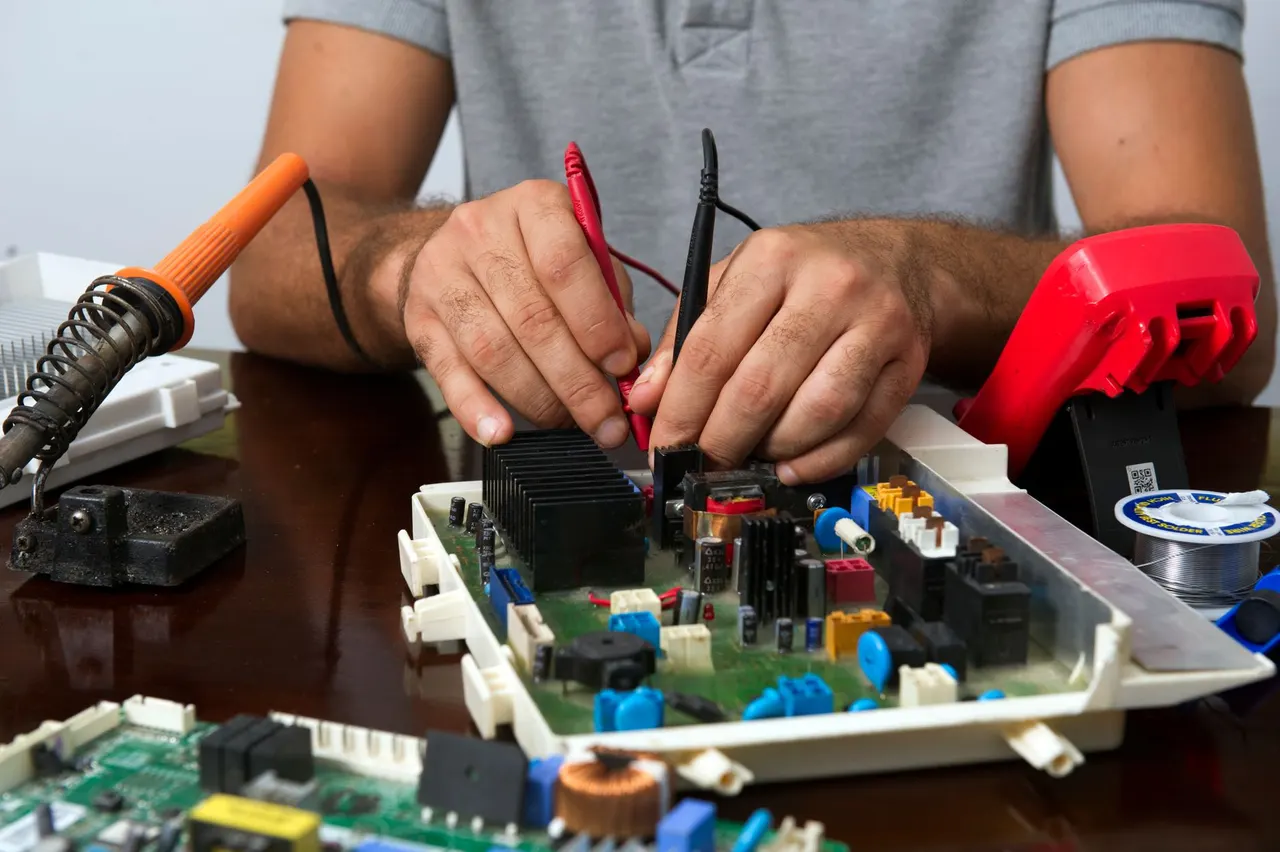
Amplifies the sound of pressurized water escaping a pipe so we can narrow a whole-house search to a single spot on the floor, usually within a couple of feet.

Reads surface temperature differences on the slab. Hot-water leaks show as warm patches, which confirms what the acoustic gear heard and speeds up locating.

Holds an isolated branch under pressure to confirm whether it leaks and whether the repair held. This is the step that tells us the job is actually done.
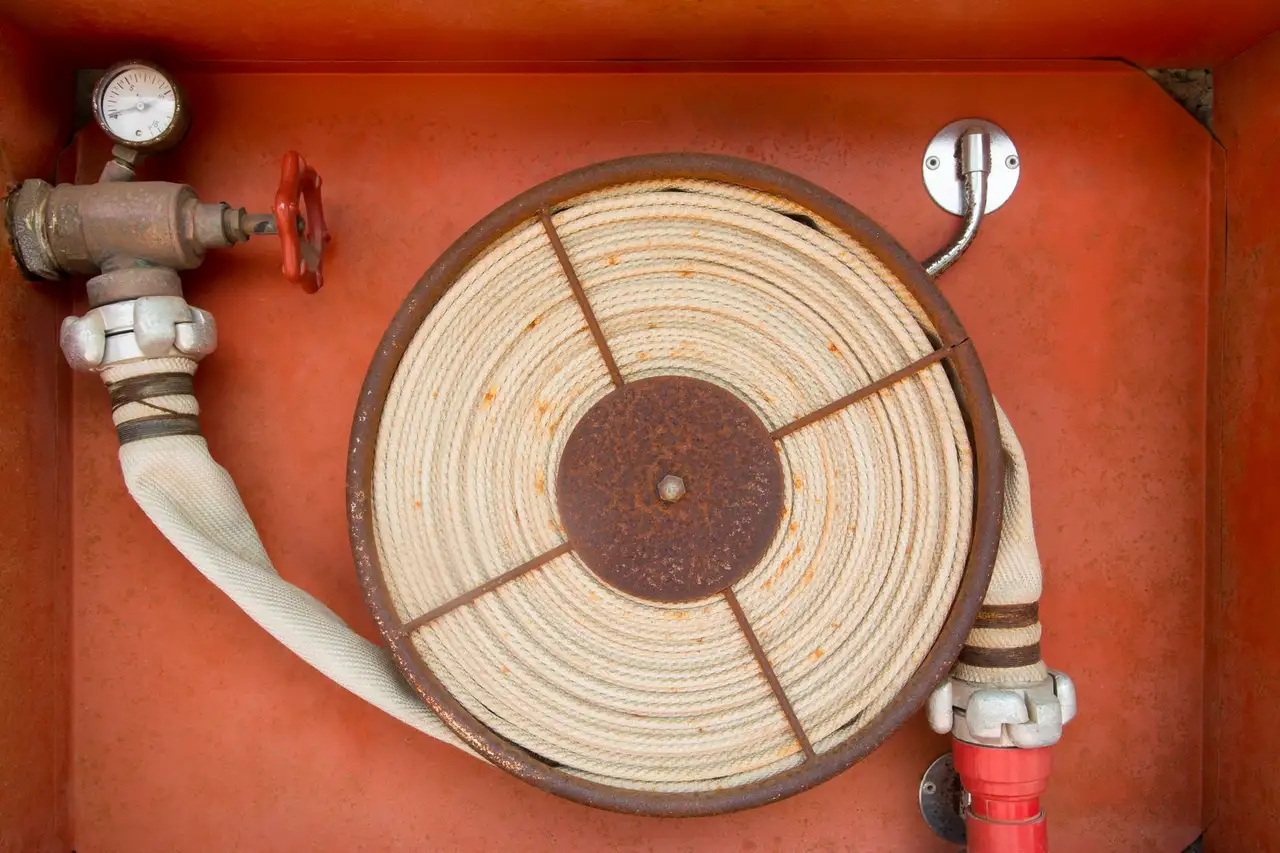
Pressurizes a section of line with water for a controlled test. Used to verify repairs and to check drain lines when a leak is suspected on the waste side.
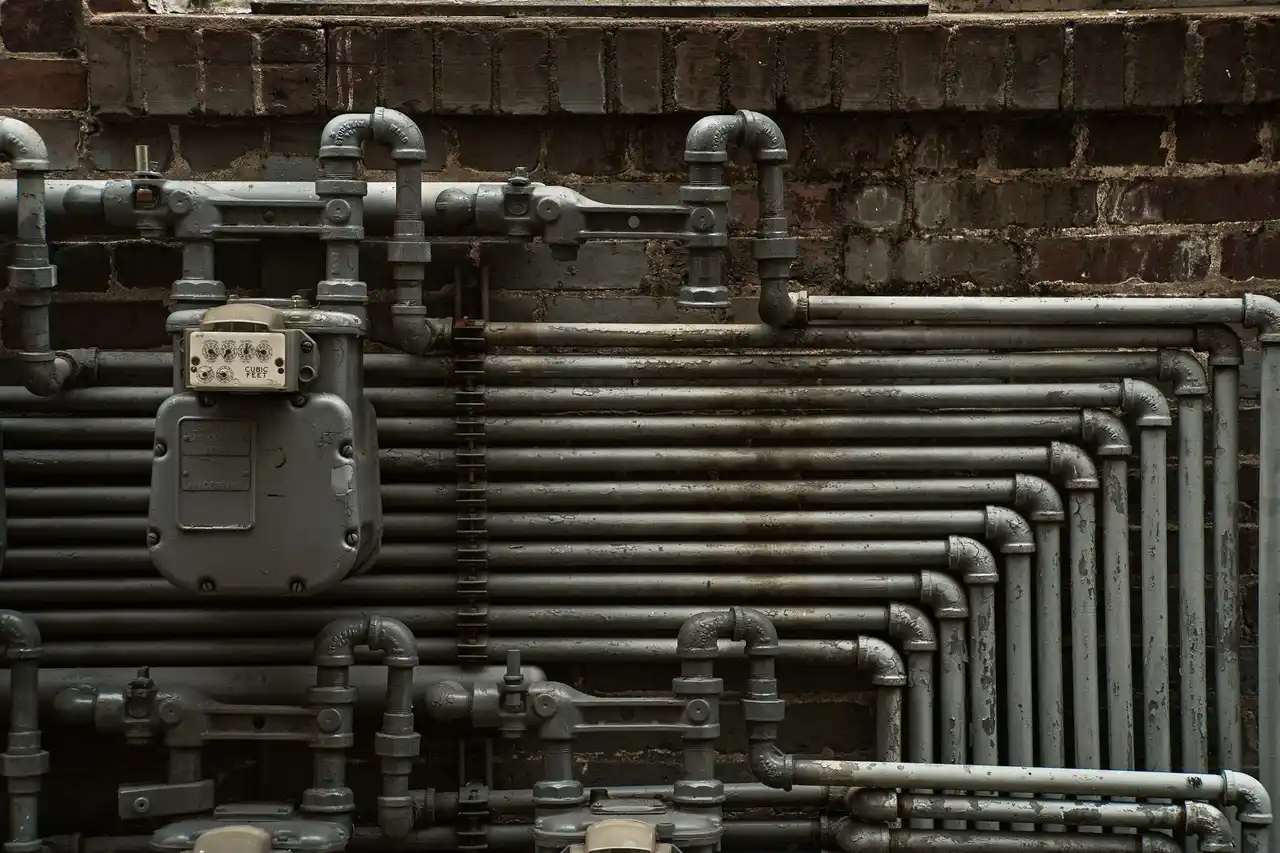
Runs inside a line to see corrosion, fitting damage, or debris. Helps us decide between a spot repair and replacing a longer section of pipe.
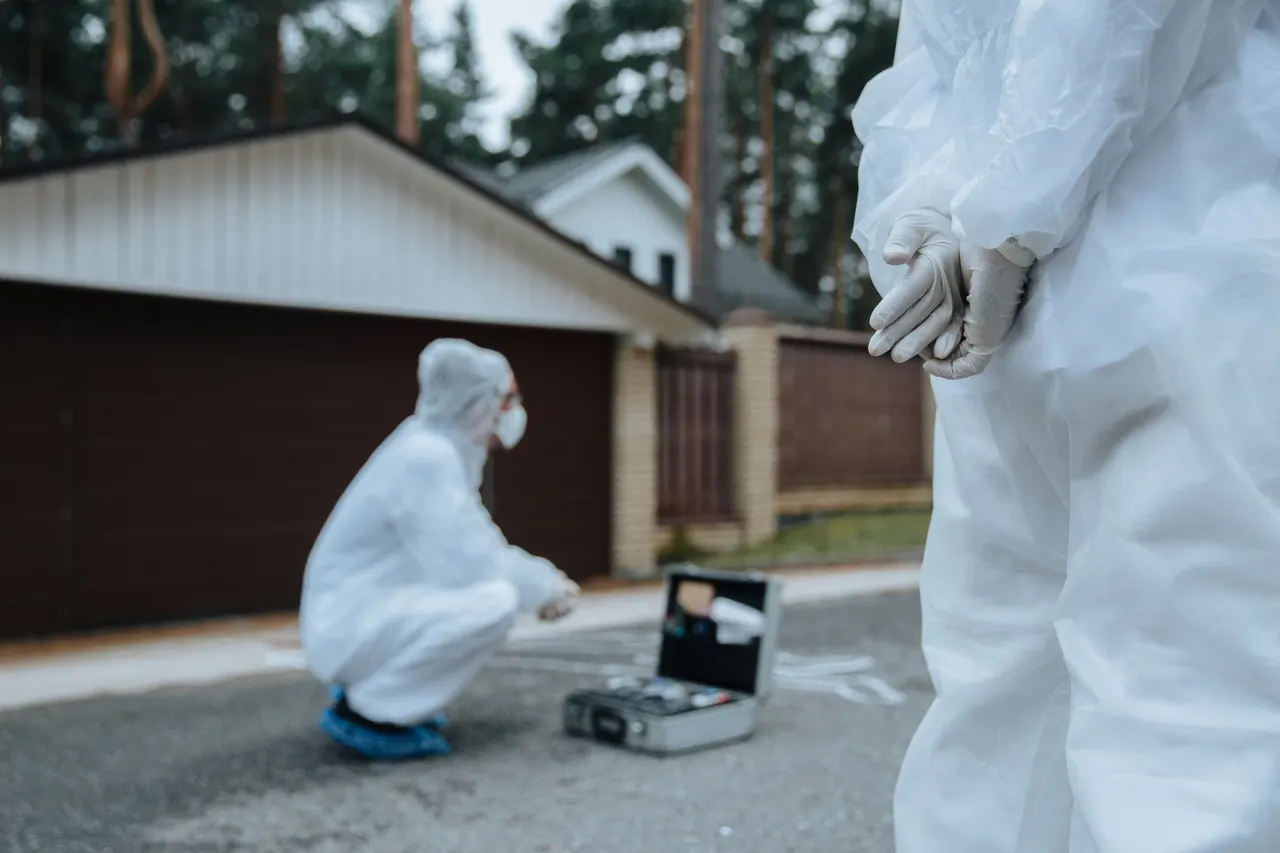
Traces the path of under-slab pipe before we cut, so the access point lands on the line and not beside it. Also helps avoid post-tension cables.
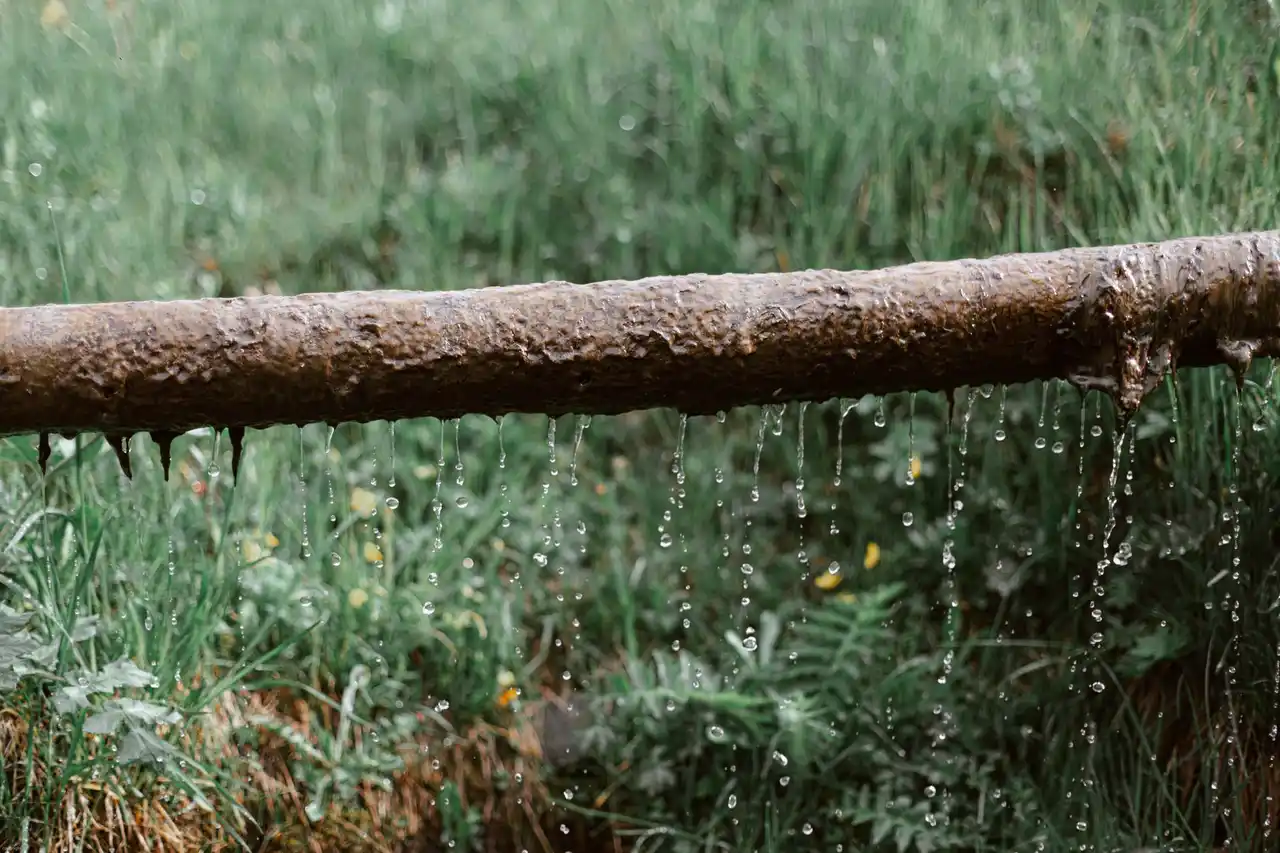
Checks flooring and baseboard moisture before and after the repair. Confirms the area is drying and helps catch a second leak we might otherwise miss.
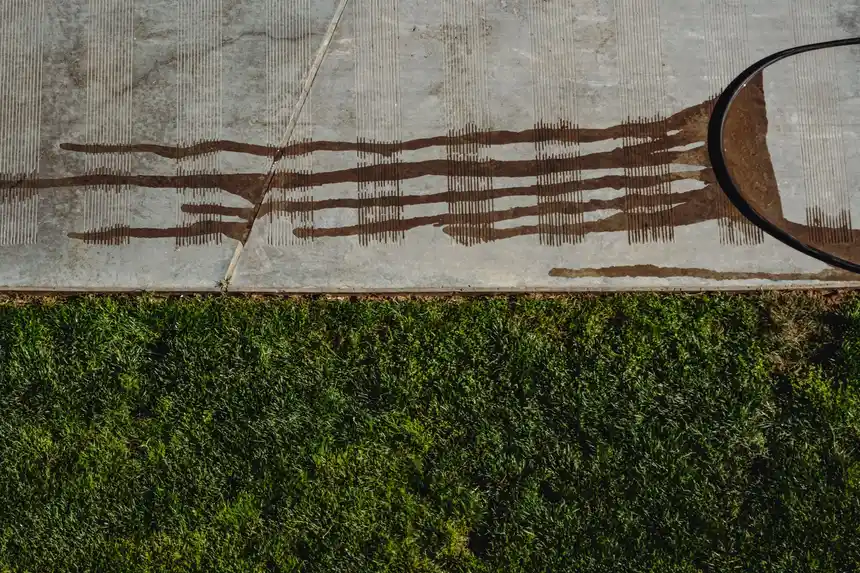
We shut off branches one at a time and hold each under gauge pressure. The branch that loses pressure is the one with the leak. This narrows the search before any acoustic or thermal work begins and keeps detection time under 90 minutes on most Princeton slabs.
We come out, isolate the supply branches, and pressure-test each one to find which side is losing. Acoustic gear narrows it to a spot in the hall. We cut access, repair the copper, and test before patching. The meter stops moving, the bill normalizes on the next cycle, and the floor is walkable the same day.
Thermal imaging confirms a hot-line break under the slab. We do a spot repair with one small access point and provide the pressure test result and repair documentation for the disclosure packet. The repair is closed out before listing, and the buyer's inspector finds a documented, tested fix instead of an open question.
We respond, shut down the affected line to stop the damage, and schedule the repair for the next available slot. The owner gets a written scope and flat price before any cutting happens. Water damage is contained overnight, the tenant has water back quickly, and the owner approves a known number instead of an open-ended bill.
We run a full pressure test on the branch and inspect the surrounding pipe condition. Rather than patch a third time, we quote a reroute that runs new pipe overhead and abandons the failing under-slab section. No more opening the floor every couple of years, and the new line is pressure-tested and documented when we finish.
Princeton sits on expansive clay soils that swell when wet and shrink when dry, and that movement is hard on under-slab pipe. Add the fast subdivision growth across Collin County over the past two decades, and you get a housing stock where copper lines from the early 2000s are now hitting the age where pinhole corrosion shows up, while early PEX installs are starting to fail at crimp rings. Our winters bring occasional hard freezes that stress exposed lines and fittings, and our summers push ground temperatures high enough that a hot-water leak under the slab shows clearly on a thermal camera. We work inside ZIP 75407 and the surrounding area, and we know which neighborhoods have post-tension slabs that require extra care before cutting. If you need affordable slab leak repair in Princeton Texas, the honest answer is that detection quality drives the price more than anything else. Find the leak accurately and the repair stays small. Guess at it and you are paying for concrete you did not need to remove.
The homeowner's water bill jumped from about $75 to $290 in one cycle, and the meter spun with every fixture off. No visible water inside. Two other plumbers suggested opening a large section of the hallway floor to look around.
Acoustic detection and a pressure test narrowed it to a single pinhole on the hot line. We cut one 2-by-2 access point, replaced about 14 inches of copper, pressure-tested the branch, and patched the slab. Total job time was under five hours.
Keep an eye on the next two billing cycles to confirm usage is back to baseline. If the surrounding copper is the same age, ask about a reroute before it fails again.
A warm patch near the kitchen kept spreading over about six weeks. Tile was starting to lift at one edge. The homeowner was worried the whole kitchen floor would have to come up.
Thermal imaging confirmed a hot-line break under the slab in under an hour. We cut a small access point, replaced the failed PEX section and crimp fittings, and held pressure for the test. The patch went down the same day.
Watch the repaired area for any new warmth over the next month. Keep the slab edge clear of standing water, since clay movement is what stresses these lines in the first place.
This copper line had been spot-repaired twice in three years, both times under the same room. The homeowner was tired of cutting the floor and wanted a permanent answer instead of another patch.
We pressure-tested the branch, inspected the surrounding pipe, and found widespread pitting. Instead of a third spot repair, we rerouted the line overhead and abandoned the failing under-slab section. The new run held pressure on the first test.
No maintenance on the abandoned line. Keep an eye on the rest of the original copper, and plan for a second reroute if another branch starts showing the same pitting.
Most slab leaks announce themselves in one of a few ways. If any of these sound familiar, the leak is already costing you money every day it runs. Here is what we see most often in Princeton and what it takes to stop it.

We isolate the branches with a pressure testing gauge, find which one is losing pressure, then locate the break with acoustic gear. Once we know the spot, a spot repair or a reroute stops the loss, and we confirm it with a hydrostatic test before closing up. A running line under the slab can waste hundreds of gallons a day. Left for a full billing cycle, that is real money, and the water is going straight into the soil under your foundation.

A thermal imaging camera confirms the hot-side break fast, usually in under an hour. We cut a small access point, replace the failed section of copper or PEX, and pressure-test the line. Most warm-spot jobs are finished in a single visit. A hot-water line leak heats the slab from underneath. The warm patch spreads as water migrates, and the moisture starts lifting tile, warping laminate, and staining baseboards.

Acoustic leak detection equipment picks up the exact location, even under a few inches of concrete. We shut the line down if needed, repair the section, and test it. If the pipe is failing in multiple places, we quote rerouting instead of chasing repairs. That hiss is pressurized water escaping a pipe. It does not stop on its own, and by the time you hear it clearly, the leak has usually been running for weeks.
We find and fix the water source first, because foundation repair without stopping the leak is wasted money. After the pipe holds pressure, we document what we found so your foundation contractor has a clear picture of what changed. Water under the slab changes the soil volume beneath it, and the foundation moves. Cracks in tile and doors that suddenly stick are early signs, not cosmetic issues.
A pencil-thin line break can push your monthly bill from $70 to $300 or more. We isolate and repair the failed section, then run a hydrostatic test to confirm the line holds. Most customers see their next full billing cycle drop back to normal usage.
Water under a slab softens and shifts the soil beneath it. Left alone for a season, that movement shows up as cracked tile, sticking doors, and drywall cracks. Fixing the pipe early keeps the repair in the plumbing budget instead of the foundation budget.
We do not jackhammer a whole room. Acoustic and thermal locating lets us cut a 2-by-2 foot access point in most cases, and a spot repair on a straight run of copper or PEX is often a same-day job. You get your floor back and your water back.
Detection, access, repair, and pressure testing all come from the same team, so nobody is pointing at the other guy when something does not hold. You get a written scope, a flat price before we cut, and a clear answer on whether spot repair or rerouting is the smarter call.
Clear records you can keep and share.
Floor marked before any cutting starts
Gauge reading shown before the patch goes down
What was replaced, written down for your files
A spot repair fixes one break on a pipe that is otherwise sound. A reroute runs new pipe overhead and abandons the failing under-slab section. The right call depends on how much of the pipe has already failed.
A single pinhole on otherwise solid copper is a good spot repair candidate. We cut back past the pitted area and solder in a new section. The rest of the line stays as is.
If the same line has failed twice in a few years, the surrounding pipe is usually failing too. Patching it again means another cut in a year or two. A reroute ends that cycle.
When we open the slab and the pipe wall is thin and pitted, a spot repair will not last. We tell you that before closing up, and quote the reroute so you can decide with real information.
Outside these areas? Call and ask if we cover your street. +1 345 567 8766
Most spot repairs in Princeton run $1,200 to $3,500 in 2026, including detection, access, pipe repair, and slab patch. Rerouting or under-slab pipe replacement typically lands between $4,000 and $9,000 depending on run length and how many fixtures are tied in. Detection alone, if you only need the leak located, is a smaller line item. We quote flat before we cut.
A straightforward spot repair is a one-day job, usually four to seven hours from arrival to patched slab. Detection takes 45 to 90 minutes of that. If the line needs rerouting or a longer section replaced, plan on two to three days, mostly because the concrete patch needs time before you put flooring back down.
No, and it is not close. You cannot see the pipe, you cannot hear the break without acoustic gear, and cutting into a post-tension slab without knowing where the cables run is genuinely dangerous. The realistic DIY version is shutting off the main and calling us. That stops the water damage while you wait.
Three things dominate here: copper pipe corrosion from aggressive water chemistry, abrasive contact between pipe and concrete or gravel bedding, and foundation movement that stresses fittings. In Princeton's newer subdivisions we also see PEX crimp ring failures and, occasionally, a nail or screw from a flooring install that nicked a line. Age and soil movement do most of the work.
If your meter is spinning with everything off, or a patch of floor is warm to the touch, call ClearSlab Solutions. We locate the leak, quote a flat price, and fix it. Licensed plumbing work, detection on every job, and a pressure test before we close the slab.
Call us at +1 345 567 8766 or email info@clearslabsolutions.com. We answer the phone during business hours and return after-hours messages first thing the next morning. Most Princeton jobs get a same-day or next-day arrival window. If you have a water bill in hand, have it ready.