Marked location
Tape on the floor at the leak
Electronic Leak Detection Princeton TX uses acoustic listening gear, thermal imaging, and pressure testing to pinpoint a leak under your slab without tearing up the floor. If your water bill jumped and you hear water running when nothing is on, we find the exact spot, mark it, and hand you a clear plan. Our electronic leak detection service in Princeton starts with a full assessment, not a guess.
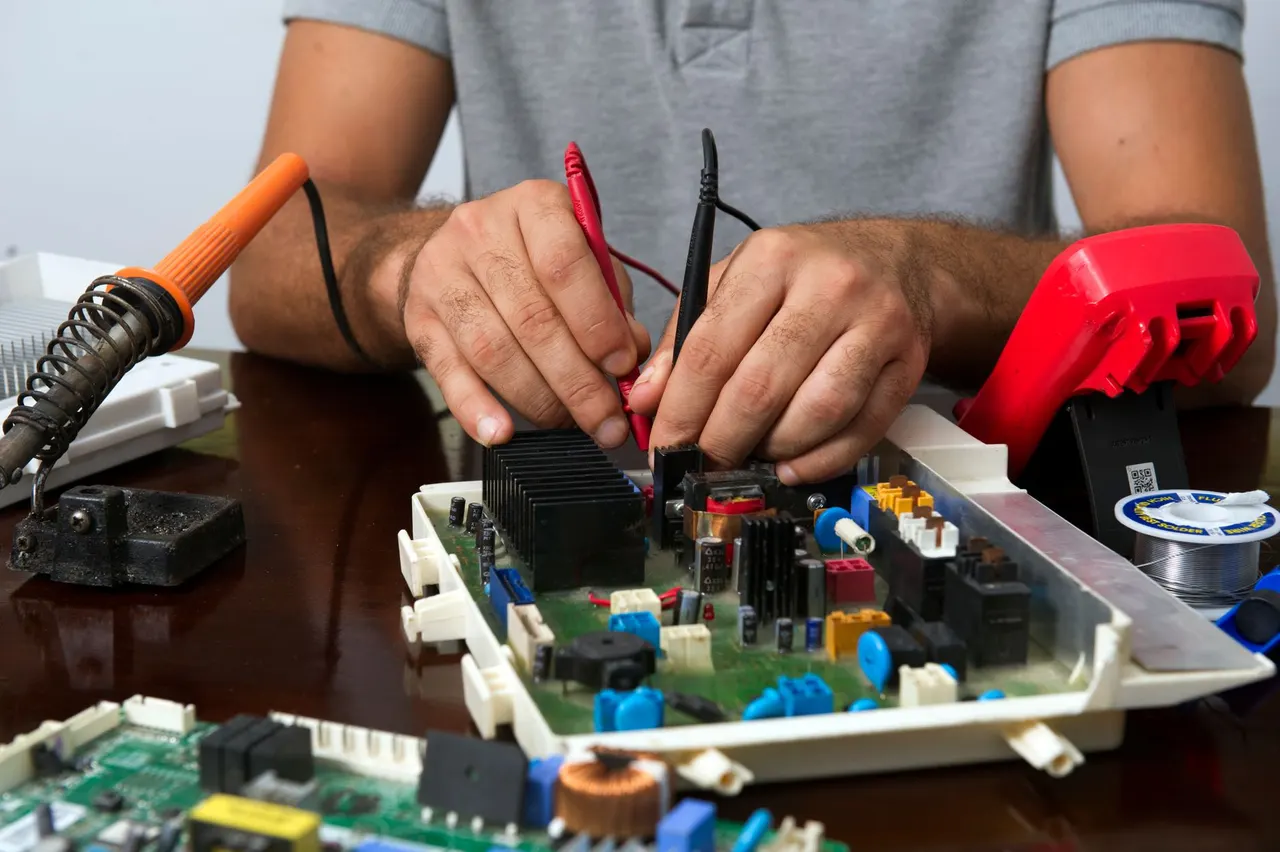
Every Electronic Leak Detection Princeton TX visit covers the full diagnostic sequence: pressure testing, an acoustic sweep, thermal confirmation, and a marked location. Repair work is priced separately once we know what we are dealing with, so you are never paying for concrete work before the leak is confirmed.
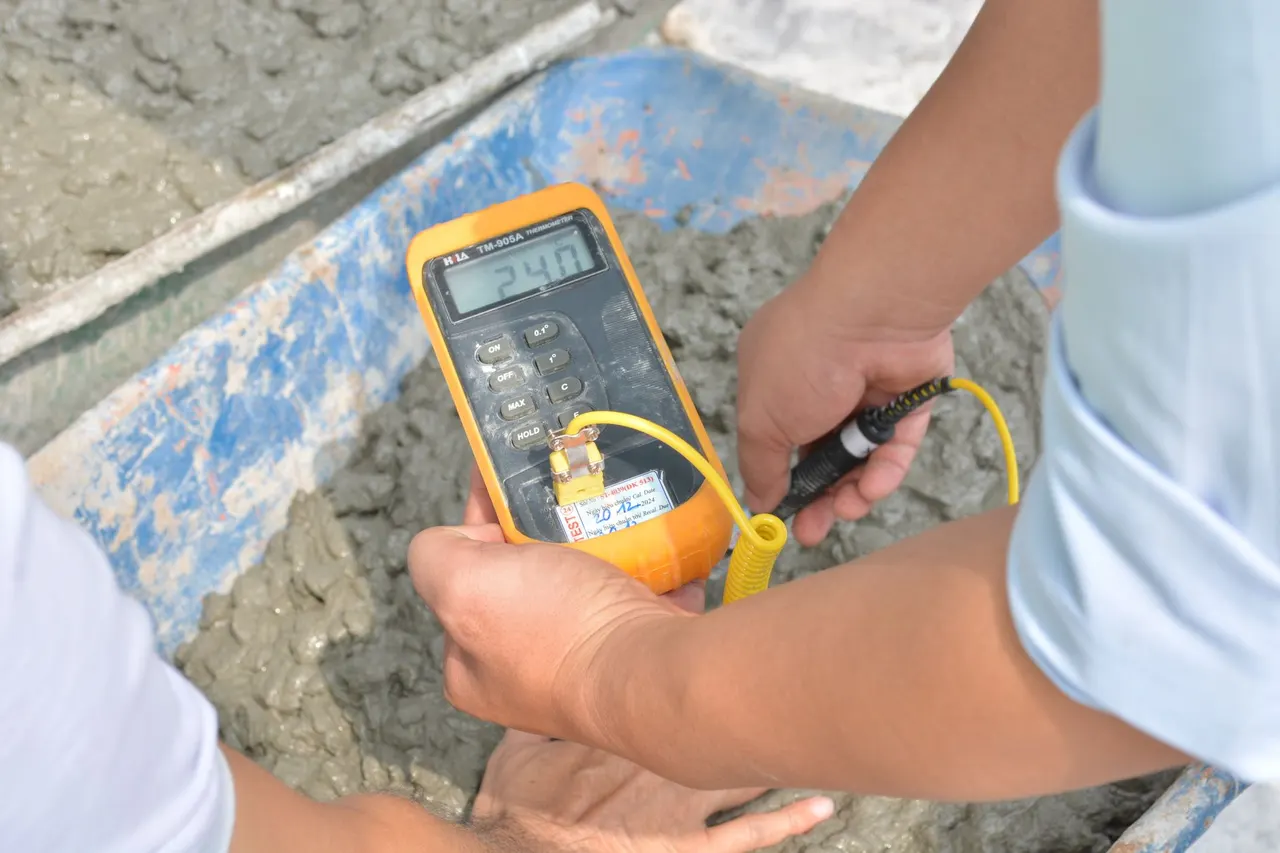

We test the water lines in your home and mark the leak location before any concrete is cut. You get a clear explanation of what we found and what the repair involves.
We schedule detection around your business hours so the water can be shut off briefly and the readings stay accurate. Property managers get a written location with photos for repair approval.
Electronic Leak Detection Princeton TX is a non-invasive diagnostic service that uses sound, heat, and pressure to locate a leak beneath a concrete slab or inside a buried water line. We pressurize the system, then walk the floor with an electronic leak detection system and an acoustic listening device, narrowing the sound of escaping water to a spot you could cover with a dinner plate. A thermal imaging camera confirms temperature differences where hot water is escaping. No demolition until we know where the leak is.
Most Princeton calls start the same way: a water bill that doubled, a hot spot on the floor near the hallway, or the sound of running water at 2 a.m. with every fixture shut off. Slab leaks are common in older copper pipe runs, and foundation movement in Collin County clay soil can crack a line under the slab. If you have been searching for electronic leak detection Princeton TX near me, we schedule a visit, test the line, and tell you what the reading means before any repair work begins.
We find the leak with sound and heat before anyone cuts the slab.
Every electronic leak detection service Princeton TX call follows the same sequence. You get a clear explanation at each step, and we do not start cutting until the readings agree on a location.
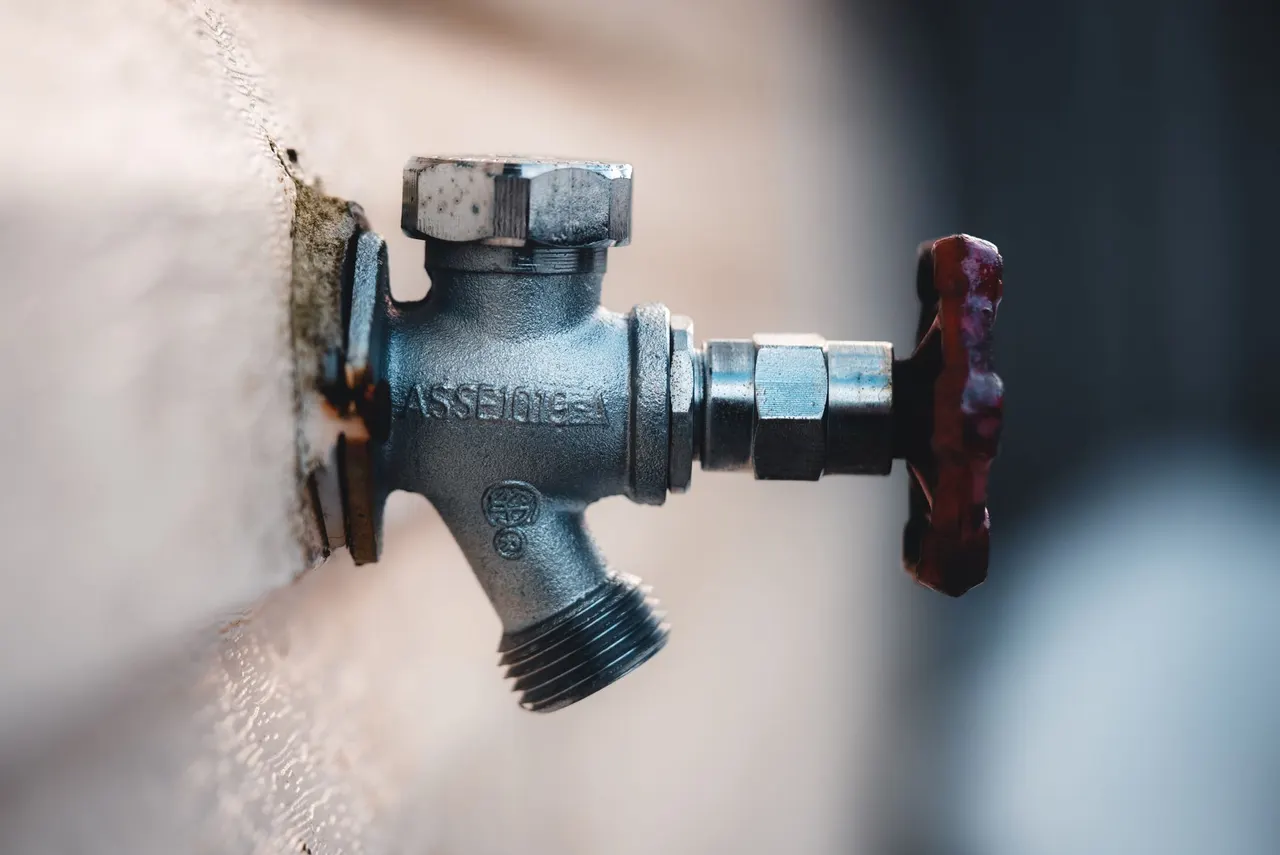
We start by shutting off fixtures and isolating the domestic water system so the meter tells us whether the leak is on the hot or cold side. You walk us through when you hear the water and where the floor feels warm. This step takes about 15 minutes and often narrows the search to one side of the house.

A hydrostatic test pump and pressure testing gauge charge the line to a set pressure. If the gauge drops, we know the line is losing water and roughly how fast. We test hot and cold separately, which tells us whether we are chasing a copper pipe or a PEX tubing run before we bring in listening gear.

We walk the slab with acoustic leak detection equipment, listening for the hiss or rush of water escaping under pressure. The technician marks each strong reading on the floor with tape. This pass usually takes 30 to 45 minutes on a standard single-story Princeton home and gives us a working search zone.
A thermal imaging camera scans the same zone for temperature differences. A hot water leak shows as a warm plume; a cold line shows cooler. When the acoustic mark and the thermal mark land on the same spot, we have a confirmed target. If they disagree, we keep testing rather than guess.

We mark the confirmed location, photograph the readings, and walk you through what we found. You get a clear explanation of the pipe material, the leak location, and the repair options, including spot repair, rerouting, or under-slab replacement. No work starts until you understand the plan and the price.
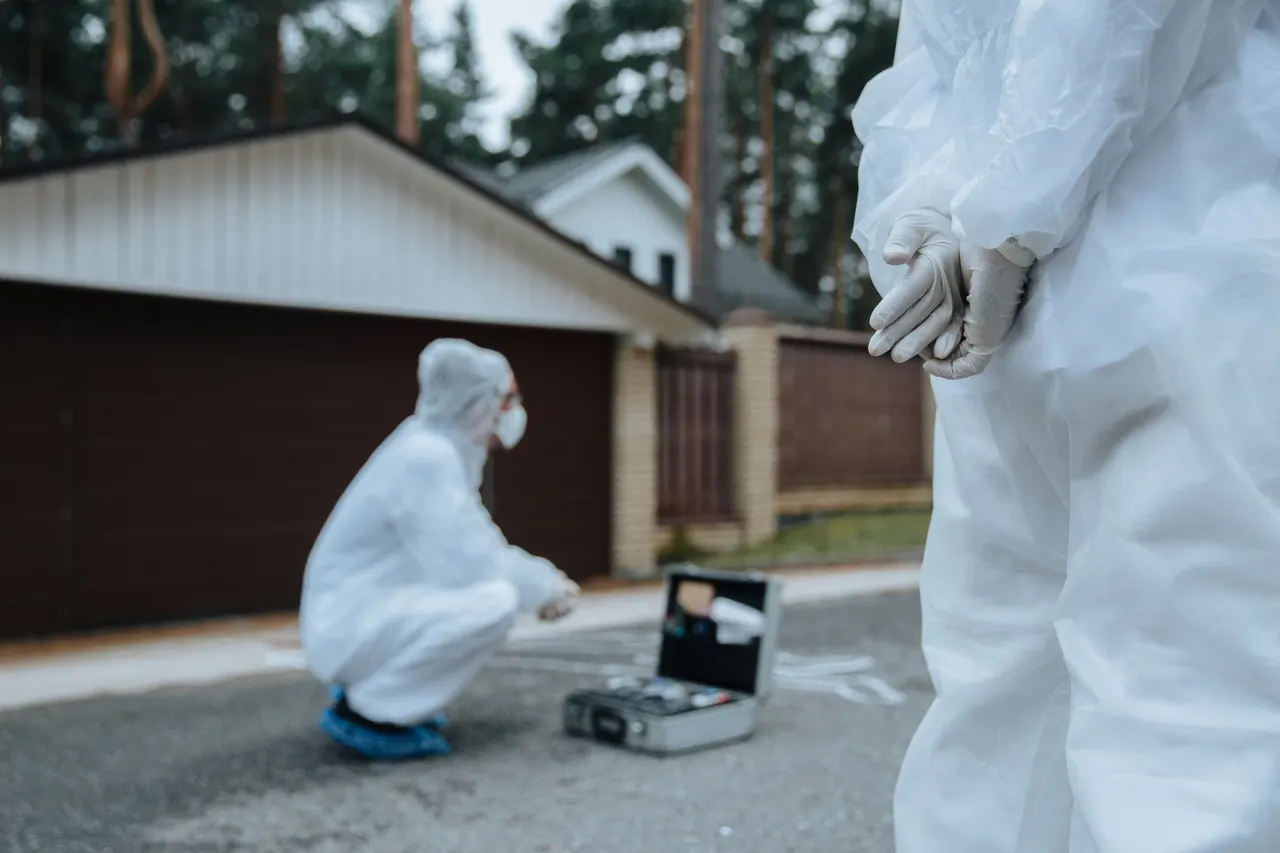
A ground microphone and amplifier listen for the sound of pressurized water escaping under the slab. We mark the loudest readings and use them to build a search zone.

The camera shows temperature differences on the floor. Hot water leaks appear as warm plumes, which confirms an acoustic mark or reveals a leak the ear alone might miss.

We charge the line to a set pressure and watch the gauge. A drop confirms the leak is real and tells us whether it is on the hot or cold side.
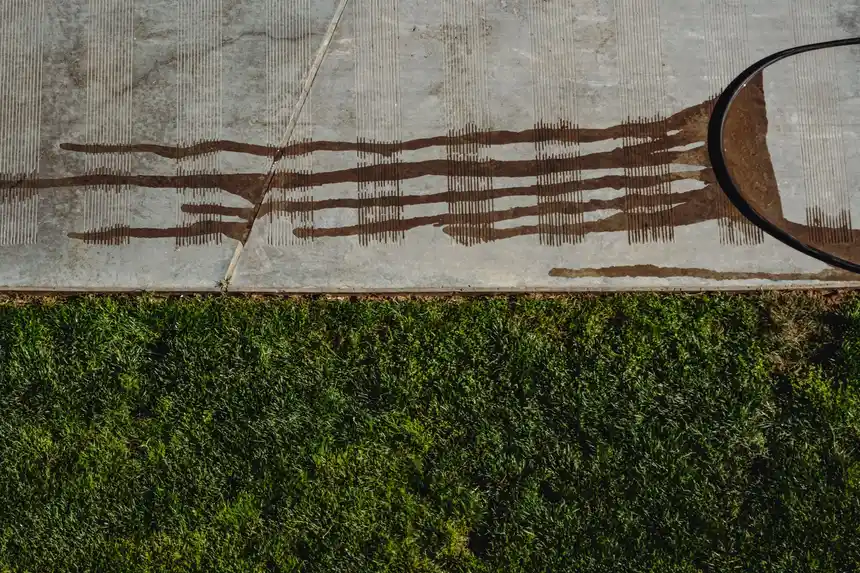
The locator traces the path of the pipe under the slab so we know exactly which run we are listening to and where a repair access cut should go.

We check flooring and adjacent walls for moisture migration. A leak under the slab can wick into carpet, baseboards, and drywall, and the meter shows how far the moisture has spread.

For drain and sewer concerns, the camera lets us look inside the pipe. It is not used for pressurized water lines, but it helps rule out a drain issue when symptoms overlap.

We shut off fixtures and isolate the hot and cold sides so each can be tested separately. This tells us which pipe is leaking and narrows the acoustic search before we walk the floor.
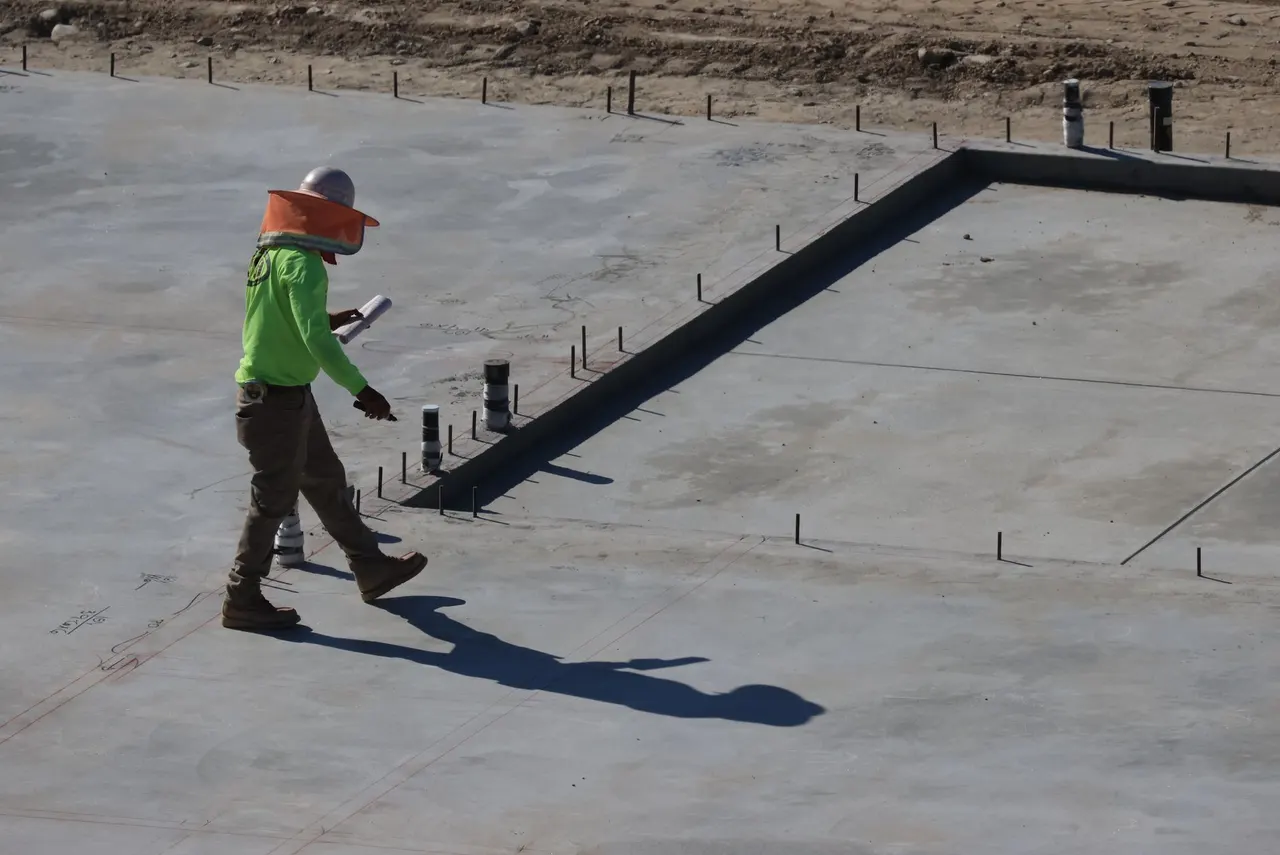
We do not mark a leak on one reading. Acoustic and thermal results have to agree on the same spot. If they do not, we keep testing or bring in a pipe locator to trace the line.
We run a pressure test and an acoustic sweep on the domestic lines so you know the current condition before closing. If a leak is active, we mark it and give you a repair estimate to use in negotiations. You get a documented reading of the plumbing under the slab instead of relying on a disclosure form.
We isolate the hot line, pressure test it, and use thermal imaging to confirm a hot water leak under the slab. Acoustic gear pinpoints the pipe, and we mark it for repair. The leak is located and repaired, and the water heater stops cycling to feed a line that is losing water.
We schedule a detection visit, test the lines, and provide a written location with photos. The property manager can approve the repair without a second diagnostic trip. The leak is documented and repaired quickly, limiting water waste and tenant complaints.
We pressure test the original repair area and the surrounding lines, then run acoustic and thermal passes to see whether the old repair is failing or a new leak has developed nearby. You know whether the issue is the old repair or a new leak, and the fix targets the right section of pipe.
Princeton sits on Collin County clay, and that soil moves with wet and dry cycles. A slab leak that saturates the clay can lead to foundation movement, so finding the leak early matters here more than in sandy-soil towns. The housing stock is a mix: older homes with copper pipe under the slab and newer builds in subdivisions like Arcadia Farms and Trails at Riverstone with PEX tubing. Copper fails at fittings and elbows; PEX can fail at crimp connections. We test both the same way, but we read the results differently. In November, as the weather cools and the heater runs, hot water line leaks become easier to spot with thermal imaging because the temperature difference across the floor is larger. If you are searching for electronic leak detection Princeton TX Collin County service, we cover the town and the surrounding neighborhoods from one local base, and we schedule same-day visits when the meter is spinning.
A homeowner heard water running at night and felt a warm strip on the hallway floor. The water bill had climbed by about $90 over two months. Two other plumbers suggested cutting a trench across the hallway to look for the leak.
We pressure tested the hot line, confirmed the loss, and used acoustic and thermal tools to mark the leak within about a foot. The repair crew cut one 18-inch access hole, replaced a failed copper elbow, and pressure tested the line. The flooring patch was small enough to match the existing tile.
We recommended checking the water meter once a month with all fixtures off. A steady movement on the dial means a new leak, and catching it early keeps the repair small.
A family noticed the water bill had doubled and the kitchen floor felt cool in one spot. The home had PEX tubing and the leak was under a finished tile floor. They wanted to avoid tearing up the whole kitchen.
Electronic detection marked the leak at a crimp fitting about 14 inches from the cabinet toe kick. We rerouted the line through the attic instead of cutting the tile, and the water bill returned to normal the next cycle. The kitchen floor stayed intact.
We suggested keeping an eye on the attic run during the first freeze each winter and insulating any exposed PEX near the exterior wall.
A tenant reported hearing water run at night. The property manager had no record of the plumbing layout and did not want to authorize exploratory demolition. The water bill was up about 40 percent.
We tested both units on the property in one afternoon, confirmed a cold line leak in one, and provided a written location with photos and a thermal image. The spot repair was approved and completed the same week, and the bill dropped back to its normal range.
We set up a reminder to recheck the meter at the property each quarter, which gives the manager an early warning before a tenant notices a problem.
Most slab leaks announce themselves with a bill, a sound, or a warm floor. Electronic detection turns those clues into a location, so the repair is targeted and the guesswork stops.

We pressure test the line to confirm the loss, then use acoustic and thermal tools to find the leak. Once it is marked, we can isolate or repair the line and stop the water loss, usually within a day of the detection visit. A slab leak can waste thousands of gallons a month and keep climbing until the line is isolated. Left alone, it also saturates the soil under the foundation and can worsen foundation movement.

An acoustic sweep follows the sound to its loudest point. We confirm with thermal imaging, mark the spot, and explain whether a spot repair or reroute is the better fix for that line. That sound is pressurized water escaping under the slab. It does not stop on its own, and the longer it runs, the more soil erodes under the foundation.

A thermal imaging camera makes the hot water plume visible, and an acoustic pass confirms the pipe. We mark the leak and price the repair, including how much flooring needs to come up for access. A warm patch usually means a hot water line is leaking under the slab. It can warp flooring and keep the water heater running constantly, which raises both water and energy bills.

We find and mark the leak first, document the moisture readings, and repair the line. Once the water source is stopped, the soil can dry and any foundation repair can be evaluated on stable ground. Water under a slab softens Collin County clay, and the soil movement can crack interior walls and stick doors. Fixing the foundation without fixing the leak lets the damage continue.
Acoustic and thermal readings narrow the leak to within about a foot before we touch the slab. That means one saw cut instead of exploratory demolition across a hallway. On a typical Princeton slab leak, that difference alone can save several hundred dollars in concrete and flooring work.
A slab leak can waste thousands of gallons a month and quietly push your bill up. Once we pinpoint the line, we can isolate or reroute it and stop the loss. Most customers see their next water bill return to normal after the repair is complete and the line is pressure tested.
Water under a slab softens the soil and can worsen foundation movement, especially in Collin County clay. Finding the leak early limits how much soil gets saturated. We mark the leak, document the moisture readings, and give you a repair plan before the damage spreads to adjacent rooms.
Hot water slab leaks show up as warm spots on the floor. A thermal imaging camera makes that visible in seconds, and an acoustic pass confirms the exact pipe. We use both because one tool alone can be fooled by a return line or a nearby drain, and a wrong call costs you concrete.
Clear records you can keep and share.
Tape on the floor at the leak
Gauge photos before and after
Saved images of the leak area
A pressure drop confirms water is escaping, and the acoustic and thermal tools show where. The two readings together are what make the location reliable enough to cut.
The gauge confirms the line is losing water. Without a pressure drop, an acoustic sound may be a drain or a fixture, not a slab leak.
The acoustic tool finds the loudest leak sound and gives us a search zone. We mark each strong reading so the zone shrinks with every pass.
The thermal camera shows the temperature difference at the leak. When the warm or cool spot matches the acoustic mark, we have a location we can trust.
Outside these areas? Call and ask if we cover your street. +1 345 567 8766
Electronic leak detection pressurizes your water line, then uses acoustic listening gear and a thermal imaging camera to find where water is escaping under the slab. The acoustic tool hears the leak; the thermal camera confirms it. When both readings land on the same spot, we mark it. The whole process usually takes one to two hours on a standard Princeton home, and no concrete is cut during detection.
Typical 2026 pricing for electronic leak detection in the Princeton area runs $250 to $550 for a residential slab leak, depending on how many lines we test and how hard the leak is to hear. The visit includes pressure testing, an acoustic sweep, and thermal confirmation. If you need emergency electronic leak detection Princeton TX 24/7 service, call and we will tell you the after-hours rate before we come out.
Yes. When acoustic and thermal readings agree, electronic detection pinpoints a slab leak to within about a foot, which is accurate enough to cut a small access hole instead of a trench. Accuracy drops on very deep lines or lines buried in gravel, so we pressure test first to confirm the leak is real. We do not mark a spot until two tools agree.
We use a hydrostatic test pump and pressure testing gauge to charge the line, acoustic leak detection equipment to hear the leak, a thermal imaging camera to confirm temperature differences, and a pipe locator to trace the line under the slab. Brands on our trucks include RIDGID, Fluke, and Sewerin. For sewer or drain concerns, we also carry a video pipe inspection camera.
If your water bill jumped or you hear water running with the fixtures off, call ClearSlab Solutions. We schedule same-day and next-day visits for Electronic Leak Detection Princeton TX and tell you the price before we come out. One call, a confirmed leak location, and a repair plan you can act on.
Call us at +1 345 567 8766 or email info@clearslabsolutions.com. We answer the phone during business hours and return after-hours messages first thing the next morning. Most Princeton jobs get a same-day or next-day arrival window. If you have a water bill in hand, have it ready.