Written scope
The route and fixtures listed before we start.
Slab Leak Rerouting Princeton TX is the fix when a line under your floor keeps leaking and spot repairs keep failing. We run a new line overhead or through the walls, cap the old one, and pressure-test the whole run before we call it done. If you are hearing water under the floor or watching your bill climb, call ClearSlab Solutions.
Every reroute includes detection, the new line, the pressure test, and cleanup. We tell you upfront what the job covers so there is no mid-job surprise. If the leak turns out to be a fixture or irrigation line, we credit the detection toward the repair.

Homes on slab foundations in Princeton often face repeat leaks on the same copper line. We route the new line through the attic or walls and cap the old one so your floor stays intact.
Rental units, small offices, and retail spaces need the water back on without a long shutdown. We schedule the reroute around your operating hours and test the new line before we leave.
Slab Leak Rerouting Princeton TX is the process of abandoning a leaking under-slab water line and running a new line through the attic, walls, or ceiling cavity instead. We isolate the bad line, confirm it with acoustic leak detection equipment and a pressure testing gauge, then route PEX tubing or copper pipe to the fixtures it served. The old line gets capped and left in place, so we are not breaking up your floor to chase a pipe that has already failed.
Most Princeton homeowners call us after a spot repair on a copper pipe did not hold, or after a high water bill showed up with no visible leak. Homes in Abbey Crossing and Park Trails built in the 1990s and 2000s are hitting the age where pipe corrosion and foundation movement start working on the same line. A slab leak reroute in Princeton solves the problem permanently instead of patching it a third time.
We confirm the leak, route the new line overhead, and pressure-test before the walls go back.
Every reroute follows the same five steps. You get a clear scope, a start time, and a tested line at the end.

We start with electronic leak detection and acoustic listening to pin down the exact line. A hydrostatic test pump and pressure testing gauge confirm the leak is in the under-slab run and not a fixture or irrigation line. This usually takes 60 to 90 minutes.
We trace where the new line can run through the attic or wall cavities and mark every penetration. You see the route before we cut anything. On a typical Princeton single-story, the new run covers 40 to 80 feet of PEX tubing.
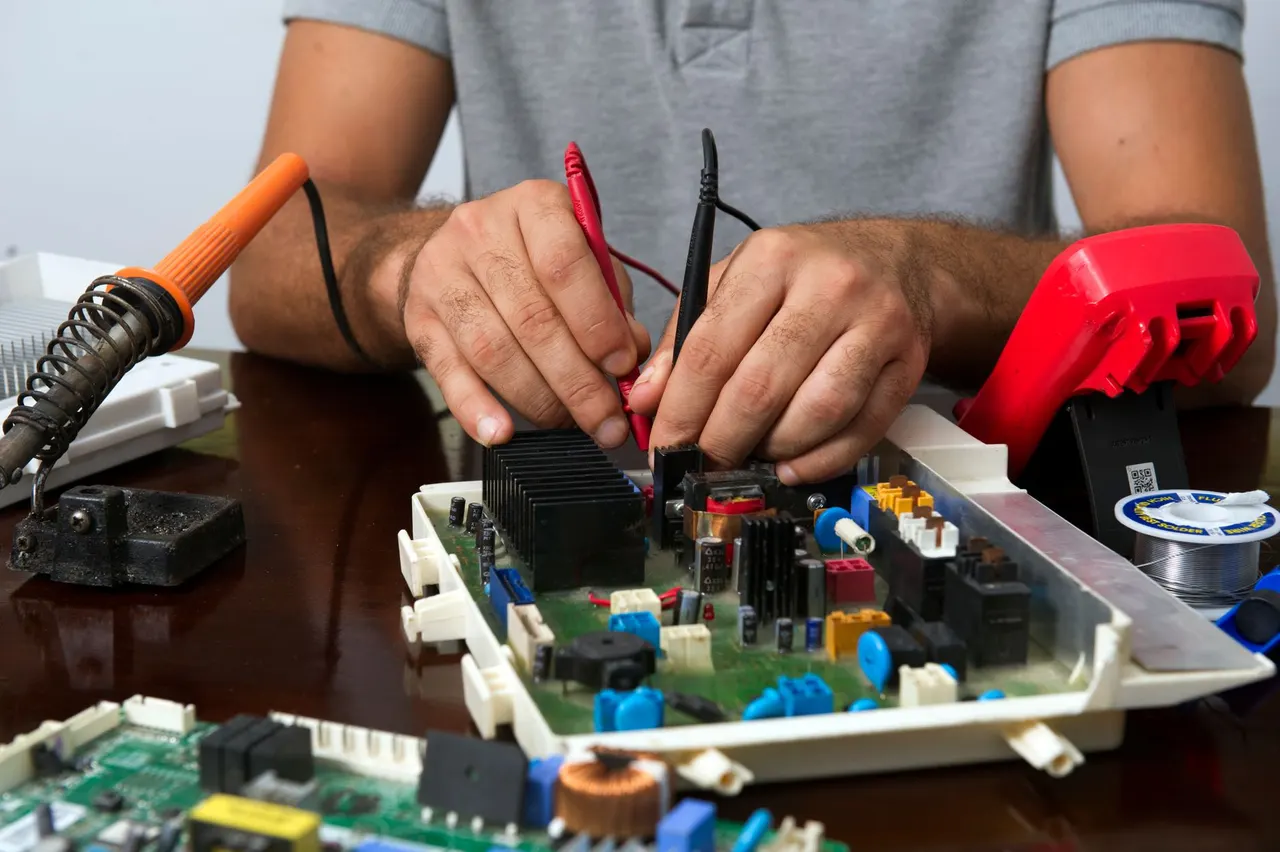
We cut in at the source and at the fixtures, fish the new line through, and secure it with pipe clamps. Copper pipe is used where code or existing connections call for it. Most of this work happens in the attic and walls, not in your living space.

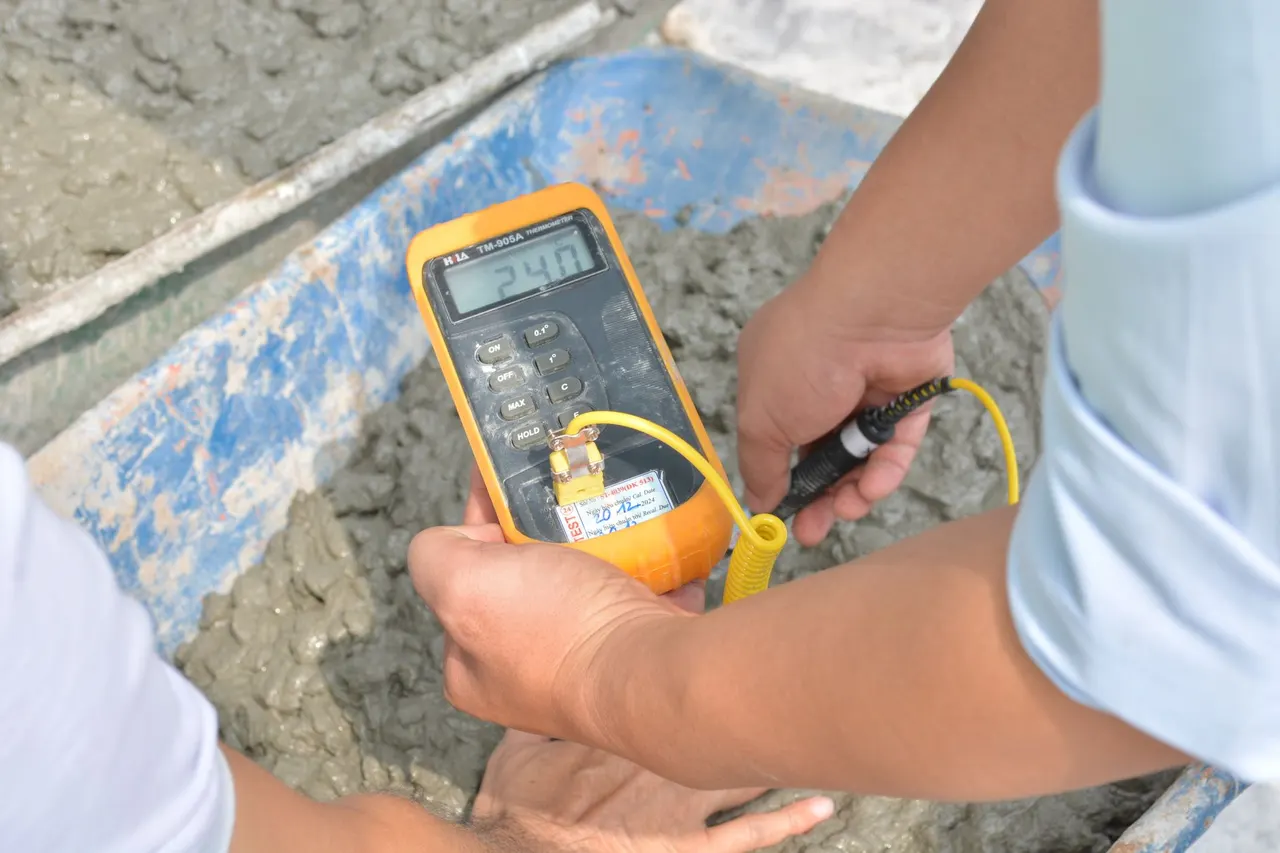
The old line gets capped at both ends. We fill the new run and hold it under pressure for at least 30 minutes, then check every joint with a moisture meter. If it does not hold, we find it now, not after the drywall goes back.

We patch the small access points, clean up, and walk you through what changed. You get the test results and a clear picture of which fixtures are now on the new line. The whole job is usually done in one to two days.
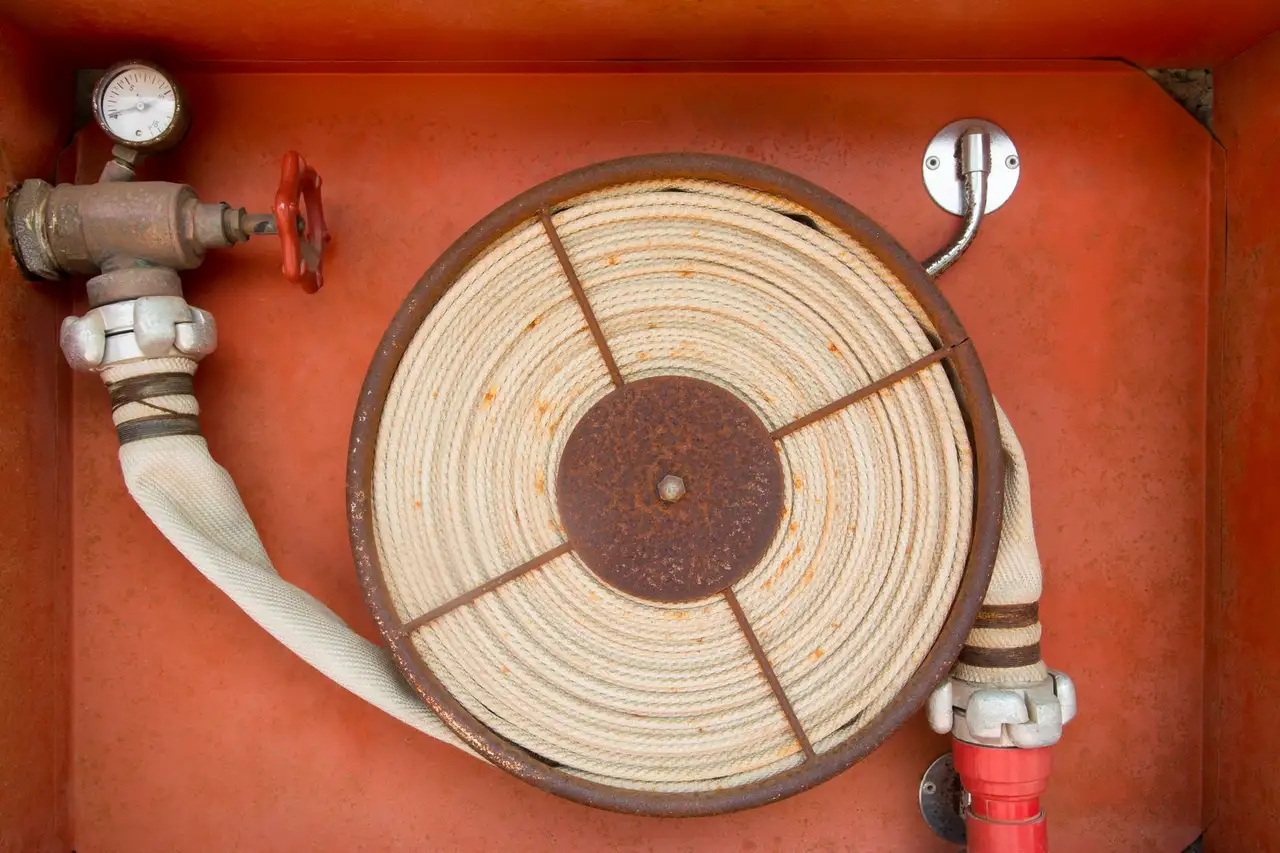
Listens for the sound of water escaping under the slab and pinpoints the line before we open anything.
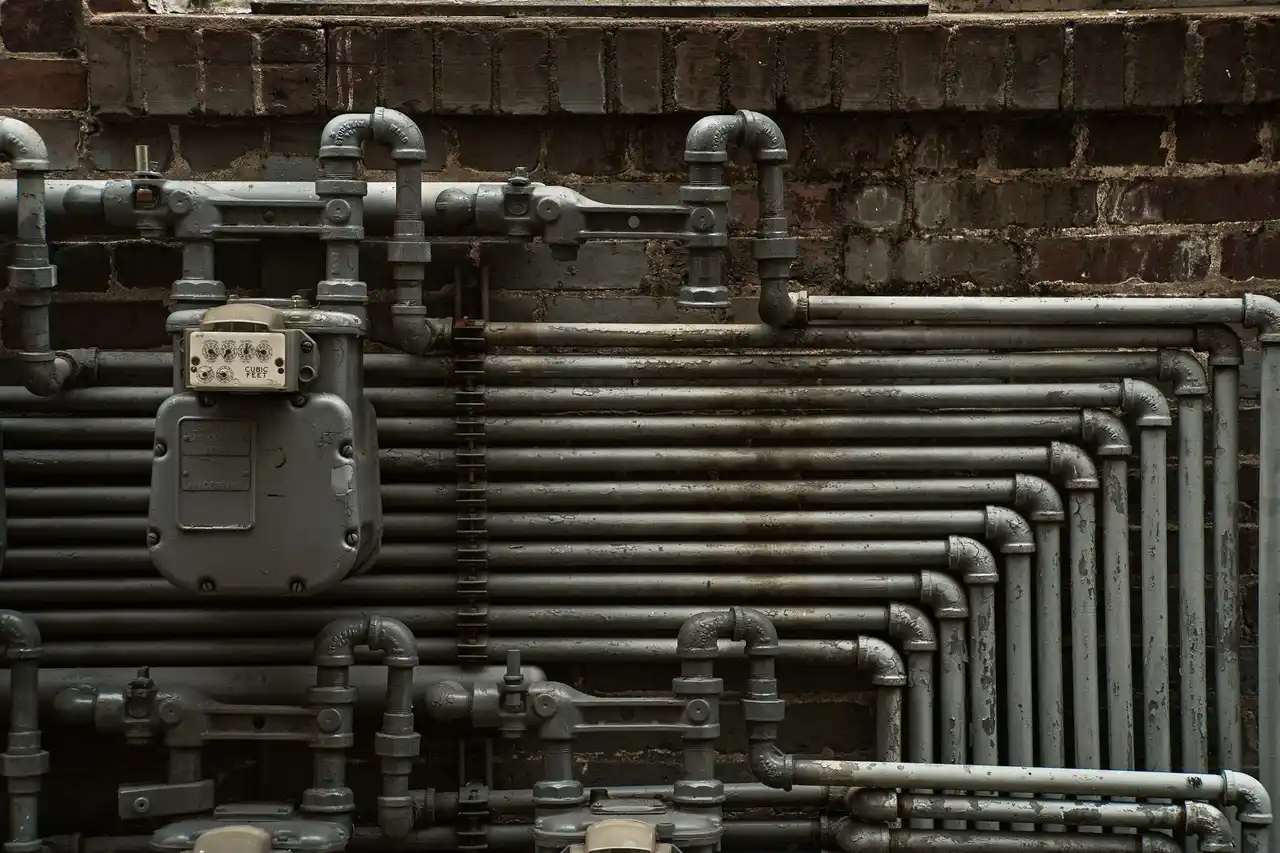
Shows hot spots on floor and moisture patterns that listening alone can miss, especially on hot water lines.
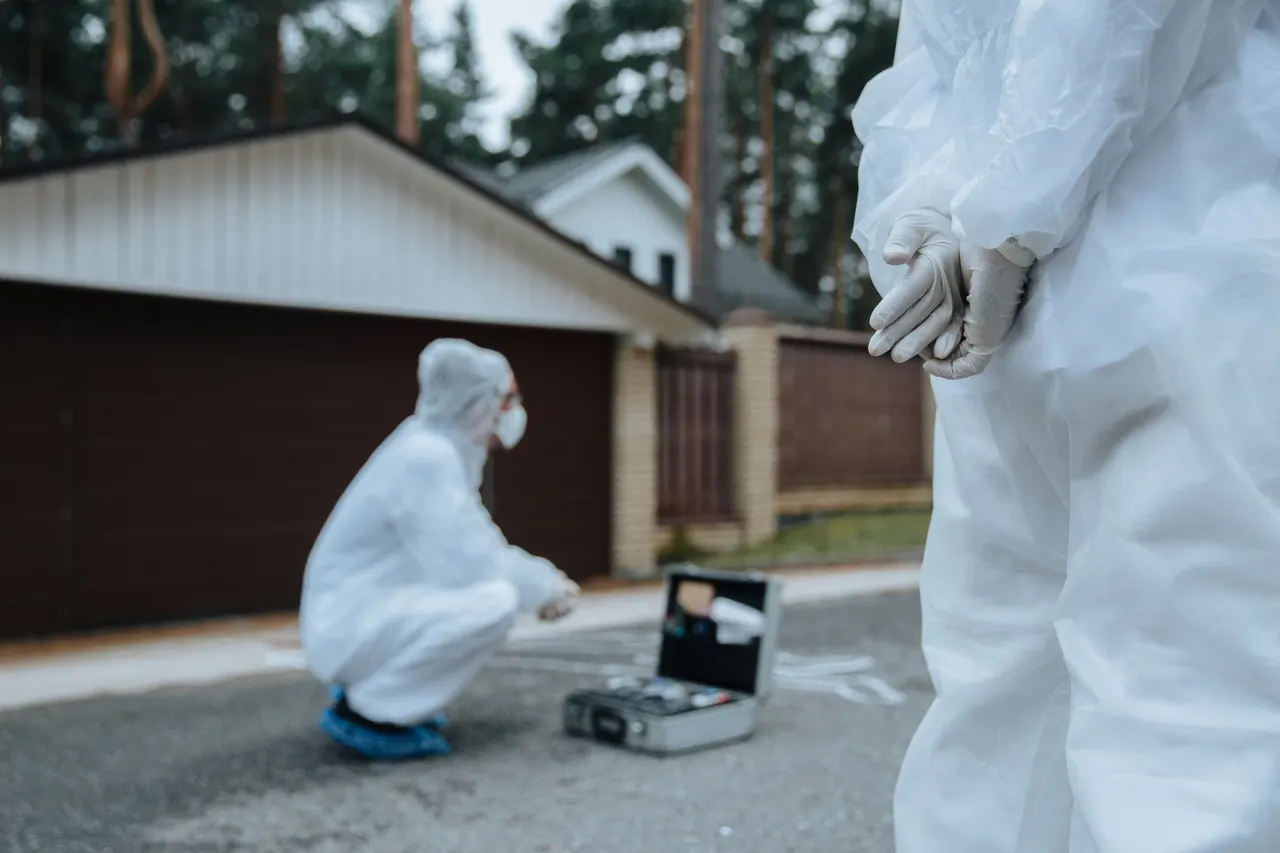
Confirms the leak is in the under-slab run and proves the new line holds before we close the walls.
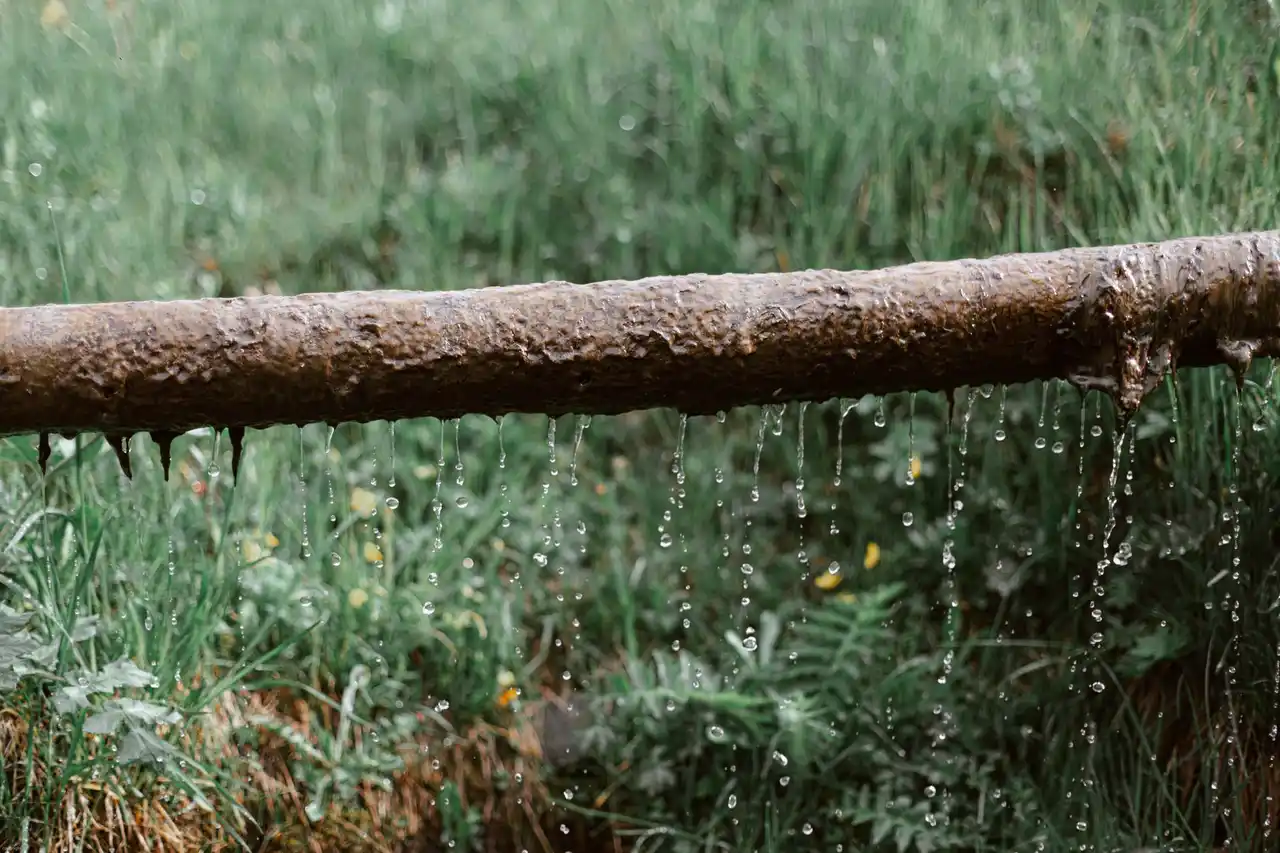
Lets us look inside the line to see corrosion, scale, or a break that explains why the leak keeps returning.

Checks joints and surrounding material for moisture after the pressure test, so a slow weep does not get missed.
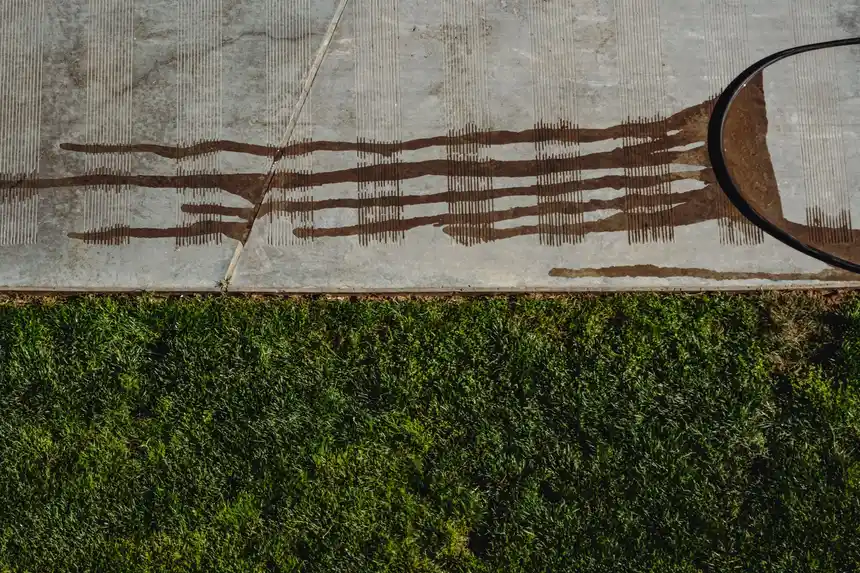
Traces the path of the existing line so the new route avoids it and ties in at the right points.

We isolate sections of the water line and pressurize them one at a time. This tells us which run failed and whether a second line is close behind, so the reroute scope is based on the whole system, not one hole.

The new line runs through the attic and down interior walls to the fixtures. This is the most common approach in Princeton single-story homes because it avoids the slab entirely and keeps access points small.
We confirm the run with acoustic detection and pressure testing, then reroute the whole line through the attic in PEX. The old copper is capped and left in place. No more spot repairs on that line, and the water bill returns to its normal range on the next cycle.
We prioritize detection and reroute the hot water line, pressure-test it, and restore hot water to the fixtures. The tenant stays in place during the work. Hot water is back within two days and the owner has documented test results for the file.
We map a route through the interior walls and attic, run the new line, and cap the failed one. No slab access is needed. The floor stays intact, the leak stops, and the job is finished in a day and a half.
We route the new line through the attic and down the wall chase to the bathroom, then pressure-test the full run before closing the access. The upstairs fixtures are back on a new line and the old under-slab run is out of service.
Princeton sits on expansive clay soil, and that is the detail that shapes most reroutes here. The clay swells when it gets wet and shrinks when it dries, so a slow under-slab leak does not just waste water, it moves the foundation. Homes in Abbey Crossing, Park Trails, and Cypress Bend built in the 1990s and 2000s are now at the age where copper pipe corrosion and foundation movement meet on the same line. That is why we run detection first and route the new line overhead whenever the attic allows it. Collin County follows the Texas State Board of Plumbing Examiners rules, and we pull the right permits and pressure-test to code before we close anything. If you are comparing slab leak reroute cost Princeton TX against another spot repair, the reroute is usually the cheaper number over five years. We also serve the 75407 ZIP and the surrounding Collin County neighborhoods, and we can usually get detection scheduled within a day.
A Park Trails homeowner had two spot repairs on the same under-slab copper line in four years. The third leak showed up as a hot spot on the hallway floor and a water bill that jumped by $90 in one month.
We rerouted the line through the attic in PEX, capped the old copper, and pressure-tested the new run for 30 minutes. The floor cooled down within a day and the next water bill was back to its normal range.
Keep an eye on the water bill for the first two cycles. If it stays flat, the reroute is holding. We also note the new line's route on your paperwork for future work.
A Princeton Place rental had a hot water line leak under the slab. The tenant was without hot water and the owner was facing a third floor tear-out on a unit that had already had two repairs.
We confirmed the leak with acoustic detection, rerouted the hot water line through the wall chase, and had hot water back to the fixtures in two days. The tenant stayed in the unit the whole time.
Check the access patch for cracks after the first month. The pressure test results are on file if the owner needs them for insurance or a future sale.
A Cypress Bend homeowner saw the water bill double with no visible leak. A moisture meter showed damp soil at the slab edge and acoustic detection confirmed an under-slab leak on a cold water line.
We rerouted the cold line overhead, capped the failed section, and held the new line under pressure for 45 minutes. The meter stopped spinning and the damp spot at the slab edge dried out over the next two weeks.
Watch the slab edge for new damp spots after heavy rain. The reroute removed the leak, but the clay soil still needs normal drainage to stay stable.
A reroute is the answer to a specific set of problems: repeat leaks, climbing water bills, and moisture that will not go away. If any of these sound familiar, we can confirm the cause and tell you whether rerouting is the fix.

We reroute the entire run instead of patching the newest hole. The new line goes overhead, the old one is capped, and the cycle stops. You pay once for a fix that holds pressure. Each repair costs money and opens the floor again, and the third leak is usually already forming. Corroded copper fails in runs, not single points.
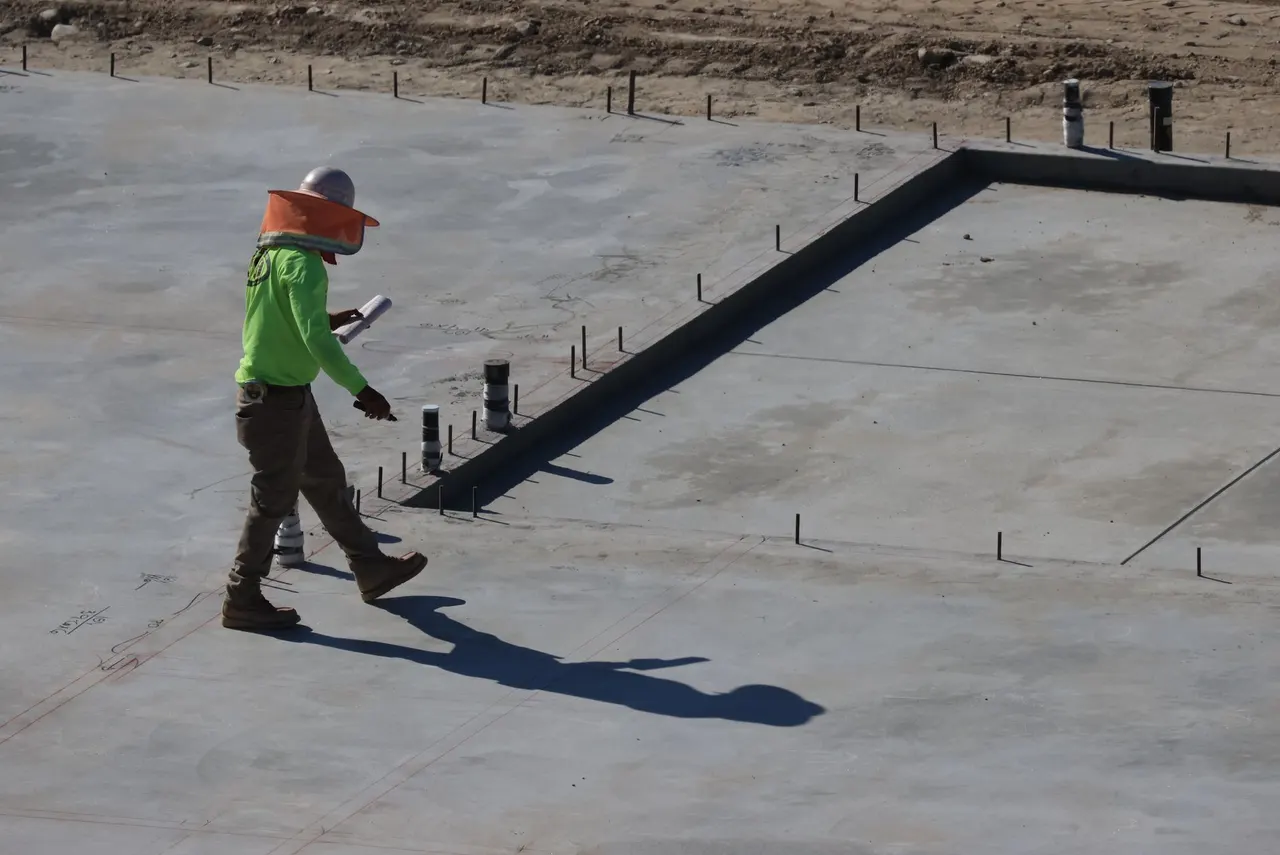
We confirm the leak with acoustic and thermal detection, then reroute the failed line. Once the old line is capped, the meter stops spinning and the slab starts drying out. An under slab leak can waste thousands of gallons a month and soften the soil under your foundation. Left alone, it turns into foundation movement and cracked slab.

We locate the hot water line, reroute it through the attic, and pressure-test the new run. The floor cools down and the water heater stops cycling. Most jobs are done in one to two days. A hot water line leak under the slab warms the floor and keeps the carpet damp. It also drives up the gas or electric bill because the water heater never stops running.
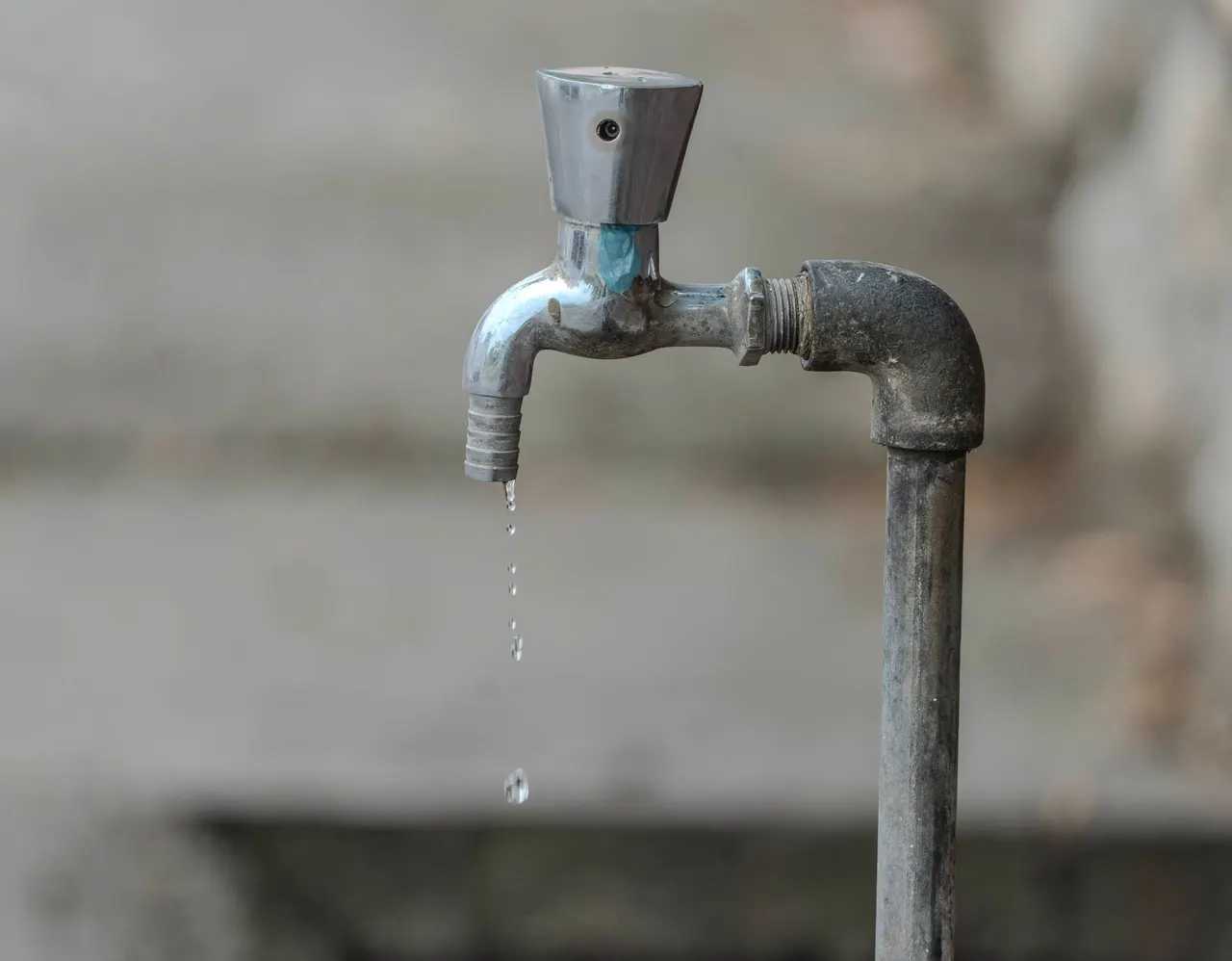
A reroute avoids the slab entirely. We cut small access points in the walls and attic, run the new line, and patch them. No concrete work, no tile replacement, and a tested line at the end. Jackhammering a slab means concrete dust, patched tile, and days of disruption. Doing it a second time for the same line is the worst outcome.
We do not jackhammer your slab to reach the failed line. The new run goes overhead or through interior walls, which means no concrete dust, no patched tile, and no week of living around a construction zone. Most reroutes are finished in one to two days.
Spot repairs on corroded copper tend to fail again within 12 to 24 months. A slab leak rerouting services Princeton TX job replaces the entire run, so you are not paying for the same diagnosis and the same access twice. You get one repair and a line that holds pressure.
An under slab leak can waste thousands of gallons a month before you see a puddle. Once the new line is live and the old one is capped, the meter stops spinning. Princeton customers routinely see their bill fall back to its normal range on the next cycle.
Constant moisture under a slab softens the soil and leads to foundation movement, cracked slab, and sticking doors. Rerouting removes the source. We also check for hot spots on floor and moisture with a moisture meter before we close out, so you know the slab is drying out.
Clear records you can keep and share.
The route and fixtures listed before we start.
Hold time and joint check on paper.
Where we cut and how we patch it.
A reroute leaves the old line in the slab and runs a new one overhead. A replacement opens the slab and puts a new line in the same place.
The old line is capped and abandoned. The new line runs through the attic or walls, so the floor is not opened.
The slab is opened and the old line is removed. This is used when the route overhead is not practical or the line cannot be abandoned.
Only the failed section is fixed. This works when the pipe is sound, but it does not stop a corroded run from leaking again.
Outside these areas? Call and ask if we cover your street. +1 345 567 8766
Slab leak rerouting means running a new water line above the slab and capping the failed one, and you need it when a spot repair has already failed or the line is corroded. If your Princeton home has had two leaks on the same run, a reroute is cheaper than a third repair. We confirm with pressure testing before recommending it.
Most slab leak reroute cost Princeton TX jobs land between $2,400 and $5,800 in 2026. Line length, attic or wall access, and whether we are working around finished drywall drive the number. A single-story ranch with an open attic is on the low end; a two-story with tight chases runs higher. You get the price before we start.
Most homeowners policies cover the water damage and the access needed to reach the leak, but not the pipe repair itself. That means the reroute is usually out of pocket while the drywall and flooring repair may be covered. We document the leak location and cause so you have what your adjuster asks for.
A typical reroute takes one to two days, with the pressure test and cleanup on the second day. Detection and routing happen on day one, and the new line is usually live by the end of it. Larger homes or jobs with multiple fixtures on the failed line can run into a third day.
If your water bill jumped or you hear water under the floor, call ClearSlab Solutions. We confirm the leak, quote the reroute upfront, and pressure-test the new line before we leave. Same-day detection is available in most of Princeton.
Call us at +1 345 567 8766 or email info@clearslabsolutions.com. We answer the phone during business hours and return after-hours messages first thing the next morning. Most Princeton jobs get a same-day or next-day arrival window. If you have a water bill in hand, have it ready.