Marked location
Leak spot taped on the floor
lab Leak Detection Cost Princeton TX covers the diagnostic work that finds a slab leak before anyone breaks up your floor. We run acoustic leak detection equipment, a thermal imaging camera and a pressure testing gauge through Princeton, Texas homes, then hand you a written number for the repair. Most visits land between $185 and $450, and you get the findings the same day.

The diagnostic fee covers the full detection visit and the written findings. Repair work is quoted separately after you see the results, so nothing is bundled into a number you cannot check.

We test your supply lines, listen through the slab and show you the leak location before any concrete is cut. You get the findings and the repair price in the same visit.
We schedule detection around your operating hours and document every reading for your property records. You get a written report you can hand to an adjuster or a landlord.
lab Leak Detection Cost Princeton TX is the diagnostic service that pinpoints a water line leak under a concrete slab using acoustic listening, thermal imaging and pressure isolation rather than guesswork. We pressurize each branch of your plumbing, listen for the hiss of escaping water, and map the temperature difference the leak leaves on the floor above it. That combination tells us which line failed, how far it runs, and whether a spot repair or a reroute makes more sense for your house.
Princeton sits on a mix of clay-heavy soil and newer subdivision fill, and both move with our wet springs and dry summers. That movement cracks slabs and shears copper pipe, which is why high water bills and warm spots on the floor show up so often in Collin County. If you have watched your meter spin with every fixture off, an affordable lab leak detection Princeton TX visit is cheaper than another month of paying for water you never used.
We find the leak with instruments first, then open only the slab we have to.
Every lab Leak Detection Cost Princeton TX appointment follows the same five steps. Most houses are finished in two to three hours, and you get the findings before we pack up.

We start at your water meter and shut every fixture in the house. If the dial still moves, you have a leak on the supply side. We note your last two water bills, ask when you first noticed the hot spot or the sound, and log the slab type. This takes about fifteen minutes and tells us where to focus.

Using a hydrostatic test pump and pressure testing gauge, we isolate the hot and cold branches and hold each one under pressure. A branch that will not hold tells us which side of the system failed. We record the starting and ending psi so you can see the drop on paper.
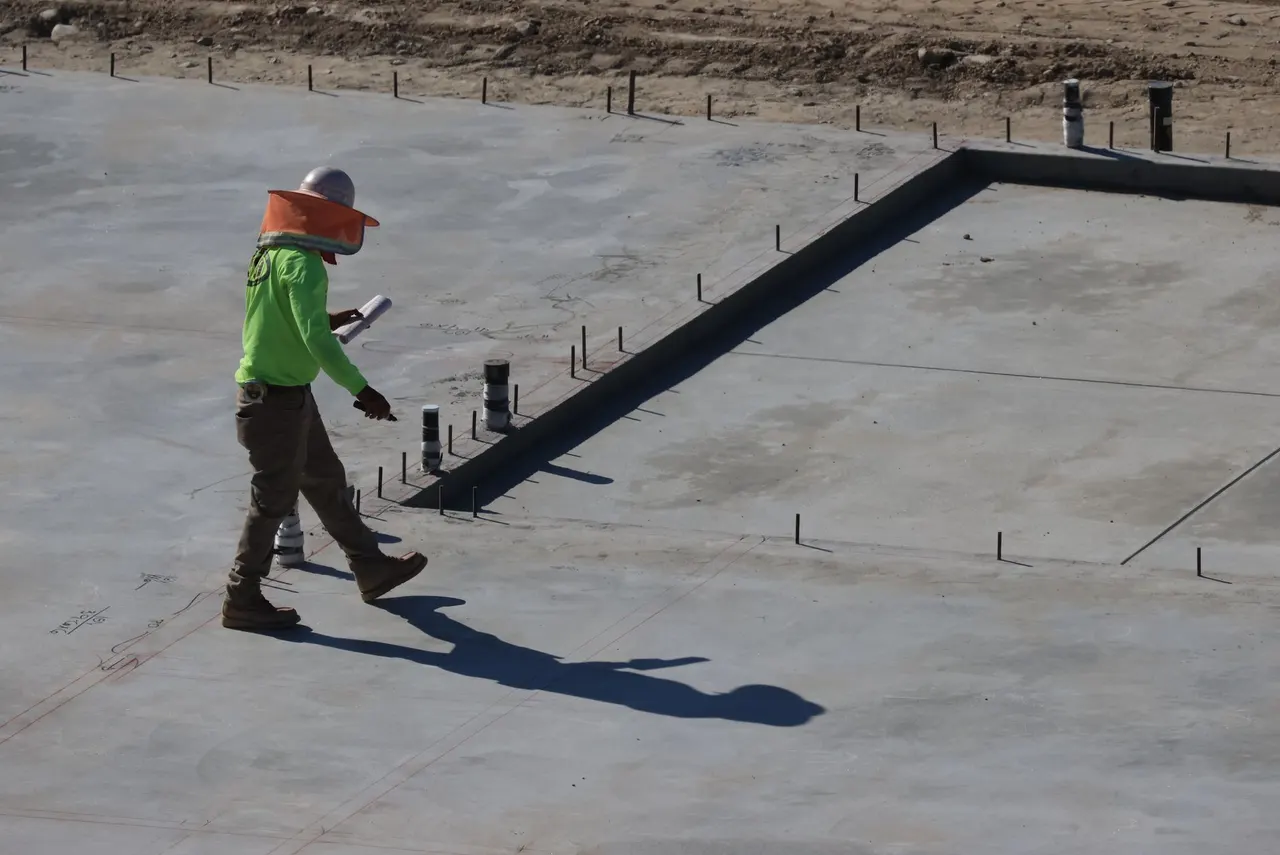
We walk the floor with acoustic leak detection equipment and a Fluke thermal imaging camera. The microphone picks up the frequency of water escaping a pressurized pipe; the camera shows the warm or cool stripe the leak leaves under the slab. When the two agree, we have your location.
On drains and uncertain hits we run a video pipe inspection camera or a pipe locator to confirm depth and direction. This is where a Sewerin or RIDGID locator earns its keep, especially on older Princeton homes with copper pipe that has already been patched once.
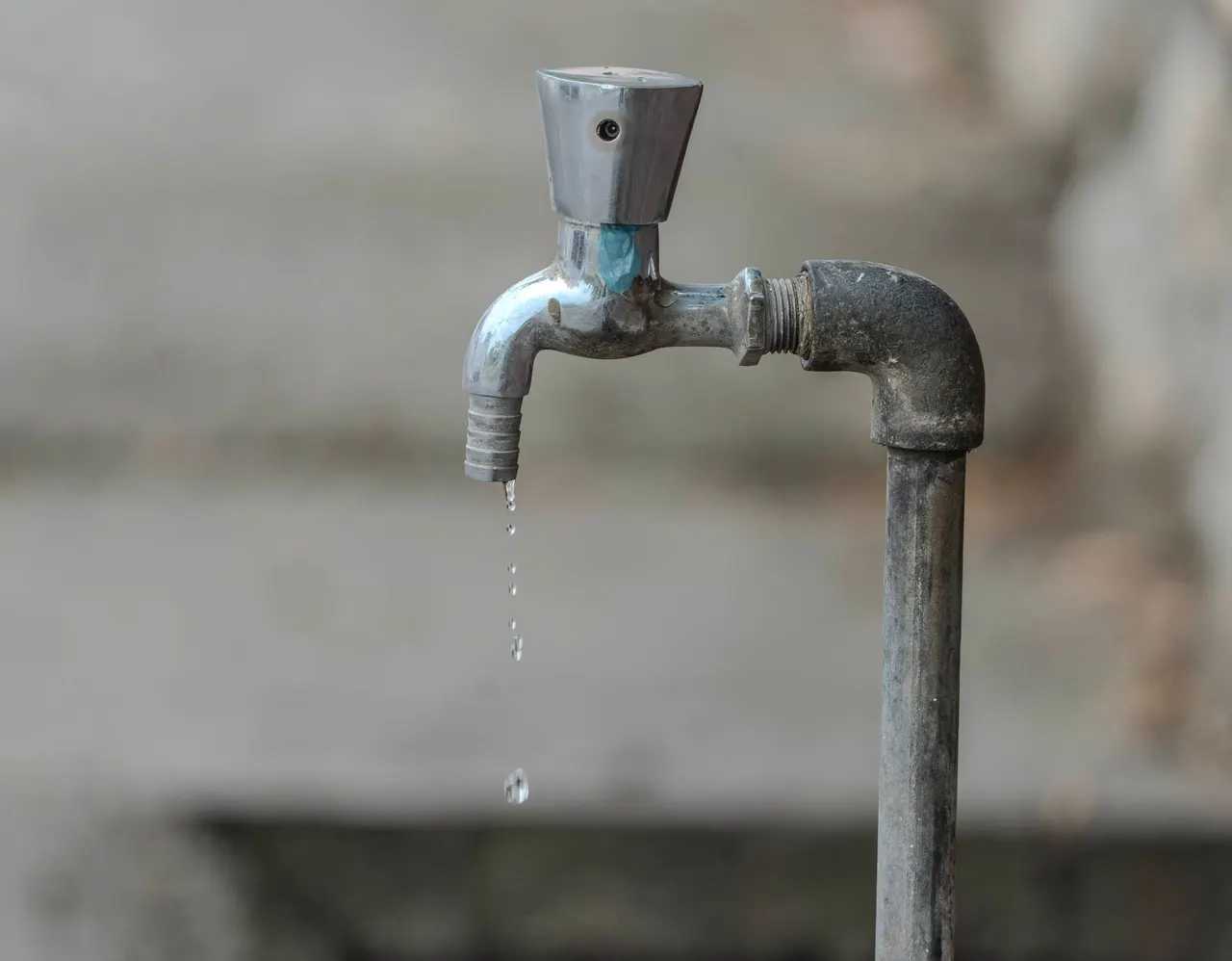
We mark the spot on the floor, photograph the readings, and write up the findings. You get the detection total plus the price for spot repair, rerouting or under-slab replacement. No work starts until you pick a path.

Ground microphones that pick up the frequency of pressurized water escaping a pipe under concrete. This is the primary locator on most supply-side leaks.

Shows the warm or cool stripe a leaking line leaves under the slab. Confirms the acoustic hit and works fast on hot-water leaks.

Isolates the hot and cold branches and holds each under pressure. The psi drop tells us which side of the system failed.

Confirm the depth and direction of the failed line so the repair crew opens the right spot and nothing more.
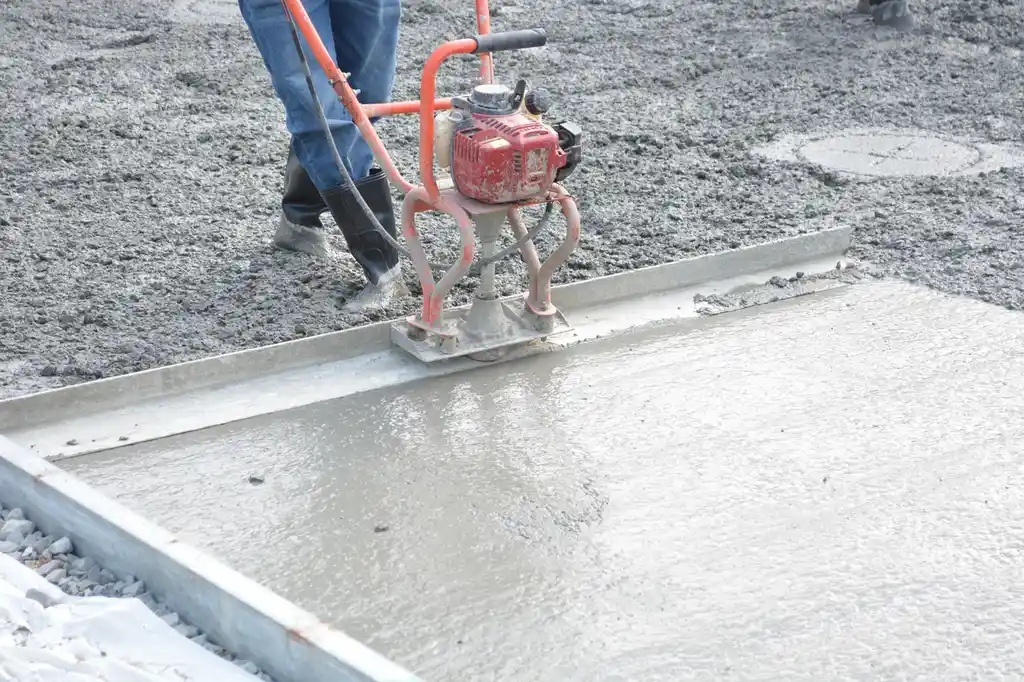
Used on drain-side leaks and on lines that have already been patched, to see the inside of the pipe before we quote a fix.
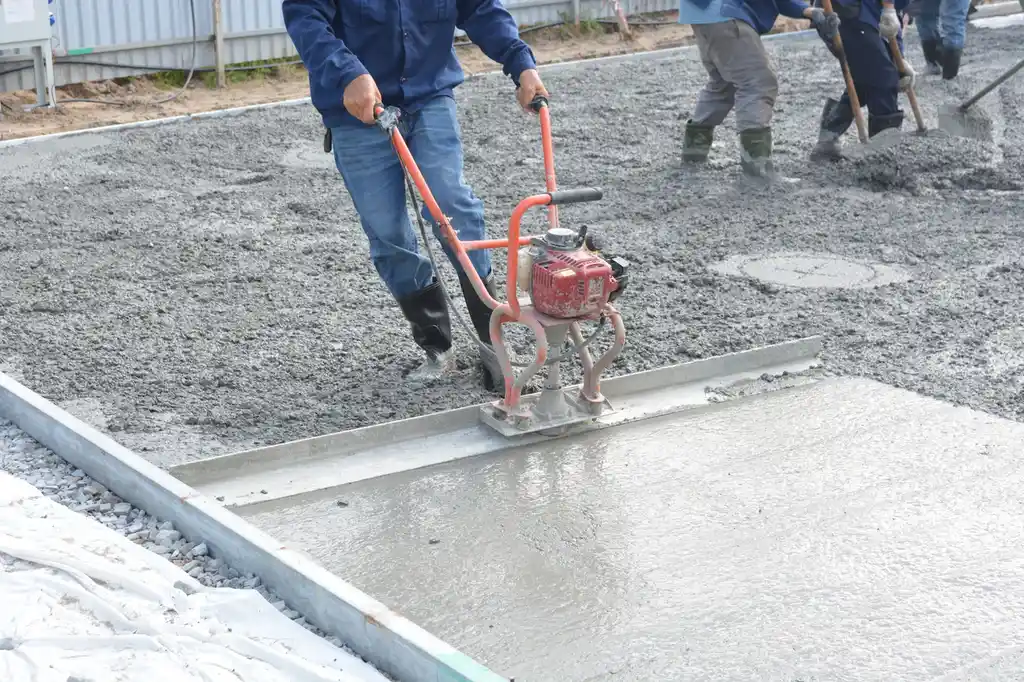
Checks surrounding flooring, baseboards and drywall for hidden saturation that the slab leak has pushed outward.

Cutting, coring and concrete work when detection turns into a same-day repair on an accessible slab.
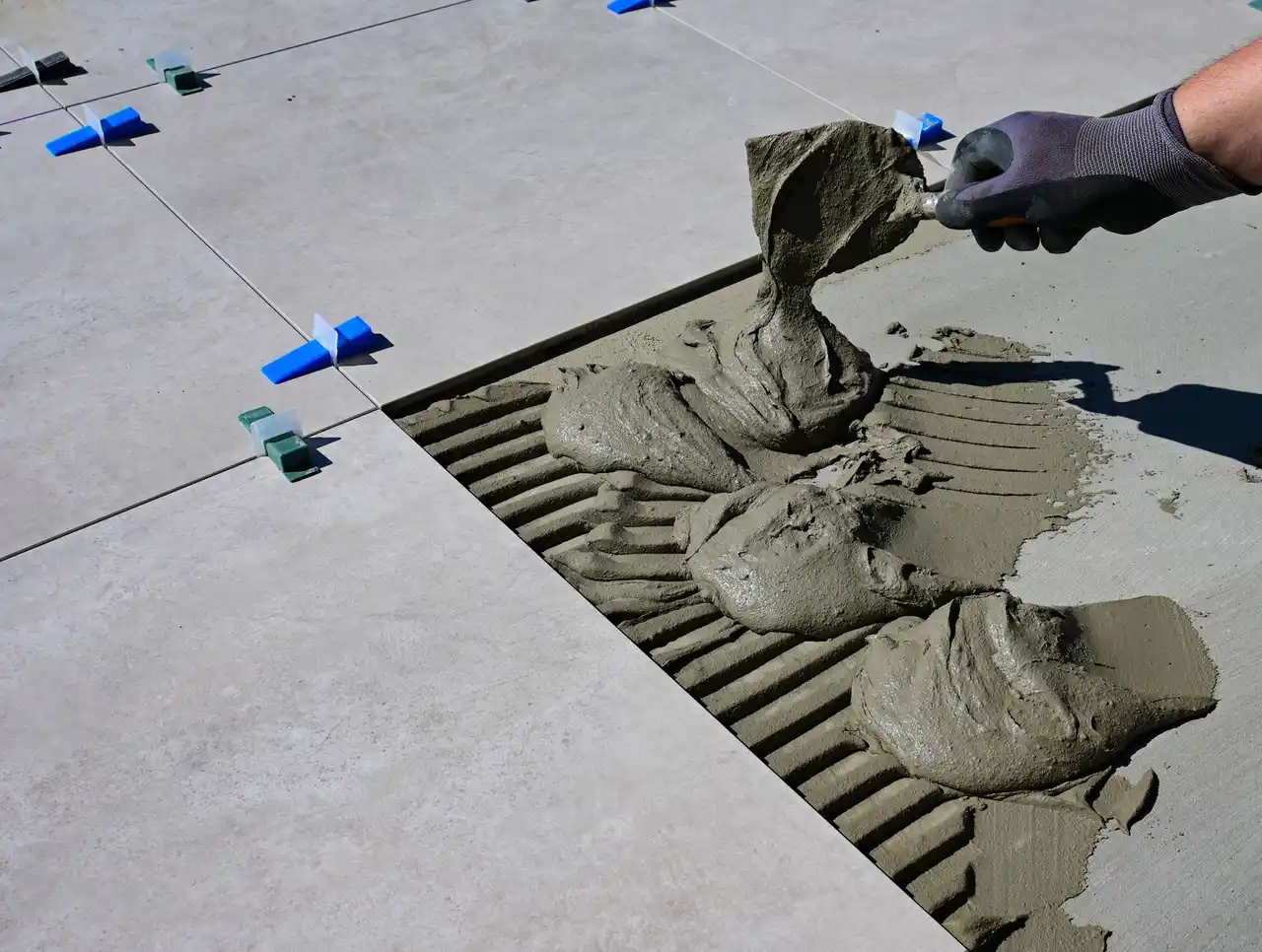
We shut off the hot and cold sides separately and hold each under pressure with the hydrostatic pump. A branch that will not hold tells us where to focus the acoustic scan, which cuts detection time on most Princeton homes to under an hour.
We run the full diagnostic: meter check, branch isolation with the hydrostatic test pump, then acoustic and thermal scanning across the slab. The leak turns out to be a pinhole in a hot-water copper line under the hallway. The leak is marked, the spot repair is priced, and the bill drops back to normal the following month. Concrete opening stays under three square feet.
We complete detection and produce a report with pressure readings, thermal images and the marked location. The findings go straight to the adjuster, and we quote the repair separately. The claim moves forward without a second inspection, and the repair is scheduled around the tenant's move-out date.
We isolate the branches, confirm the cold line is losing pressure, and use acoustic listening plus a pipe locator to find the break under the kitchen slab. The leak is located the same night, the water is shut to that branch, and the repair is completed the next morning with a post-repair pressure test.
Detection maps every suspect run, and pressure testing shows the whole under-slab line is marginal. We price a reroute against another spot repair so the comparison is honest. The owner chooses the reroute, the under-slab line is abandoned, and the new overhead run is pressure tested before the drywall goes back.
Princeton sits on expansive clay soil that swells through our wet springs and shrinks hard in summer, and that cycle is the main reason slabs here move and copper pipe shears. The town has grown fast along Highway 380, so you get 1970s slab-on-grade homes next to subdivisions built in the last decade, and the two fail differently. Older homes tend to have thinned copper and original fittings; newer builds often use PEX tubing with long under-slab runs that can develop a single pinhole. We adjust the scan to the age of the house. Collin County also requires plumbing work to meet current code, which matters when a reroute is on the table. If you are pricing lab leak detection cost Princeton TX Collin County, the diagnostic fee is the same across the county line, and the average slab leak detection cost in Princeton TX stays in the $200 to $350 range for a standard house. Winter cold snaps push more calls than summer, because a freeze can split a line that was already weak.
A Park Trails homeowner had a warm strip in the hallway and a water bill up about $60 a month. Two previous plumbers wanted to open the slab blind, which meant removing tile across the whole hallway.
Detection marked the leak within eighteen inches of the hallway closet. The spot repair opened a two-square-foot section, spliced the copper line, and pressure tested clean. The tile patch was one row.
We recommended watching the first two water bills after the repair. If the usage stays flat, the line is holding and no further work is needed.
A rental unit had a tenant reporting a hot floor and a high bill. The property manager needed documentation for an insurance claim but had no pressure readings or images to submit.
We ran branch isolation and thermal imaging, documented the cold-line leak under the kitchen slab, and delivered a report the same day. The adjuster accepted it without a second inspection.
The manager now schedules a detection check on each unit every two years, which has caught two small leaks before they reached the tenant-report stage.
An older home near downtown Princeton had three slab leaks in four years. Each one had been spot repaired, and the owner was tired of opening the floor every spring.
Detection mapped the remaining under-slab runs and pressure testing showed the whole line was marginal. We rerouted the supply overhead, abandoned the under-slab pipe, and pressure tested the new run before closing the walls.
The new overhead line is accessible, so any future issue is a simple repair instead of a concrete cut. We suggested an annual pressure check to track it.
Most Princeton detection calls start with one of these four symptoms. Each one points to a different part of the plumbing, and each one gets cheaper to fix the earlier we find it.

We isolate the hot and cold branches with a pressure testing gauge and find which side is losing pressure. From there, acoustic and thermal scanning marks the leak on the slab so the repair opens one small area instead of the whole room. A supply-side leak can waste thousands of gallons a month and quietly saturate the soil under your footing, which is how small plumbing bills turn into foundation bills.
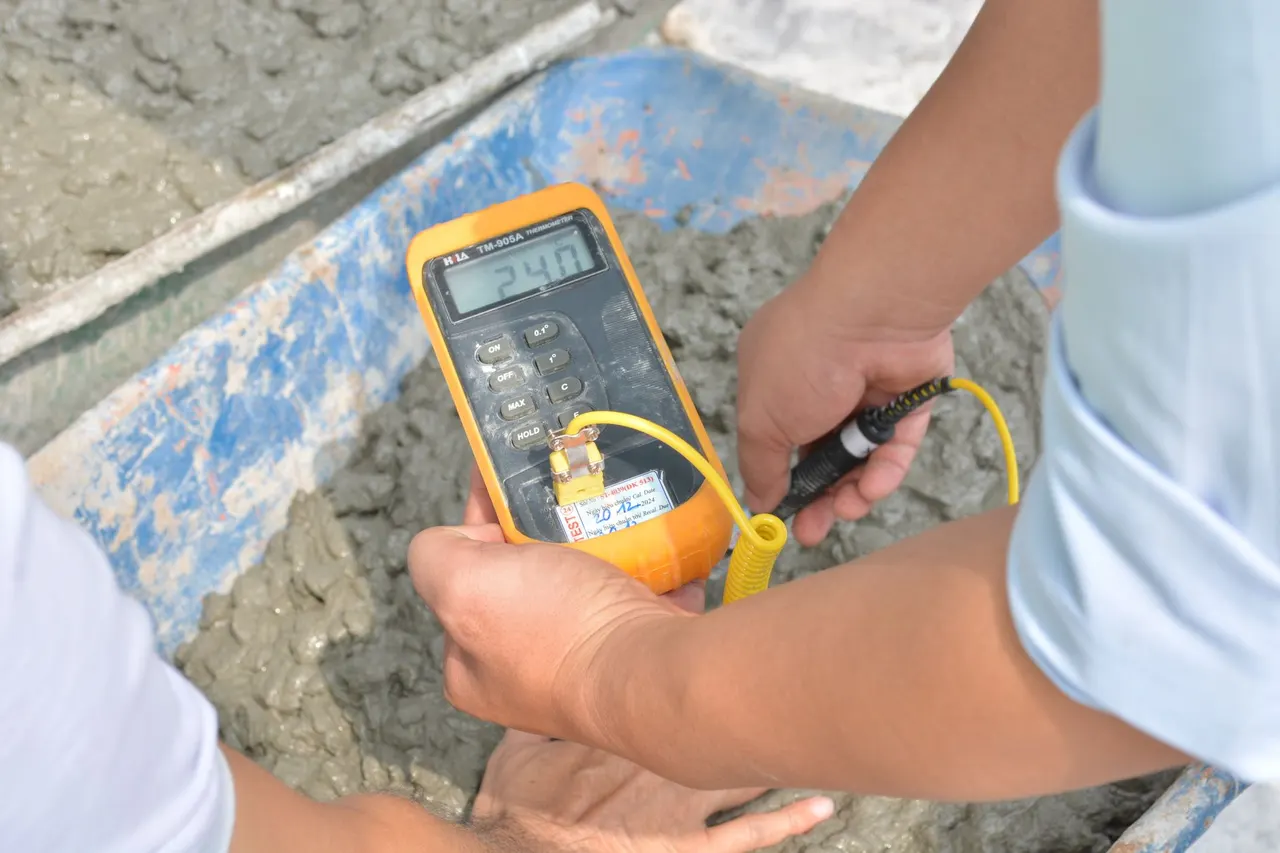
A thermal imaging camera shows the exact path of the hot line and the leak point. We confirm with acoustic listening, then price a spot repair or a reroute depending on how much of the line has failed. A hot-water line leak heats the slab from underneath. Left alone, it erodes the soil, causes uneven settling, and can crack tile or lift laminate across the room.
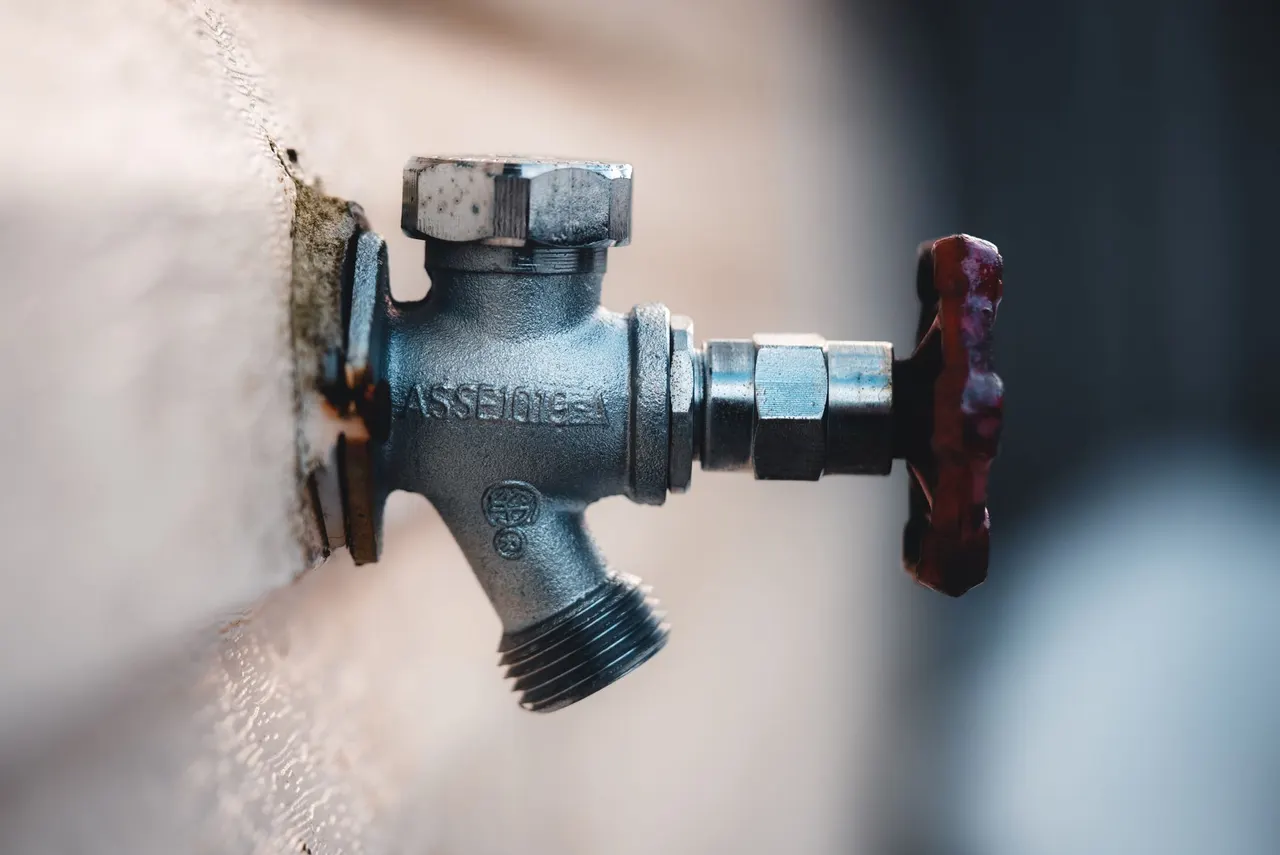
We use acoustic leak detection equipment to hear the leak through the slab and a pipe locator to confirm depth and direction. You get the location marked and the repair priced before any concrete is cut. That hiss is pressurized water escaping a pipe. It usually means the leak is small now and will not stay small, especially on older copper pipe that has already thinned.
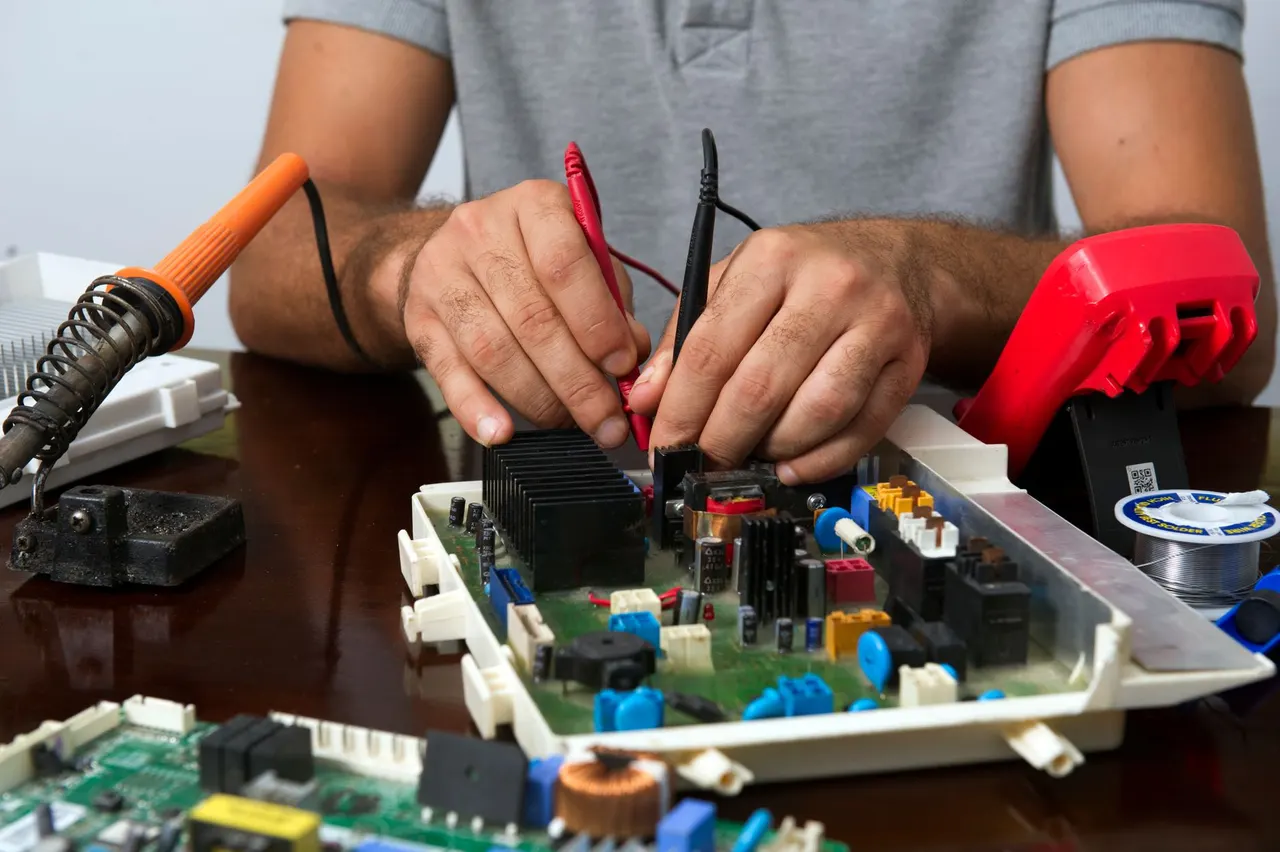
Detection tells us whether plumbing is the cause or just a symptom. If a water line leak is driving the movement, we find it, document it with pressure readings and thermal images, and repair the line so the soil can dry and stabilize. Foundation movement and under-slab leaks feed each other. Water softens the soil, the slab settles, and the crack widens until the plumbing and the structure both need work.
We mark the leak location on your floor with tape before any saw touches concrete. On a typical Princeton job that saves two to four square feet of slab removal, plus the tile or laminate above it. You see the spot, you approve the spot, and the repair crew opens exactly one hole.
A slow under slab leak saturates the soil under your footing and lets the slab settle unevenly. We have measured 1/2 inch of floor drop on a Princeton West Meadows home that started as a $12 per month water bill bump. Finding it early keeps the repair in the plumbing budget instead of the foundation budget.
Our report lists the affected line, the pressure readings before and after isolation, and the thermal images showing the leak path. Adjusters ask for exactly that. Several Princeton homeowners have used our documentation to support a slab leak detection pricing Princeton TX claim without a second inspection.
Detection tells us whether the pipe can be spot repaired, rerouted overhead, or replaced under the slab. Those three paths differ by thousands of dollars. You get the findings and the cost of each route in the same visit, so the decision is yours and it is based on measurements, not a sales pitch.
Clear records you can keep and share.
Leak spot taped on the floor
Before and after psi values
Photos showing the leak path
Detection and repair are two separate steps, and the order matters. Finding the leak first keeps the concrete opening small and the flooring patch simple.
Instruments locate the leak before any saw touches the slab. A marked spot means one small opening instead of a room-wide cut.
We hold each branch under pressure and record the drop. That reading tells us which line failed and confirms the repair holds afterward.
Copper, PEX and CPVC fail in different ways and need different repair methods. We match the fix to the pipe already in your slab.

Outside these areas? Call and ask if we cover your street. +1 345 567 8766
Most Princeton detection visits run $185 to $450, with the typical single-family home landing near $275. That covers meter testing, pressure isolation, an acoustic scan and thermal imaging, plus a written report. Larger homes, multiple suspected lines, or a commercial building push the number toward the top of the range because the scan takes longer.
The average slab leak detection pricing in Princeton, Texas sits between $200 and $350 for a standard slab-on-grade house. You pay more when the leak is faint, when the slab is covered in thick tile or hardwood, or when we have to bring in a video pipe inspection camera to confirm a drain-side leak. The diagnostic fee is credited toward the repair when you hire us for the fix.
Detection itself is usually not covered, but the resulting damage often is. Most Texas homeowner policies pay for the access and the water damage, not the pipe or the diagnostic. Our report includes pressure readings and thermal images, which is the documentation adjusters ask for. We hand you a copy the same day so you can file without waiting on us.
Detection is a paid diagnostic because it takes equipment and two to three hours on site, so we do not run it free. Repair estimates after detection are free and come with the findings. Call with your address and a rough description of the symptom and we will quote the diagnostic fee before we schedule the visit.
Call with your address and the symptom, and we will quote the diagnostic fee before we book. You get the leak location, the pressure readings and the repair price in one visit. Princeton and Collin County, seven days a week.
Call us at +1 345 567 8766 or email info@clearslabsolutions.com. We answer the phone during business hours and return after-hours messages first thing the next morning. Most Princeton jobs get a same-day or next-day arrival window. If you have a water bill in hand, have it ready.